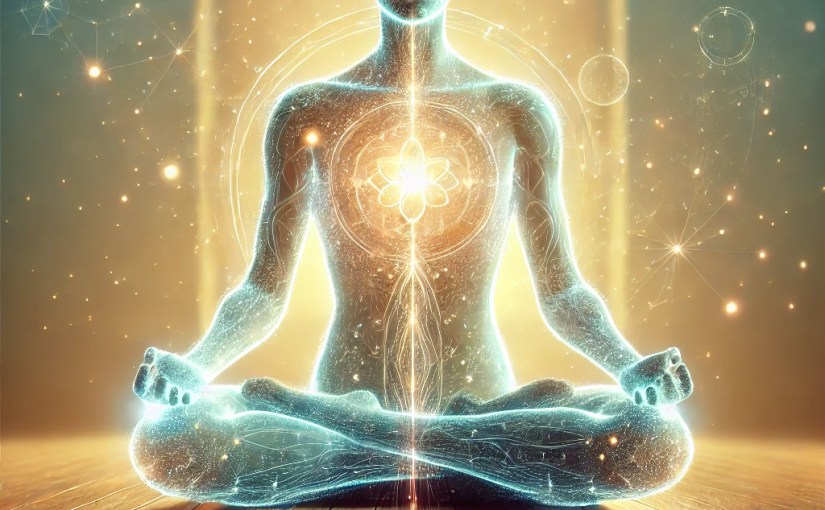
Sharirvigyan Darshan: The Effortless Balance of Awareness in Life and Meditation

For a long time, I have been exploring the interplay between awareness, effort, and balance in my spiritual journey. Over time, something remarkable has emerged—a way of experiencing blissful awareness not as a separate meditation practice but as an integrated part of life itself. This understanding has evolved through my direct experience, not from theory or blind faith.

The Subtle Play of Prana and Apana

In yoga, the mixing of prana and apana is considered fundamental. Prana is expansion, apana is recession. Through Sharirvigyan Darshan—a way of attending to the body while remaining in expanded mental and sensory awareness—this mixing happens naturally. I’ve observed that simply giving momentary attention to the body while being in expanded awareness produces a general balanced bliss. It’s an indescribable state—neither fully expanded nor contracted, yet both and neither at the same time.

This practice has become particularly useful in busy and technical hours, when deep meditation isn’t possible. A brief glimpse at the body while engaged in work is enough to sustain a sense of balance and bliss. It doesn’t require long sittings; just a fraction of a second is enough to feel the shift.

But when I meditate deeper on the body—following the holographic principle of Sharirvigyan Darshan, where everything present in the cosmos at that moment is reflected inside the minuscule body—a sitting meditation effect is produced. The meditation image brightens, awareness turns more interiorized, and the experience deepens naturally. Possibility of setting up keval kumbhak also increases as the breath becomes subtle.

Effort and Habit Formation in Awareness

Many assume that spiritual mastery eventually leads to a state where no effort is required. But I have realized that the mind always has a one-pointed nature, no matter how much brain and experience develop. It always requires effort to shift attention from one point to another. There is no final mastery where effort disappears—rather, the mastery lies in making this shift natural and spontaneous.

However, this effort becomes better tuned with time. It starts blending smoothly into daily activities, forming a habit rather than feeling like a separate practice. Eventually, Sharirvigyan Darshan and meditation stop being distinct from each other—instead they complement and reinforce one another. Meditation enhances awareness in daily life, and life provides a continuous field for effortless meditation.

Detachment Without Ignorance

One of the greatest transformations I have noticed is how emotions no longer stick. Even during stressful situations, awareness eventually settles into balance. Emotional disturbances take longer to dissolve compared to normal thoughts, but they still pass through without leaving residues.

This is not ignorance or suppression, but a blissful and detached acknowledgment. It is as if emotions are fully felt, but they don’t sink their hooks into awareness. They arise, they are seen, and they fade—leaving only clarity and ease behind. This natural detachment also means that mental overprocessing has reduced—there is no longer an endless inner chatter about emotions.

Energy and the Sustainability of Awareness

But this state is not automatic. It requires energy. When energy is high, balance is effortless. When energy is low, fluctuations happen. This makes a healthy and balanced lifestyle crucial. It’s not about rigid rules but living in a way that naturally supports clarity and awareness.

This has simplified my approach to sadhana. There is no longer a need for complex techniques or forced meditation. Awareness flows naturally when the body, breath, and prana are in harmony. Meditation is now an add-on, not a necessity for maintaining awareness. It deepens and refines the experience but is not the foundation—life itself is the practice.

The Shift from “I” to the Meditation Image

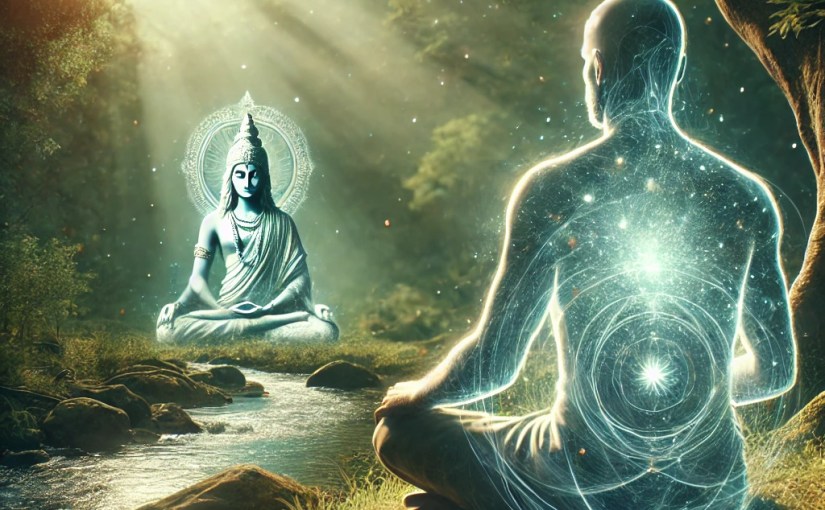
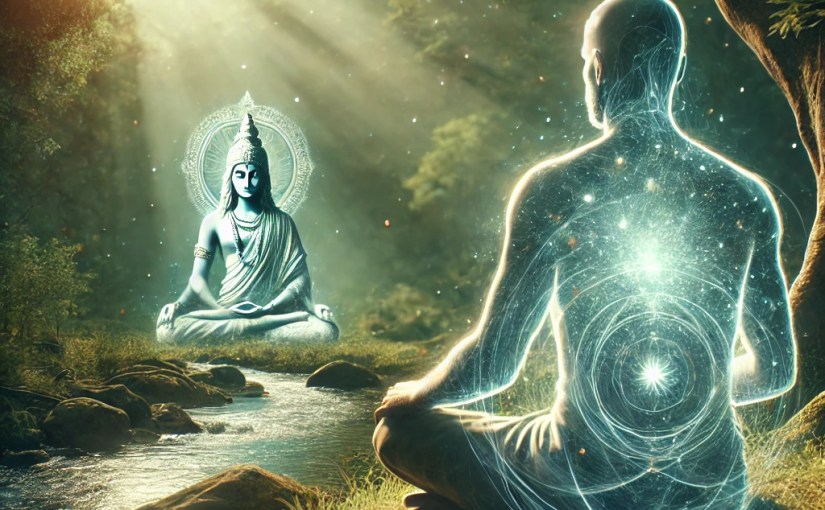
During deeper meditation, something fascinating happens—the “I” dissolves and is replaced by the meditation image of Dada Guru. This is not just visualization; it becomes the living center of awareness. It is as if the ego-based self fades, and consciousness fully absorbs into the Guru Tattva.

This aligns perfectly with Dharana leading into Dhyana—where the meditator, the object of meditation, and the act of meditation become one. The sense of individuality fades, and only the presence of the Guru remains.

What I Have Achieved and What I Seek

I don’t claim to have reached the highest spiritual state. I have not yet experienced Nirvikalpa Samadhi—the ultimate dissolution of self into pure consciousness. However, I have tasted a balanced, blissful awareness that integrates seamlessly into life.

My journey is ongoing. What I have now is clarity—a deep understanding of how effortless awareness can be cultivated through both direct experience and disciplined effort. I do not seek a final escape from the world but rather a sustained state where spiritual awareness remains unshaken within worldly life.

This path is not about grand achievements or mystical displays. It is about living with balance, clarity, and bliss, here and now. And in this journey, Sharirvigyan Darshan has become my key to effortless awareness—both in meditation and in life itself.
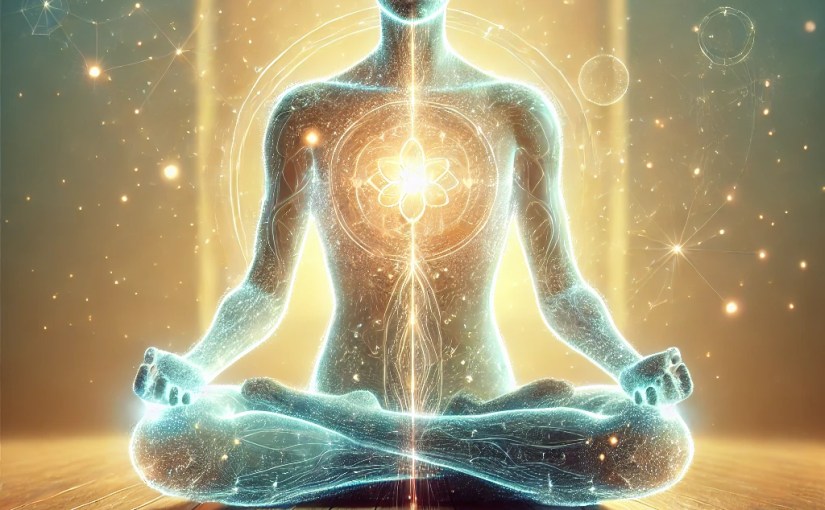
शरीरविज्ञान दर्शन: जीवन और ध्यान में जागरूकता का सहज संतुलन

लंबे समय से, मैं अपनी आध्यात्मिक यात्रा में जागरूकता, प्रयास और संतुलन के बीच के अंतरसंबंध की खोज कर रहा हूँ। समय के साथ, कुछ उल्लेखनीय बात सामने आई है – आनंदमय जागरूकता का अनुभव करने का एक तरीका, एक अलग ध्यान-अभ्यास के रूप में नहीं बल्कि जीवन के एक एकीकृत हिस्से के रूप में। यह समझ मेरे प्रत्यक्ष अनुभव से विकसित हुई है, न कि सिद्धांत या अंधविश्वास से।

प्राण और अपान का सूक्ष्म खेल

योग में, प्राण और अपान के मिश्रण को मौलिक माना जाता है। प्राण विस्तार है, अपान संकुचन है। शरीरविज्ञान दर्शन के माध्यम से – विस्तारित मानसिक और संवेदी जागरूकता में रहते हुए शरीर पर ध्यान देने का एक तरीका – यह मिश्रण स्वाभाविक रूप से होता है। मैंने देखा है कि विस्तारित जागरूकता में रहते हुए शरीर पर बस क्षणिक ध्यान देने से सामान्य और संतुलित आनंद उत्पन्न होता है। यह एक अवर्णनीय स्थिति है – न तो पूरी तरह से विस्तारित और न ही संकुचित, फिर भी दोनों ही और एक ही समय में दोनों ही नहीं।

यह अभ्यास व्यस्त और तकनीकी माहौल में विशेष रूप से उपयोगी हो गया है, जब गहन ध्यान संभव नहीं होता है। काम में लगे हुए शरीर पर एक संक्षिप्त नज़र संतुलन और आनंद की भावना को बनाए रखने के लिए पर्याप्त है। इसके लिए लंबे समय तक बैठने की ज़रूरत नहीं है; बदलाव को महसूस करने के लिए बस एक सेकंड का अंश ही काफी है।

लेकिन जब मैं शरीर पर गहराई से ध्यान करता हूँ – शरीरविज्ञान दर्शन के होलोग्राफ़िक सिद्धांत का पालन करते हुए, जहाँ उस समय ब्रह्मांड में मौजूद हर चीज़ छोटे से शरीर के अंदर प्रतिबिंबित होती है – तो बैठक वाले ध्यान के जैसा प्रभाव पैदा होता है। ध्यान की छवि उज्ज्वल हो जाती है, जागरूकता अधिक आंतरिक हो जाती है, और अनुभव स्वाभाविक रूप से गहरा हो जाता है। इससे जैसे-जैसे सांस सूक्ष्म होती जाती है, केवल कुंभक स्थापित होने की संभावना भी बढ़ जाती है।

जागरूकता में प्रयास और आदत का निर्माण

कई लोग मानते हैं कि आध्यात्मिक महारत अंततः एक ऐसी स्थिति की ओर ले जाती है जहाँ किसी प्रयास की आवश्यकता नहीं होती। लेकिन मैंने महसूस किया है कि मन हमेशा एक-बिंदु वाला होता है, चाहे मस्तिष्क और अनुभव कितना भी विकसित हो जाए। तभी तो कहते हैं कि ऊधो, मन एक न भयो दस बीस। ध्यान को एक बिंदु से दूसरे बिंदु पर स्थानांतरित करने के लिए हमेशा प्रयास की आवश्यकता होती ही है। कोई अंतिम महारत नहीं है जहाँ प्रयास गायब हो जाता है – बल्कि, महारत इस बदलाव को स्वाभाविक और सहज बनाने में निहित है। हालांकि, समय के साथ यह प्रयास बेहतर होता जाता है। यह दैनिक गतिविधियों में आसानी से घुलने-मिलने लगता है, एक अलग अभ्यास की तरह महसूस करने के बजाय एक आदत बन जाता है। आखिरकार, शरीरविज्ञान दर्शन और ध्यान एक दूसरे से अलग होना बंद कर देते हैं – इसके बजाय वे एक दूसरे के पूरक और एक दूसरे से सुदृढ़ होते हैं। ध्यान दैनिक जीवन में जागरूकता को बढ़ाता है, और जीवन सहज ध्यान के लिए एक सतत क्षेत्र प्रदान करता है। पिन पॉइंटेड और गहन जागरूकता को ही ध्यान कहते हैं।

अज्ञानता के बिना अलगाव

मैंने जो सबसे बड़ा परिवर्तन देखा है, वह यह है कि कैसे भावनाएँ अब चिपकती नहीं हैं। तनावपूर्ण स्थितियों के दौरान भी, जागरूकता अंततः संतुलन में आ जाती है। सामान्य विचारों की तुलना में भावनात्मक गड़बड़ी को खत्म होने में अधिक समय लगता है, लेकिन वे गड़बड़ भावनाऐं फिर भी अवशेष छोड़े बिना गुजर जाती हैं।

यह अज्ञानता या दमन नहीं है, बल्कि एक आनंदमय और अलग प्रकार की स्वीकृति है। ऐसा लगता है जैसे भावनाएँ पूरी तरह से महसूस की जाती हैं, लेकिन वे जागरूकता में अपने को हुक नहीं करती हैं। वे उठती हैं, दिखाई देती हैं, और फीकी पड़ जाती हैं – केवल स्पष्टता और सहजता को पीछे छोड़ती हैं। इस प्राकृतिक अलगाव या अनासक्ति का मतलब यह भी है कि मानसिक अतिप्रक्रिया कम हो गई है – भावनाओं के बारे में अब अंतहीन आंतरिक बातचीत नहीं है। 

ऊर्जा और जागरूकता की स्थिरता

लेकिन यह स्थिति स्वचालित नहीं है। इसके लिए ऊर्जा की आवश्यकता होती है। जब ऊर्जा अधिक होती है, तो संतुलन सहज होता है। जब ऊर्जा कम होती है, तो उतार-चढ़ाव होता है। यह एक स्वस्थ और संतुलित जीवनशैली को महत्वपूर्ण बनाता है। यह कठोर नियमों के बारे में नहीं है, बल्कि इस तरह से जीने के बारे में है जो स्वाभाविक रूप से स्पष्टता और जागरूकता का समर्थन करता है।

इसने साधना के प्रति मेरे दृष्टिकोण को सरल बना दिया है। अब जटिल तकनीकों या जबरन ध्यान की आवश्यकता नहीं है। जब शरीर, श्वास और प्राण सामंजस्य में होते हैं, तो जागरूकता स्वाभाविक रूप से प्रवाहित होती है। ध्यान अब एक अतिरिक्त जुगाड़ है, जो जागरूकता नको बनाए रखने के लिए आवश्यक नहीं है। यह अनुभव को गहरा और परिष्कृत करता है, लेकिन यह आधार नहीं है – जीवन ही अभ्यास है।

“मैं” से ध्यान छवि की ओर बदलाव

गहन ध्यान के दौरान, कुछ आकर्षक होता है – “मैं” विलीन हो जाता है और वह दादा गुरु की ध्यान छवि द्वारा प्रतिस्थापित किया जाता है। यह केवल दृश्यावलोकन नहीं है; यह जागरूकता का जीवंत केंद्र बन जाता है। ऐसा लगता है जैसे अहंकार आधारित आत्म फीका पड़ जाता है, और चेतना पूरी तरह से गुरु तत्व में समा जाती है।

यह धारणा से पूरी तरह मेल खाता है जो ध्यान की ओर ले जाता है – जहाँ ध्यान करने वाला, ध्यान का विषय और ध्यान की क्रिया एक हो जाती है। व्यक्तित्व की भावना फीकी पड़ जाती है, और केवल गुरु की उपस्थिति रह जाती है।

मैंने क्या हासिल किया है और मैं क्या चाहता हूँ

मैं उच्चतम आध्यात्मिक अवस्था तक पहुँचने का दावा नहीं करता। मैंने अभी तक निर्विकल्प समाधि का अनुभव नहीं किया है – मतलब स्वयं का शुद्ध चेतना में अंतिम विलय। हालाँकि, मैंने एक संतुलित, आनंदमय जागरूकता का स्वाद चखा है जो जीवन के साथ सहज रूप से एकीकृत या मिश्रित होती है।

मेरी यात्रा जारी है। अब मेरे पास जो है वह स्पष्टता है – प्रत्यक्ष अनुभव और अनुशासित प्रयास, दोनों के माध्यम से सहज जागरूकता कैसे विकसित की जा सकती है, इसकी गहरी समझ। मैं संसार से अंतिम पलायन की तलाश नहीं करता बल्कि एक स्थायी अवस्था की तलाश में रहता हूं जहाँ आध्यात्मिक जागरूकता सांसारिक जीवन में भी अविचलित रहती है।

यह मार्ग भव्य उपलब्धियों या रहस्यमय प्रदर्शनों के बारे में नहीं है। यह यहाँ और अभी संतुलन, स्पष्टता और आनंद के साथ जीने के बारे में है। और इस यात्रा में, शरीरविज्ञान दर्शन मेरे लिए सहज जागरूकता की कुंजी बन गया है – ध्यान और जीवन दोनों में।

केवल कुंभक, योद्धा का मार्ग, और एकीकरण की लड़ाई

लंबे समय से, मैंने निचले चक्रों में सूजन वाला दबाव देखा है, जो संभवतः मेरे प्रोस्टेट और एएसए से जुड़ा हुआ है। मुझे लगता है कि यह मेरे त्वरित केवल कुंभक का मुख्य कारण था जब मैंने रीढ़ की हड्डी के प्रति जागरूकता के साथ गहरी क्रिया श्वास के माध्यम से इसे ऊपर धकेला। यह सिर्फ सांस के ऊपर और नीचे जाने की जागरूकता है जो अंदर की हवा की गति के ठीक विपरीत है। इसीलिए इसे रिवर्स ब्रीदिंग या स्पाइनल ब्रीदिंग या आंतरिक श्वास भी कहा जाता है। मुझे लगता है कि मेरी ऊर्जा निचले चक्रों के पास स्थिर हो रही थी जो क्रिया श्वास के साथ उचित तरीके से सक्रिय और प्रसारित हुई। जब मैंने क्रिया योग में गहरी स्पाइनल ब्रीदिंग शुरू की, तो यह जल्दी से केवल कुंभक में बढ़ गई – एक ऐसी स्थिति जहां सांस स्वाभाविक रूप से बंद हो जाती है। यह बिना किसी जानबूझकर प्रयास के कुछ ही दिनों में हुआ। शक्ति का रीढ़ की हड्डी में ऊपर उठना या मस्तिष्क की तरफ शरीर के निचले हिस्सों की सूजन की अनुभूति का प्रवाह जो अक्सर केवल कुंभक से पहले होता था, काफी आनंददायक था। तांत्रिक योग में वीर्य को रोककर रखने से ही प्रोस्टेट की हल्की सूजन दुबारा हो जाती थी, लेकिन कुछ दिनों तक सामान्य कुंडलिनी योग के माध्यम से उत्थान के माध्यम से यह कम हो जाती थी, क्योंकि उसका आनंद मस्तिष्क तक पहुँच जाता था। ऊर्जा की ऊपर की ओर गति – रीढ़ की हड्डी से ऊपर उठकर मस्तिष्क तक पहुँचना – वही वास्तविक आनंद लाती थी। इसका मतलब है कि यह ऊर्जा निचले चक्रों के पास कच्चे या खराब रूप में व्यक्त हुई थी। लेकिन मस्तिष्क में चढ़ने के बाद, यह सार्थक और आनंदमय ऊर्जा में बदल गई। ध्यान छवि से मदद अतिरिक्त मिलती थी। इसने आनंदमय ऊर्जा को बिखरे हुए अमूर्त विचारों के बजाय सुखद और केंद्रित दृश्य रूप दिया। ये विचार सांसारिक अराजकता में ऊर्जा को चारों ओर फैलाते हैं, बजाय इसके कि एकल ध्यान छवि इसे केंद्रित रखे। एकल बिंदु या ध्यान छवि को अधिकांश आनंद और ऊर्जा मिलने के कारण, यह मुख्य रूप से आज्ञा चक्र से जुड़ने पर बेहतर हुक या कुंडी बन जाती है, ताकि इसके द्वारा केवल कुंभक के  लिए सुषुम्ना के माध्यम से प्राण को खींचा और प्रवाहित किया जा सके। बिखरे हुए और अलग-अलग विचारों के परिणामस्वरूप उनके बीच ऊर्जा विभाजित हो जाती है। यह उन्हें कम अभिव्यक्त या ऊर्जावान बनाता है जो सुषुम्ना के माध्यम से प्राण को ऊपर की ओर पर्याप्त खिंचाव प्रदान नहीं कर सकता है। मैंने विशेष रूप से देखा है कि सांसारिक व्यवसाय के दौरान जब होलोग्राम आधारित शरीरविज्ञान दर्शन के बारे में सोचा जाता है, तो ध्यान की छवि तुरंत मस्तिष्क के बाएं हिस्से में दिखाई देती है। ऐसा इसलिए है क्योंकि सांसारिक व्यवसाय में मस्तिष्क का बायाँ हिस्सा अधिक सक्रिय होता है। फिर आँखों को थोड़ा झपकाने और दोनों आँखों की ओर थोड़ा ध्यान देने पर, यह भौंहों के केंद्र में आज्ञा चक्र पर आ जाता है। इस तरह से यह बाएं इड़ा चैनल से हटाकर केंद्रीय सुषुम्ना चैनल में प्राण प्रवाह को मोड़ने में मदद करता है, कभी-कभी दाईं ओर के पिंगला चैनल की ओर थोड़ा झूलने के बाद। इससे बेहतर अनुभूति मिलती है। हो सकता है कि भगवान कृष्ण के नाम पर श्रावण मास में बड़े पवित्र पेड़ से बंधी झूले की रस्सी पर आध्यात्मिक झूलना भी चैनल में प्राण के झूलने की प्रकृति को दर्शाता है।

पहले, मेरा दृष्टिकोण अधिक गतिशील था, लेकिन अब, मैं रात 9:30 बजे सिद्धासन में, सामान्य श्वास के साथ, प्रत्येक श्वास के साथ मानसिक रूप से सोहम का जाप करते हुए शांत बैठने का अभ्यास पसंद करता हूँ। जब शारीरिक या मानसिक गतिविधि में तनाव लेने की बजाय घटना के प्रति समर्पण करने की जरूरत होती है, और आदमी जब ऐसा करने का प्रयास भी करता है, तो यह समर्पण का भाव स्वतः ही केवल कुंभक की ओर ले जा सकता है। यह एक प्रकार की निष्क्रिय या स्वतः साधना ही है। कूटस्थ पर और रीढ़ की हड्डी में बह रहे सांस पर ध्यान हो, बस हो गया। सांस को अपने आप चलने देना है, न घटाना है, न बढ़ाना है। यही सहज साधना है। सोहम् का मानसिक जाप भी अपने आप बंद हो जाता है। शाम को 6:30 के आसपास हल्का खाना (जैसे मूंग दाल चावल की खिचड़ी) खाने के बावजूद, भोजन के बाद भारीपन महसूस होने के कारण मैंने रात में गहन प्राणायाम से परहेज किया है। मेरा प्राथमिक सत्र सुबह 4:30 बजे दो घंटे का अभ्यास है, जब मेरा पेट पूरी तरह खाली होता है। वहाँ मैं जरूरत और स्थिति के अनुसार लगभग हर प्रकार की यौगिक गतिविधि करने का प्रयास करता हूँ। मुझे इस संबंध में जैन समुदाय का तरीका बहुत स्वस्थ और ध्यानपूर्ण लगा। वे हमेशा सूर्यास्त से पहले अपना भोजन समाप्त कर लेते हैं और उसके बाद कुछ नहीं खाते। यह मेरे जैसे लोगों के लिए विशेष रूप से मददगार है जिन्हें जीईआरडी और संबंधित स्लीप एपनिया की समस्या है। समय के साथ साथ दिन के समय जागरूकता के लिए, मेरा उद्देश्य होलोग्राम आधारित शरीरविज्ञान दर्शन (शरीर-जागरूकता अंतर्दृष्टि) के माध्यम से काफी हद तक पूरा हो गया है, जिसने रीढ़ की हड्डी के प्रति निरंतर जागरूकता की आवश्यकता को हल किया है, हालांकि फिर भी मैं इसके साथ प्रयोग करने के लिए खुला हुआ हूं। दैनिक गतिविधियों के दौरान, शरीरविज्ञान दर्शन एक क्षणिक विराम के रूप में कार्य करता है, जो अतिरिक्त प्रयास के बिना तत्काल ग्राउंडिंग की अनुमति दे देता है। इसका मुख्य लाभ यह है कि यह दो में एक के जैसा पैकेज है, इसका मतलब है कि यह भौतिक ग्राउंडिंग के साथ-साथ ध्यान संबंधी जागरूकता भी प्रदान करता है। त्वरित प्रगति चाहने वालों के लिए केवल भौतिक ग्राउंडिंग पर्याप्त नहीं है। मैं निरंतर जागरूकता को मजबूरन बनाए रखने के बजाय जब भी आवश्यकता होती है, इसे याद करता हूं।

केवल कुंभक और ध्यान पर इसका प्रभाव

प्राचीन हठ योग ग्रंथों में कहा गया है कि लंबे समय तक केवल कुंभक (एक घंटे से अधिक) अलौकिक शक्तियों (सिद्धियों) की ओर ले जा सकता है। मैं लगातार दो घंटे तक इस अवस्था में पहुँच चुका हूँ, फिर भी मैंने इन प्रभावों को नहीं देखा है। संभावित कारण:

ये वास्तविक योग की ओर अधिक से अधिक लोगों को आकर्षित करने के लिए रूपक हो सकते हैं। इस बात पर मैं वर्तमान में सबसे अधिक विश्वास करता हूँ, हालाँकि अन्य व्याख्याएँ भी इसके लिए खुली हैं जैसे – सिद्धियाँ अव्यक्त संस्कारों पर निर्भर करती हैं – यदि वे मेरे भीतर नहीं हैं, तो वे प्रकट नहीं हो सकतीं।

केवल कुम्भक अकेले में पर्याप्त नहीं है – परंपरागत रूप से, सिद्धियाँ तब उत्पन्न होती हैं जब ये उन सिद्धियों से संबंधित तत्त्वों (तत्वों) या देवताओं पर एक-सूत्रीय ध्यानात्मक अवशोषण के साथ संयुक्त होती हैं।

सिद्धियाँ इच्छा के आधार पर उत्पन्न होती हैं – चूँकि मैं उनकी तलाश नहीं करता, वे प्रकट नहीं हो सकतीं।

मेरा मार्ग स्वाभाविक रूप से सिद्धियों को दरकिनार कर देता है – क्रिया और कुंडलिनी योग उन्हें भंग कर देते हैं, क्योंकि ध्यान जागरूकता की उच्चतर अवस्थाओं पर होता है। उस स्तर पर सिद्धियों का अस्तित्व नहीं हो सकता।

सिद्धियों के बजाय, केवल कुम्भक ने मेरी ध्यान छवि को समृद्ध किया क्योंकि मैंने अपनी नियमित ध्यान की आदत के अनुसार इसमें स्थित रहते हुए इस पर ध्यान केंद्रित किया, इस प्रकार इसे स्वयं-अस्तित्व के करीब तक यानी बहुत मजबूत बना दिया – अब इसे बनाए रखने के लिए कम प्रयास की आवश्यकता है। यह अधिक उज्ज्वल, स्थिर और सहज रूप से मौजूद हो गई, लगभग एक दर्पण या एक हथियार की तरह। मैं योद्धा हूँ, और यह छवि इस बोध की लड़ाई में मेरी तलवार या ढाल है। मैंने योग के कई विशेषज्ञों को देखा है जो हर एक योग मुद्रा या आसन को घंटों तक धारण करते हैं और हर एक मुद्रा आदि को को महीनों तक अभ्यास करके उसे पूर्ण करते हैं, फिर भी वे समाधि से और और यहां तक कि केवल कुंभक से भी बहुत दूर हैं। यहाँ तक कि वे विभिन्न मुद्राओं, कुंभकों, षट्कर्म जैसी शुद्धिकरण प्रक्रियाओं आदि में भी विशेषज्ञ हैं। इस संबंध में मूल और सरल क्रिया योग ही बेहतर लगता है क्योंकि यह प्रक्रिया को बहुत तेज़ कर देता है।

आध्यात्मिक युद्ध के मैदान में एक जन्मजात योद्धा

यह योद्धा जैसा स्वभाव मैंने विकसित नहीं किया था – यह जन्मजात था। मेरा मार्ग कभी भी निष्क्रिय आत्मसमर्पण के बारे में नहीं था, बल्कि सक्रिय विजय के बारे में था, विकर्षणों और आंतरिक प्रतिरोध को काटना। यह वास्तविक क्षत्रिय रुख है जैसा कि महान क्षत्रिय ऋषि विश्वामित्र और कई अन्य लोगों ने दिखाया। कई लोग आत्मसाक्षात्कार को कुछ ऐसा मानते हैं जो घटित होता है; मेरे लिए, यह हमेशा कुछ ऐसा रहा है जिसके लिए लड़ना और जीतना पड़ता है।

फिर भी, असली लड़ाई केवल आध्यात्मिक ही नहीं है – इसके साथ एकीकरण की लड़ाई भी है, दुनियादारी और जागृति का एकीकरण। दुनिया और आध्यात्मिकता को कैसे संतुलित किया जाए? यह कोई ऐसी चुनौती नहीं है जो ज्ञानोदय के साथ समाप्त हो जाती है। यह कभी समाप्त नहीं होती।

आध्यात्मिकता शक्ति देती है, लेकिन जीवन दुनिया से जुड़ाव की मांग करता है।

दुनिया बोध को परखती है, उसे लागू करने के लिए मजबूर करती है, न कि केवल उसे अनुभव करने के लिए। अगर बोध तलवार है, तो दुनिया युद्ध का मैदान है जहाँ उसका परीक्षण किया जाता है।

संतुलन कभी भी स्थायी रूप से नहीं बनता है – व्यक्ति को लगातार अनुकूलन करना पड़ता है।

केवल कुंभक, स्वयं-अस्तित्व वाली ध्यान छवि, और मेरे भीतर के योद्धा स्वभाव ने मुझे एक ऐसे व्यक्ति के रूप में आकार दिया है जो दुनिया से पीछे नहीं हटता है, लेकिन खुद को उसमें खो भी नहीं देता है। यह एकीकरण की मेरी लड़ाई है, जिसकी कोई अंतिम रेखा नहीं है, कोई अंतिम विश्राम स्थल नहीं है।

मैं यह दावा नहीं करता कि मैंने सब कुछ हासिल कर लिया है – मैं अभी भी इस मार्ग पर चल रहा हूँ, इसका परीक्षण और परिशोधन कर रहा हूँ। लेकिन मैं इसे स्पष्ट रूप से देखता हूँ: यह एक ऐसी यात्रा नहीं है जो समाप्त हो जाती है, बल्कि एक ऐसी यात्रा है जो समय के साथ विकसित, गहरी और तेज होती जाती है।

यह योद्धा का तरीका है – जीवन का त्याग नहीं करना, उसमें खो जाना नहीं, बल्कि दृढ़ रहना, हाथ में हथियार लेकर, दुनिया और भीतर के अनंत दोनों का सामना करना।

Keval Kumbhak, The Warrior’s Path, and the Battle of Integration

For a long time, I have noticed inflammatory pressure in the lower chakras, possibly linked to my prostate and ASA. I think it was the main reason for my quick keval kumbhak when I pushed it up through deep kriya breathing with spinal awareness. It’s just wareness of breath moving up and down just opposite to air movement inside. That’s why it’s also called reverse breathing or spinal breathing or inner breathing. I think my energy was stagnating near lower chakras that was activated and circulated in proper way with kriya breathing. When I started deep spinal breathing in Kriya Yoga, it quickly escalated into Keval Kumbhak—a state where breathing ceases naturally. This happened within days, without deliberate effort. The spinal ascending of shakti or inflammatory sensation of lower parts to brain that often preceded with keval kumbhak was quite blissful. That low grade prostate inflammation was reoccurring only with seminal withholding in Tantric Yoga, but diminishing with a few days of ordinary Kundalini Yoga through uprising, as the bliss reached the brain.

The upward movement of energy—rising through the spine and reaching the brain—was what brought the real bliss. It means this energy was in raw or poorly expressed form near lower chakras. But after ascending to brain, it was transformed into meaningful and blissful energy. Help from meditation image was additional. It gave blissful energy the pleasant visual appearance rather than dispersed abstract thoughts. These thoughts disperse energy all around in the worldly chaos instead single meditation image keep it focused. Due to single pinpoint meditation image getting most of the bliss and energy, it becomes better anchor mainly when hooked to agya chakra to pull and flow prana through sushumna to cause keval kumbhak. Dispersed and varying thoghts results in energy devided between them. This makes them less expressed or energetic that can’t provide enough pull to prana upwads through sushumna.

What I specifically seen is that during worldly business moods when hologram based sharirvigyan darshan is just thought of, the meditation image immediately appears in left side of brain. It’s because in worldly business left side of brain is more active. Then while little blinking the eyes and giving little attention towards both eyes, it tends to come to agya chakra at eyebrows centre. In that way it seems helping bend prana flow from left ida channel to central sushumna channel occassionally after little swinging towards right side pingla channel. This results in better feeling. May be spiritual swinging on a swing rope tied to big holy tree in shrawan month in the name of Lord krishna also denotes the swinging nature of prana in  channel.

Formerly, my approach was more dynamic, but now, I prefer a calm sitting practice at 9:30 PM, in Siddhasana, with normal breathing, mentally chanting Soham with each breath. It can lead to keval kumbhak automatically when one needs to surrender to event rather stressing in physical or mental activity. Mental chanting of soham even stopped itself. I have avoided deep pranayama at night due to feeling heavy after meals, despite eating lightly (like moong dal rice khichari) around 6:30 PM. My primary session remains a two-hour morning practice at 4:30 AM, when my belly is fully empty. There I attempt almost every type of yogic activity as per need and situation. I found way of Jainism community very healthy and meditational in this regard. They always finish their dinner before sunset and thereafter nothing eat. This is particularly helpful for people like me with issues of gerd and related sleep apnea.

Over time, I have been reducing daily spiritual activities while engaged in world in day time, instead gradually withdrawing into deeper spiritual focus during sadhna. For day time awareness, my purpose has been largely fulfilled through hologram based Sharirvigyan Darshan (body-awareness insight), which has resolved the need for constant spinal awareness, though I remain open to experimenting with it. During daily activities, Sharirvigyan Darshan serves as a momentary pause, allowing instant grounding without extra effort. It’s main advantage is that it’s two in one, means it also provides meditative awareness along with physical grounding. Only physical grounding isn’t enough for quick progress seekers. I recall it whenever needed rather than forcing continuous awareness.

Keval Kumbhak and Its Effects on Meditation

Ancient Hatha Yoga texts state that prolonged Keval Kumbhak (more than an hour) can lead to supernatural powers (siddhis). I have reached this state for two hours continuously, yet I have not observed these effects. Possible reasons:

These may be allegoric to attract more and more people towards real yoga. This thing I believe most at present although open to other explanations too like –

Siddhis depend on latent samskaras—if they are not within my tendencies, they may not manifest.

Keval Kumbhak alone is not enough—traditionally, siddhis arise when combined with one-pointed meditative absorption on tattvas (elements) or deities related to those siddhis.

Siddhis arise based on desire—since I do not seek them, they may not appear.

My path naturally bypasses siddhis—Kriya and Kundalini Yoga tend to dissolve them, as the focus is on higher states of awareness.

Instead of siddhis, Keval Kumbhak enriched my meditation image as l concentrated on it while situated in it as per my regular meditation habit, thus making it too strong near to self-existing—no longer requiring effort to sustain. It became more vivid, stable, and effortlessly present, almost like a mirror or a weapon. I am the warrior, and the image is my sword or shield in this battle for realization. I have seen many experts of yoga who even hold every single yoga pose for hours and have practiced each single pose for months to perfect it yet they are far away from samadhi and even Keval kumbhak. Even they are experts in different mudras, kumbhakas, cleansing processes like shatkarmas etc. In this regard original simple kriya yoga seems better as it quickens the process so much.

An Inborn Warrior in the Spiritual Battlefield

This warrior-like nature was not something I developed—it was inborn. My path was never about passive surrender but about active conquest, cutting through distractions and inner resistance. It’s real kshatriya stand just as great kshatriya sage Vishwamitra and many others shown. Many take realization as something that happens; for me, it has always been something that must be fought for and won.

Yet, the true battle is not just spiritual—it is integration. How to balance the world and spirituality? This is not a challenge that ends with enlightenment. It never ends.

Spirituality gives power, but life demands engagement.

The world tests realization, forcing it to be applied, not just experienced. If realization is the sword, the world is the battlefield where it’s tested.

The balance never settles permanently—one must adapt continuously.

Keval Kumbhak, the self-existing meditation image, and my inner warrior nature have shaped me into someone who does not retreat from the world but also does not lose himself in it. This is my battle of integration, one that has no finish line, no final resting place.

I do not claim to have achieved everything—I still navigate this path, testing and refining it. But I see it clearly: it is not a journey that ends, but one that evolves, deepens, and sharpens over time.

This is the warrior’s way—not renouncing life, not getting lost in it, but standing firm, weapon in hand, facing both the world and the infinite within.

Balancing Meditative Awareness in Worldly Life: A Natural Spiritual Evolution

Spiritual progress is not about withdrawing completely or being fully immersed in the world—it’s about maintaining a subtle connection to meditative awareness in all states. My journey has shown me that true awareness is not just attention but meditative attention—always centered, even faintly, on the meditation image.

At first, I needed active effort to keep this awareness intact, especially in worldly activities. Without it, energy would disperse into countless distractions. But I discovered a simple and effective method—Sharirvigyan Darshan (hologram based awareness of the body’s inner sensations). By intermittently engaging with it, I could prevent unlimited dispersion of energy while still living a full life. Over time, this practice evolved, requiring less effort but delivering the same effect.

However, I also realized that grounding alone is not enough. If done without awareness, it just leads to unconscious engagement with the world. The key is awareness with a meditative anchor—ensuring that the meditation image, even if dim, never fully disappears.

Shifts in Awareness and Meditation Image

As my practice refined, I noticed the meditation image remained the same, but its clarity and intensity fluctuated. During deep meditation, it became bright and sharp, while in worldly distractions, it dimmed. Instead of forcing control, I learned that balance is more effective than strain. Too much effort creates stress, while a gentle, self-correcting awareness keeps everything aligned naturally.

External factors like a less stressful environment help maintain this balance, but they don’t define it. Ultimately, regulation comes from within. When fluctuations occur, I draw awareness back using Sharirvigyan Darshan, preventing unnecessary drift without forcing anything.

Drifting Toward Nirvikalpa Samadhi

Now, I find myself passively drifting toward Nirvikalpa Samadhi. The process is no longer about effort; it unfolds naturally. Sharirvigyan Darshan is still needed at times, but far less than before. External influences can slow down the drift, but they don’t disrupt the direction. I handle these slowdowns without struggle, keeping awareness steady.

I have not yet reached a fully irreversible state, but I sense that stabilization is happening. My experience shows that spiritual development is like nature itself—constantly evolving without force. There are no fixed milestones, only a continuous unfolding.

The Essence of My Journey

Meditative awareness aka pin pointed awareness is the only real awareness—everything else is dispersion. Awareness can be of unlimited types like unlimited number of objects and processes like gross awareness, subtle awareness, environmental awareness, social awareness, shunya awareness or Brahm or void awareness etc. But I think meditative awareness with help of meditation image is the best or real. This is so because it’s almost impossible to dissolve all worldly thoughts together or one by one into infinity. But it’s quite easy to unite Meditation image or pin pointed awareness with or dissolve into infinity with advanced contemplation. As the meditation image is already connected to everything of one’s life, due to this everything is united together with Brahman infinity means awakening glimpse happens. 

Effort at the start is necessary, but over time, awareness refines itself, needing less intervention.

Fluctuations happen, but balance prevents regression.

Nirvikalpa Samadhi is approaching passively, not by force, but by allowing the process to unfold naturally.

I don’t claim to have achieved everything, but I see the direction clearly. The journey is effortless now, yet always evolving. Development is everywhere in nature, and so it is in my path.

सांसारिक जीवन में ध्यानात्मक जागरूकता को संतुलित करना: एक प्राकृतिक आध्यात्मिक विकास

आध्यात्मिक प्रगति का मतलब पूरी तरह से पीछे हट जाना या पूरी तरह से दुनिया में डूब जाना नहीं है – यह सभी अवस्थाओं में ध्यानात्मक जागरूकता के साथ एक सूक्ष्म संबंध बनाए रखने के बारे में है। मेरी यात्रा ने मुझे दिखाया है कि सच्ची जागरूकता केवल ध्यान नहीं बल्कि ध्यानात्मक जागरूकता है – हमेशा ध्यान की छवि पर केंद्रित, भले ही थोड़ा-बहुत।

पहले, मुझे इस जागरूकता को बरकरार रखने के लिए सक्रिय प्रयास की आवश्यकता थी, खासकर सांसारिक गतिविधियों में। इसके बिना, ऊर्जा अनगिनत विकर्षणों में बिखर जाती थी। लेकिन मैंने एक सरल और प्रभावी विधि खोजी- शरीरविज्ञान दर्शन (होलोग्राफिक सिद्धांतानुसार शरीर की आंतरिक संवेदनाओं के बारे में जागरूकता)। इसके साथ रुक-रुक कर जुड़ने से, मैं पूर्ण जीवन जीते हुए भी ऊर्जा के असीमित और असंतुलित फैलाव को रोक सकता था। शरीर सीमित होने से उस पागलों जैसे फैलाव पर ब्रेक जैसी लगाता था। समय के साथ, यह अभ्यास विकसित हुआ, जिसमें कम प्रयास की आवश्यकता थी लेकिन वही प्रभाव मिला।

हालांकि, मुझे यह भी एहसास हुआ कि केवल ग्राउंडिंग ही पर्याप्त नहीं है। अगर यह जागरूकता के बिना किया जाता है, तो यह दुनिया के साथ अचेतन जुड़ाव की ओर ले जाता है। ध्यान के आलंबन के साथ जागरूकता जोड़ना ही कुंजी है – यह सुनिश्चित करना कि ध्यान की छवि, भले ही धुंधली हो, कभी भी पूरी तरह से गायब न हो।

जागरूकता और ध्यान की छवि में बदलाव

जैसे-जैसे मेरा अभ्यास परिष्कृत होता गया, मैंने देखा कि ध्यान की छवि वही रही, लेकिन इसकी स्पष्टता और तीव्रता में उतार-चढ़ाव होता रहा। गहरे ध्यान के दौरान, यह उज्ज्वल और तीक्ष्ण हो गई, जबकि सांसारिक विकर्षणों में, यह मंद हो गई। नियंत्रण को जबरदस्ती लागू करने के बजाय, मैंने सीखा कि तनाव की तुलना में संतुलन अधिक प्रभावी है। बहुत अधिक प्रयास तनाव पैदा करता है, जबकि एक सौम्य, आत्म-सुधार करने वाली जागरूकता सब कुछ स्वाभाविक रूप से संरेखित रखती है।

कम तनावपूर्ण वातावरण जैसे बाहरी कारक इस संतुलन को बनाए रखने में मदद करते हैं, लेकिन वे इसे परिभाषित नहीं करते हैं। अंततः, विनियमन तो भीतर से आता है। जब उतार-चढ़ाव होते हैं, तो मैं शरीरविज्ञान दर्शन का उपयोग करके जागरूकता को वापस खींचता हूं, मतलब बिना किसी चीज को मजबूर किए अनावश्यक बहाव को रोकता हूं।

निर्विकल्प समाधि की ओर बहना

अब, मैं खुद को निष्क्रिय रूप से निर्विकल्प समाधि की ओर बहता हुआ पाता हूं। प्रक्रिया अब प्रयास के बारे में नहीं है; यह स्वाभाविक रूप से सामने आती है। शरीरविज्ञान दर्शन की अभी भी कभी-कभी आवश्यकता होती है, लेकिन पहले की तुलना में बहुत कम। कम का मतलब यह नहीं कि इसे कम कर दिया बल्कि यह कि अब शरीर के बारे में गहरे चिंतन की बजाय इस पर एक क्षणिक नजर डालना ही काफी है। बाहरी प्रभाव बहाव को धीमा कर सकते हैं, लेकिन वे दिशा को बाधित नहीं करते हैं। मैं बिना संघर्ष के इस मंदी को संभालता हूँ, जागरूकता को स्थिर रखता हूँ।

मैं अभी तक पूरी तरह से अपरिवर्तनीय स्थिति में नहीं पहुँचा हूँ, लेकिन मुझे लगता है कि स्थिरता हो रही है। मेरा अनुभव बताता है कि आध्यात्मिक विकास प्रकृति की तरह ही है – बिना किसी बल के लगातार विकसित हो रहा है। कोई निश्चित मील के पत्थर नहीं हैं, केवल एक निरंतर प्रकटीकरण है।

मेरी यात्रा का सार

ध्यानात्मक जागरूकता उर्फ ​​पिन पॉइंटेड जागरूकता ही एकमात्र वास्तविक जागरूकता है – बाकी सब फैलाव है। जागरूकता असीमित प्रकार की हो सकती है जैसे असीमित संख्या में वस्तुएँ और प्रक्रियाएँ हैं, जैसे स्थूल जागरूकता, सूक्ष्म जागरूकता, पर्यावरण जागरूकता, सामाजिक जागरूकता, शून्य जागरूकता या ब्रह्म या फलां जागरूकता आदि। लेकिन मुझे लगता है कि ध्यान छवि की मदद से ध्यानात्मक जागरूकता सबसे अच्छी या वास्तविक होती है। ऐसा इसलिए है क्योंकि सभी सांसारिक विचारों को एक साथ या एक-एक करके अनंत में विलीन करना लगभग असंभव है। लेकिन उन्नत चिंतन के साथ ध्यान छवि या पिन पॉइंटेड जागरूकता को अनंत से जोड़ना या अनंत में विलीन करना काफी आसान है। चूंकि ध्यान की छवि पहले से ही व्यक्ति के जीवन की हर चीज से जुड़ी हुई होती है, इसलिए इसके ब्रह्म से जुड़ने से सब कुछ ब्रह्म या अनंत के साथ एक हो जाता है, यानी जागृति की झलक मिलती है।

शुरुआत में प्रयास जरूरी है, लेकिन समय के साथ जागरूकता खुद को निखारती है, कम हस्तक्षेप की जरूरत होती है।

उतार-चढ़ाव होते हैं, लेकिन संतुलन प्रतिगमन को रोकता है।

निर्विकल्प समाधि निष्क्रिय रूप से, अर्थात बलपूर्वक नहीं, बल्कि प्रक्रिया को स्वाभाविक रूप से प्रकट होने देने की अनुमति देकर होती है।

मैं सब कुछ हासिल करने का दावा नहीं करता, लेकिन मैं दिशा को स्पष्ट रूप से देखता हूं। यात्रा अब सहज है, फिर भी हमेशा विकसित हो रही है। प्रकृति में हर जगह विकास है, और इसलिए यह मेरे रास्ते में भी है।

The Natural Path of Meditation: From Image to Ultimate Awakening

In my meditation journey, I have always felt that prana and breath regulate themselves when meditation is deep enough. I have noticed moments during worldly activities where a slight attention to Sharirvigyan Darshan (body-science observation through holographic principle) triggers a spontaneous shift—first a gasp of breath, followed by slower, deeper, and more regular breaths. When this happens, prana seems to move naturally to the brain chakras, where a stable meditation image emerges, accompanied by relaxation and bliss.

However, when I applied the same method during more intense, struggling work, the breath still became regular, but this time faster and shallower. Instead of reaching the highest chakras, it seemed to pour prana somewhere between Vishuddhi and Anahata chakras. This is also because I was working with my arms and the arms get prana from this location. The meditation image was still present but less blissful and positioned at a lower level, while relaxation was also lesser.

From this experience, I realized that prana flows naturally to the chakras most engaged in a given moment. Breath and prana are self-controlling when meditation is the guide. This meditation-led prana regulation is much more satisfying than the reverse approach, where forced breath is used to induce meditation. Forceful breath control feels like filling a vessel from the outside, giving temporary energy but not necessarily leading to deep, inner pranic movement.

I have always preferred the meditation-to-prana approach over the prana-to-meditation approach. However, I have explored various styles, understanding that every technique can serve a purpose. Meditation itself is independent, just like human beings—it does not like to be forced. The meditation image, when allowed to arise naturally, thrives and stabilizes over time. Forcing it too soon is like forcing a plant to grow faster—it may not take deep roots.

This realization led me to believe that in the beginning, meditation should be allowed to stabilize naturally through worldly meditation like Sharirvigyan Darshan. After years of nurturing this process, a time may come when the meditation image can be forcefully awakened through deep and structured Tantric meditation. The foundation must be firm before intensifying the practice.

I have also wondered whether everyone develops a single meditation image. Some may, but they might hesitate to share it. Others may not yet have a fixed image due to an unstable pranic flow, intellectual doubts, or lack of deep absorption. Even those with a stable image may sometimes wander unguided, unable to hold on to it in daily life. This wandering can happen due to weak fixation, scattered prana, overanalysis, or inconsistency in sadhana.

To stabilize the meditation image, one must develop deep trust, allow effortless absorption, and maintain consistent practice. Over time, as prana refines itself, the image becomes clearer, stronger, and more magnetic.

I firmly believe that the road to the ultimate goal always passes through a single meditation image. Regardless of the spiritual path—whether Bhakti, Jnana, Tantra, or mindfulness—a single-pointed focus is necessary to dissolve into deeper states. Without it, the mind scatters and struggles to enter deep meditation.

While I have not yet achieved the ultimate realization, I have observed these natural movements in my practice. My belief is not based on theory but on direct experience. I am still exploring and refining my approach, ensuring that my meditation becomes self-sustaining and deeper over time.

In the end, meditation is not something to be forced; it is something to be nurtured. When we let it unfold naturally, it leads the way—breath and prana follow effortlessly, and the journey becomes self-directed, blissful, and deeply fulfilling.

ध्यान का प्राकृतिक मार्ग: मानसिक छवि से परम जागृति तक

ध्यान का प्राकृतिक मार्ग: मानसिक छवि से परम जागृति तक

अपनी ध्यान यात्रा में, मैंने हमेशा महसूस किया है कि जब ध्यान काफी गहरा होता है तो प्राण और सांस खुद अपने को नियंत्रित करते हैं। मैंने सांसारिक गतिविधियों के दौरान ऐसे क्षण देखे हैं जब शरीरविज्ञान दर्शन (होलोग्राफिक सिद्धांतानुसार शरीर-विज्ञान अवलोकन) पर थोड़ा ध्यान देने से एक सहज बदलाव शुरु हो जाता है – पहले एक सांस फूलना, उसके बाद धीमी, गहरी और अधिक नियमित सांसों का सिलसिला। जब ऐसा होता है, तो प्राण स्वाभाविक रूप से मस्तिष्क के चक्रों की ओर बढ़ता हुआ प्रतीत होता है, जहाँ एक स्थिर ध्यान छवि उभरती है, जिसके साथ विश्राम और आनंद भी होता है।

हालाँकि, जब मैंने अधिक गहन, संघर्षपूर्ण कार्य के दौरान उसी विधि को लागू किया, तो सांस फिर भी नियमित हो गई, लेकिन इस बार तेज़ और उथली थी। उच्चतम चक्रों तक पहुँचने के बजाय, यह विशुद्धि और अनाहत चक्रों के बीच कहीं प्राण को प्रवाहित करती हुई प्रतीत हुई। यह इसलिए भी क्योंकि मैं अपनी बाजुओं से काम कर रहा था और बाजुओं को इसी लोकेशन से ऊर्जा जाती है। ध्यान छवि अभी भी मौजूद थी, लेकिन कम आनंदमय थी और निचले स्तर पर स्थित थी, और साथ में विश्राम भी कम महसूस हो रहा था।

इस अनुभव से, मुझे एहसास हुआ कि स्वाभाविक रूप से प्राण किसी विशेष व्यावहारिक क्षण में उस व्यवहार के अनुरूप सबसे अधिक व्यस्त चक्रों की ओर प्रवाहित होता है। जब ध्यान मार्गदर्शक होता है तो सांस और प्राण स्व-नियंत्रित होते हैं। ध्यान-आधारित प्राण विनियमन उस विपरीत दृष्टिकोण वाले तरीके की तुलना में बहुत अधिक संतोषजनक है, जिस तरीके में ध्यान को प्रेरित करने के लिए जबरदस्ती सांस का उपयोग किया जाता है। जबरदस्ती सांस नियंत्रण एक बर्तन को बाहर से भरने जैसा लगता है, जो अस्थायी ऊर्जा देता है लेकिन जरूरी नहीं कि यह गहरी, आंतरिक प्राणिक गति की ओर ले जाए।

मैंने हमेशा प्राण-से-ध्यान दृष्टिकोण की तुलना में ध्यान-से-प्राण दृष्टिकोण को प्राथमिकता दी है। हालाँकि, मैंने विभिन्न शैलियों को अपनाया है, यह समझते हुए कि प्रत्येक तकनीक एक उद्देश्य की पूर्ति कर सकती है। ध्यान स्वयं स्वतंत्र है, ठीक वैसे ही जैसे मनुष्य – इसे अपने साथ जोर जबरदस्ती ज्यादा पसंद नहीं है। ध्यान की छवि, जब स्वाभाविक रूप से उभरने दी जाती है, तो समय के साथ पनपती और स्थिर होती है। इसे बहुत जल्दी बढ़ने के लिए मजबूर करना एक पौधे को तेजी से बढ़ने के लिए मजबूर करने जैसा है – हो सकता है कि यह गहरी जड़ें न जमा पाए।

इस अहसास ने मुझे यह विश्वास दिलाया कि शुरुआत में, शरीरविज्ञान दर्शन जैसे सांसारिक ध्यान के माध्यम से ध्यान को स्वाभाविक रूप से स्थिर होने दिया जाना चाहिए। इस प्रक्रिया को पोषित करने के वर्षों के निरंतर प्रयास के बाद, एक समय आ सकता है जब ध्यान की छवि को गहन और संरचित तांत्रिक और कुंडलिनी योग ध्यान के माध्यम से जबरदस्ती जागृत किया जा सकता है। अभ्यास को तीव्र करने से पहले नींव मजबूत होनी चाहिए।

मैंने यह भी सोचा है कि क्या हर कोई एक अकेली ध्यान छवि को विकसित करता है? कुछ लोग कर सकते हैं, लेकिन वे इसे साझा करने में संकोच कर सकते हैं। अस्थिर प्राणिक प्रवाह, बौद्धिक संदेह या गहन अवशोषण की कमी के कारण अन्य लोगों के पास अभी तक एक निश्चित छवि नहीं हो सकती है। स्थिर छवि वाले लोग भी कभी-कभी बिना मार्गदर्शन के भटक सकते हैं, और दैनिक जीवन में इसे बनाए रखने में असमर्थ हो सकते हैं। यह भटकाव कमजोर निर्धारण, बिखरे हुए प्राण, अतिविश्लेषण अर्थात अभ्यास की कमी या साधना में असंगति के कारण हो सकता है।

ध्यान छवि को स्थिर करने के लिए, व्यक्ति को उस पर गहरा विश्वास विकसित करना चाहिए, उसे सहज अवशोषण की अनुमति देनी चाहिए और लगातार अभ्यास बनाए रखना चाहिए। समय के साथ, जैसे-जैसे प्राण खुद को परिष्कृत करता है, छवि स्पष्ट, मजबूत और अधिक चुंबकीय होती जाती है।

मेरा दृढ़ विश्वास है कि अंतिम लक्ष्य तक पहुँचने का मार्ग हमेशा एक अकेली ध्यान छवि से होकर गुजरता है। आध्यात्मिक मार्ग चाहे जो भी हो – चाहे भक्ति, ज्ञान, तंत्र, या माइंडफुलनेस – गहरी अवस्थाओं में विलीन होने के लिए एक-बिंदु वाला ध्यान आवश्यक है। इसके बिना, मन बिखर जाता है और गहन ध्यान में प्रवेश करने के लिए संघर्ष करता है।

हालाँकि मुझे अभी तक परम अनुभूति नहीं हुई है, लेकिन मैंने अपने अभ्यास में इन प्राकृतिक गतिविधियों को देखा है। मेरा विश्वास सिद्धांत पर आधारित नहीं है, बल्कि प्रत्यक्ष अनुभव पर आधारित है। मैं अभी भी अपने दृष्टिकोण की खोज और इसका परिशोधन कर रहा हूँ, यह सुनिश्चित करते हुए कि मेरा ध्यान समय के साथ आत्मनिर्भर और गहरा होता जाए।

अंत में, ध्यान कोई ऐसी चीज़ नहीं है जिसे ज़बरदस्ती किया जाए; यह ऐसी चीज़ है जिसे पोषित किया जाना चाहिए। जब ​​हम इसे स्वाभाविक रूप से प्रकट होने देते हैं, तो यह मार्ग प्रशस्त करता है – साँस और प्राण सहजता से उसका अनुसरण करते हैं, और यात्रा स्व-निर्देशित, आनंदमय और गहराई से संतुष्टिदायक बन जाती है।

Kundalini: The Natural Unfolding of Awareness through Karma

Spiritual awakening is not a rigid path but an organic unfolding—one that refines itself through direct experience rather than structured effort. My journey has taken me through deep states of awareness, yet I remain grounded, flowing with nature rather than chasing an ultimate destination. Nirvikalpa Samadhi remains beyond my understanding, something I have not yet experienced, but I sense a subtle pull toward it. There is no restless seeking, only an openness to its possibility.

Kundalini: From Constriction to Expansion

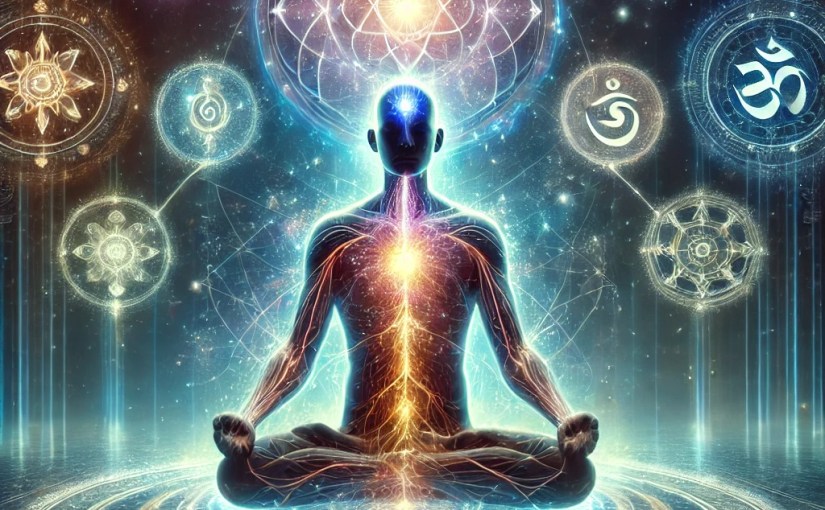
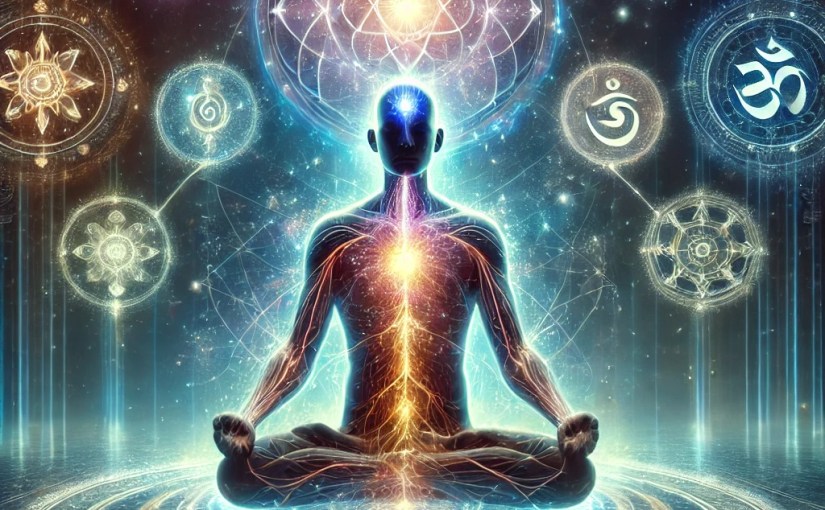
I have observed that prana in the Muladhara Chakra remains constricted in darkness due to duality, which is why Kundalini is said to be “coiled.” As it moves up through the Sushumna, it expands toward non-duality and light, reaching infinite consciousness. This is often described as the uncoiling of the snake, rising with its hood open.

During this uncoiling, I touched full awakening. But rather than letting it consume me, I chose to maintain awareness—not allowing myself to lose control in the overwhelming expansion. I realized that this experience is part of the cosmic dance, but I must stay rooted in awareness through Sharirvigyan Darshan (awareness through the body). This understanding acts as a “consciousness shock absorber,” ensuring that my awareness remains balanced, does not slip into unconscious tendencies and even don’t crave for unbound or limitless consciousness of awakening. For me, awareness or knowledge means spontaneous expression of meditation image.

Grounding: Balancing Expansion and Stability

Grounding is essential in this process, but I have observed that no grounding method works effectively in isolation. Whether it’s deep meditation, worldly activities, or even the Panchamakara practices, grounding must be integrated with awareness. For example if panchmakara practice is not smoothed out means if its energy isn’t transferred to meditation image through sharirvigyan darshan, then it pushes one into unconscious or non awareness tendency that goes on amplifying like a cascade of events with never ending chain of action and its fruit. An action produces its fruit, that fruit further produces action, that action further produces fruit and so on like an endless chain. If awareness is tied with panchmakara practice then it goes on amplifying instead of amplification of ignorance as in former case. I will further simplify it further later elsewhere.

I further noticed something interesting—Panchamakara causes an immediate, deep grounding effect. However, it also carries a hidden feeling of committing sin even when accompanied with sharirvigyan darshan, which creates a karmic impression. While its effects are powerful at that time, the conditioning of the mind ensures that even when the fruit of it is experienced later, the same heightened awareness remains. I performed an intellectual experiment. I once undertook a sinful panchmakara. Along with it I contemplated on sharirvigyan darshan so powerfully that my meditation image was dancing like live outside. Very quickly, in days I got its resultant fruit. How I recognised that? My meditation image became so strong as if dancing live outside and I remembered that sinful panchmakara very lively. Unbounded Awareness went multiplying further with that single event like the chain reaction of a nuclear weapon as told above. Karma and its fruit along with circumstances and mentally accompanying them tend to live together. As much strong is the awareness with this type of karma-grounding that much quickly it yields the resultant fruit because God or nature wants to clear away karmic debris that much fast to liberate one fascinated by his urge for quick knowledge or salvation.

On the other hand, grounding through ordinary worldly activities is gentler and carries no sense of sin, making it feel more effortless. However panchmakara gives amazing results. That’s why it’s said don’t practice panchmakara without proper knowledge or guru’s company otherwise instead of raising up it can also pull down rapidly. Both types of grounding methods work, but the key is maintaining awareness so that grounding does not lead to unconscious tendencies.

Karma: A Refining Process, Not a Bondage

I have observed that karmic fruition does not bind me further—it refines my awareness instead. As karma unfolds, my inner stability increases rather than decreases. This is because I want to be aware during every karma with help of sharirvigyan darshan. Even when difficult situations out of some previous karma arise, I experience an interesting paradox: the awareness I had during past elevated states while doing those karma remains intact even in those moments. This is due to karma-fruit coliving.

Another key observation is that during exhaustion or illness or old age, karmic formations naturally reduce due to inability to work. In such times, I naturally prefer passive meditation rather than active practices of karma yoga. It feels as if taking advantage of rest the body system is updating itself, making the whole process smoother.

Beyond Seeking: Flowing With Nature

At this present stage, my sadhana is mostly effortless—there is no rigid discipline, just a natural flow. Although twice a day yoga is like eternal routine. If an further opportunity arises for structured practices like Kriya Yoga, I take it, but I do not force it. There is no compulsion to practice or avoid anything—it all happens as time and priorities allow.

I also see no separation between spiritual and worldly life. Just like the dual nature of matter (wave and particle), both aspects exist simultaneously. One does not contradict the other—they simply shift fluidly based on the moment or requirement.

Inner Intuition as the Guide

Now, external guidance is no longer a necessity—inner intuition has taken its place. However, when it comes to Nirvikalpa Samadhi, I still seek intellectual clarity, as it remains beyond my experience. I do not claim to have achieved it, nor do I chase it. There is only a subtle seeking—an openness to its possibility rather than a restless pursuit.

Conclusion: The Journey Never Ends

The unfolding of awareness has no final destination. Every phase brings new refinements, deeper insights, and greater stability. Even the idea of “progress” dissolves, because the unfolding itself is the destination.

Rather than resisting or forcing, I now allow life to unfold naturally. Awareness deepens effortlessly when one flows with it rather than against it.

कुंडलिनी: कर्म के माध्यम से जागरूकता का स्वाभाविक प्रकटीकरण और विवर्धिकरण 

आध्यात्मिक जागृति एक कठोर मार्ग नहीं है, बल्कि एक साधारण या जैविक प्रकटीकरण है – जो संरचित प्रयास के बजाय प्रत्यक्ष अनुभव के माध्यम से खुद को परिष्कृत करता है। मेरी यात्रा ने मुझे जागरूकता की गहरी अवस्थाओं से गुज़ारा है, फिर भी मैं एक अंतिम गंतव्य का पीछा करने के बजाय प्रकृति के साथ बहते हुए, स्थिर रहता हूँ। निर्विकल्प समाधि मेरी समझ से परे है, कुछ ऐसा जिसे मैंने अभी तक अनुभव नहीं किया है, लेकिन मुझे इसकी ओर एक सूक्ष्म खिंचाव महसूस होता है। कोई बेचैन खोज नहीं है, केवल इसकी संभावना के लिए खुलापन है।

कुंडलिनी: संकुचन से विस्तार तक

मैंने देखा है कि द्वैतभाव के कारण प्राण मूलाधार चक्र अंधकार में संकुचित रहता है, यही कारण है कि कुंडलिनी को “कुंडलित” कहा जाता है। जैसे-जैसे यह सुषुम्ना से ऊपर की ओर बढ़ता है, यह अद्वैत और प्रकाश की ओर फैलता है, और अनंत चेतना तक पहुँचता है। इसे अक्सर साँप के फन को खोलकर ऊपर उठने के रूप में वर्णित किया जाता है।

इस कुंडली खुलने के दौरान, मैंने पूर्ण जागृति को छुआ। लेकिन इसे अपने ऊपर हावी होने देने के बजाय, मैंने जागरूकता बनाए रखने का विकल्प चुना – इस अत्यधिक विस्तार में खुद का नियंत्रण नहीं खोने दिया। मुझे एहसास हुआ कि यह अनुभव ब्रह्मांडीय नृत्य का हिस्सा है, लेकिन मुझे शरीरविज्ञान दर्शन (शरीर के माध्यम से जागरूकता) के माध्यम से जागरूकता में निहित रहना चाहिए। यह जागरूकता एक “चेतना के सदमे के अवशोषक” के रूप में कार्य करती है। यह सुनिश्चित करती है कि मेरी जागरूकता संतुलित रहे, अचेतन प्रवृत्तियों में न जाए और यहां तक ​​कि जागृति की असीम या अखंड चेतना की लालसा भी न हो।

ग्राउंडिंग: विस्तार और स्थिरता को संतुलित करना

इस प्रक्रिया में ग्राउंडिंग आवश्यक है। लेकिन मैंने देखा है कि कोई भी ग्राउंडिंग विधि अकेले में प्रभावी रूप से काम नहीं करती है। चाहे वह गहन ध्यान हो, सांसारिक गतिविधियाँ हों, या यहाँ तक कि पंचमकार अभ्यास भी हों, ग्राउंडिंग को जागरूकता के साथ मिश्रित किया जाना चाहिए। उदाहरण के लिए यदि पंचमकार अभ्यास को सुचारू नहीं किया जाता है, अर्थात यदि इसकी ऊर्जा को शरीरविज्ञान दर्शन के माध्यम से ध्यान छवि में स्थानांतरित नहीं किया जाता है, तो यह व्यक्ति को अचेतन या गैर-जागरूकता वाली प्रवृत्ति में धकेल देता है, जो घटनाओं के सिलसिले की तरह बढ़ती जाती है, जिसमें कर्म और उसके फल की कभी न खत्म होने वाली श्रृंखला होती है। एक कर्म अपना फल उत्पन्न करता है, वह फल आगे कर्म उत्पन्न करता है, वह कर्म आगे फल उत्पन्न करता है और इसी प्रकार यह अंतहीन श्रृंखला चलती रहती है। यदि पंचमकार सेवन को जागरूकता के साथ जोड़ दिया जाए तो यह अज्ञान को बढ़ाने के बजाय ज्ञान अर्थात जागरूकता बढ़ाता है जैसा कि पहले मामले में था। जागरूकता या ज्ञान का मतलब है, ध्यान चित्र का सहज ध्यान। मैं इसे बाद में और सरल करूंगा।

मैंने आगे एक और दिलचस्प बात देखी- पंचमकार तत्काल, और गहरा ग्राउंडिंग (शक्ति को धरातल या दुनियादारी की तरफ नीचे उतारने के लिए प्रयुक्त शब्द) प्रभाव उत्पन्न करता है। हालाँकि, इसके शरीरविज्ञान दर्शन के साथ किए जाने पर भी आदमी के मन में एक सूक्ष्म पछतावा सा या दोषीपने का एहसास सा रहता है उसने पाप किया है। यह एक कर्म संबंधी प्रभाव उत्पन्न करता है, बेशक जागरूकता के साथ मिश्रित। बेशक इसका प्रभाव उसी समय शक्तिशाली होता है, पर मन की कंडीशनिंग यह सुनिश्चित करती है कि जब बाद में इसका फल अनुभव किया जाता है, तब भी वही बढ़ी हुई जागरूकता बनी रहती है। 

मैंने एक बौद्धिक प्रयोग किया। मैंने एक बार एक पापपूर्ण पंचमकार किया। इसके साथ ही मैंने शरीरविज्ञान दर्शन पर इतने शक्तिशाली रूप से चिंतन किया कि ऐसा लगा कि मेरी ध्यान छवि बाहर सजीव जैसी बनकर नृत्य कर रही थी। बहुत जल्दी, कुछ ही दिनों में मुझे इसका परिणामी फल मिल गया। मैंने इसे कैसे पहचाना? उस समय मेरी ध्यान छवि इतनी प्रबल हो गई मानो बाहर सजीव नृत्य कर रही हो और मुझे वह पापमय पंचमकार बहुत जीवंत रूप से याद आ गया। जैसा कि ऊपर बताया गया है, उस  घटना के साथ असीम जागरूकता और भी बढ़ गई, और फिर आगे से आगे, जैसे कि परमाणु हथियार की श्रृंखला प्रतिक्रिया या चेन रिएक्शन। कर्म और उसके फल, उनके दौरान परिस्थितियाँ और मानसिक भाव, ये सब साथ-साथ रहते हैं। इस प्रकार के कर्म-ग्राउंडिंग के साथ जागरूकता जितनी मजबूत होती है, उतनी ही जल्दी यह परिणामी फल देती है क्योंकि ईश्वर या प्रकृति कर्म के मलबे को उतनी ही तेजी से साफ करना चाहती है ताकि व्यक्ति को उसकी त्वरित ज्ञान या मोक्ष की लालसा के परिणामस्वरूप उसे त्वरित रूप में मुक्त किया जा सके।

दूसरी ओर, सामान्य सांसारिक गतिविधियों के माध्यम से ग्राउंडिंग अधिक कोमल होती है और इसमें पाप की भावना नहीं होती है, जिससे यह अधिक सहज लगता है। हालाँकि पंचमकार अद्भुत परिणाम देता है। इसीलिए कहा जाता है कि उचित ज्ञान या गुरु की संगति के बिना पंचमकार का अभ्यास न करें अन्यथा यह ऊपर उठाने के बजाय तेजी से नीचे भी खींच सकता है। दोनों प्रकार की ग्राउंडिंग विधियाँ काम करती हैं, लेकिन मुख्य बात जागरूकता बनाए रखना है ताकि ग्राउंडिंग अचेतन प्रवृत्तियों की ओर न ले जाए। 

कर्म: एक परिष्कृत प्रक्रिया, बंधन नहीं

मैंने देखा है कि कर्म फल मुझे और अधिक नहीं बांधता – बल्कि यह मेरी जागरूकता को परिष्कृत करता है। जैसे-जैसे कर्म फल के रूप में प्रकट होता है, मेरी आंतरिक स्थिरता कम होने के बजाय बढ़ती है। ऐसा इसलिए है क्योंकि मैं शरीरविज्ञान दर्शन की मदद से हर कर्म के दौरान जागरूक रहना चाहता हूं। यहां तक ​​कि जब पिछले कर्मों के कारण कठिन परिस्थितियाँ आती हैं, तो मैं एक दिलचस्प विरोधाभास का अनुभव करता हूं: उन कर्मों को करते समय पिछले उच्च अवस्थाओं के दौरान जो जागरूकता थी, वह उन क्षणों में भी बरकरार रहती है। यह कर्म-फल के सह-जीवन के कारण ही है।

एक और महत्वपूर्ण अवलोकन यह है कि थकावट या बीमारी या बुढ़ापे के दौरान, काम करने में असमर्थता के कारण कर्म निर्माण स्वाभाविक रूप से कम हो जाते हैं। ऐसे समय में, मैं स्वाभाविक रूप से कर्म योग के सक्रिय अभ्यासों के बजाय निष्क्रिय ध्यान को प्राथमिकता देता हूं। ऐसा लगता है जैसे आराम का लाभ उठाते हुए शरीर प्रणाली खुद को अपडेट कर रही है, जो पूरी प्रक्रिया को आसान बना रही है।

खोज से परे: प्रकृति के साथ बहना

इस समय, मेरी साधना ज़्यादातर सहज है – कोई कठोर अनुशासन नहीं है, बस एक स्वाभाविक प्रवाह है। हालाँकि दिन में दो बार योग करना एक शाश्वत दिनचर्या की तरह है। अगर क्रिया योग जैसे संरचित अभ्यासों के लिए कोई और अवसर आता है, तो मैं इसे लेता हूँ, लेकिन मैं इसे ज़बरदस्ती नहीं करता। अभ्यास करने या किसी चीज़ से बचने की कोई बाध्यता नहीं है – यह सब समय और प्राथमिकताओं के अनुसार होता है।

मैं आध्यात्मिक और सांसारिक जीवन के बीच कोई अलगाव भी नहीं देखता। पदार्थ (तरंग और कण) की दोहरी प्रकृति की तरह, दुनियादारी के दोनों पहलू एक साथ मौजूद हैं। एक पहलू दूसरे का खंडन नहीं करता है – वे बस समय , परिस्थिति या आवश्यकता के आधार पर सहज रूप से बदलते रहते हैं।

आंतरिक अंतर्ज्ञान मार्गदर्शक के रूप में

बाहरी मार्गदर्शन अब एक आवश्यकता नहीं है – आंतरिक अंतर्ज्ञान ने इसकी जगह ले ली है। हालाँकि, जब निर्विकल्प समाधि की बात आती है, तो मैं अभी भी बौद्धिक स्पष्टता चाहता हूँ, क्योंकि यह मेरे अनुभव से परे है। मैं इसे प्राप्त करने का दावा नहीं करता, न ही मैं इसका पीछा करता हूँ। केवल एक सूक्ष्म खोज है – बेचैन खोज के बजाय इसकी संभावना के लिए खुलापन।

निष्कर्ष: यात्रा कभी समाप्त नहीं होती

जागरूकता के प्रकटीकरण का कोई अंतिम गंतव्य नहीं है। हर चरण नए परिष्कार, गहरी अंतर्दृष्टि और अधिक स्थिरता लाता है। यहाँ तक कि “प्रगति” का विचार भी समाप्त हो जाता है, क्योंकि प्रकटीकरण ही गंतव्य है।

प्रतिरोध करने या बलपूर्वक स्वीकार करने के बजाय, मैं अब जीवन को स्वाभाविक रूप से प्रकट होने देता हूँ। जागरूकता तब सहजता से गहरी होती है जब कोई जीवन के विरुद्ध बहने के बजाय इसके साथ बहता है।