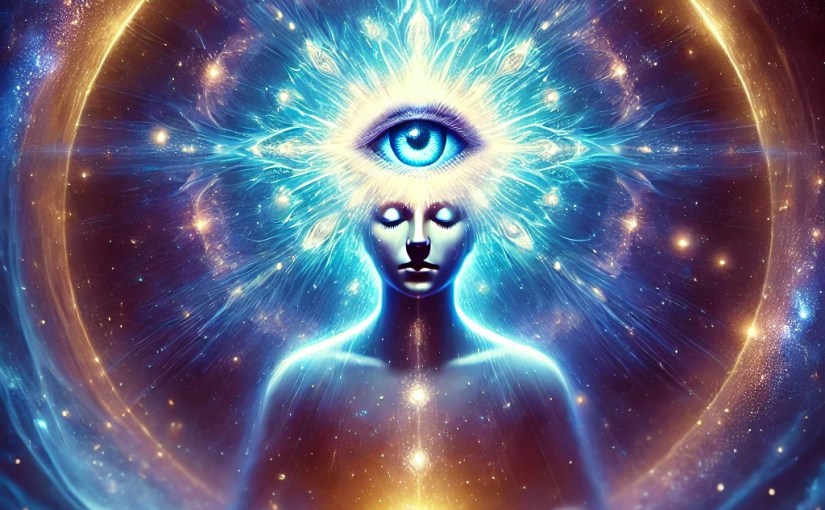
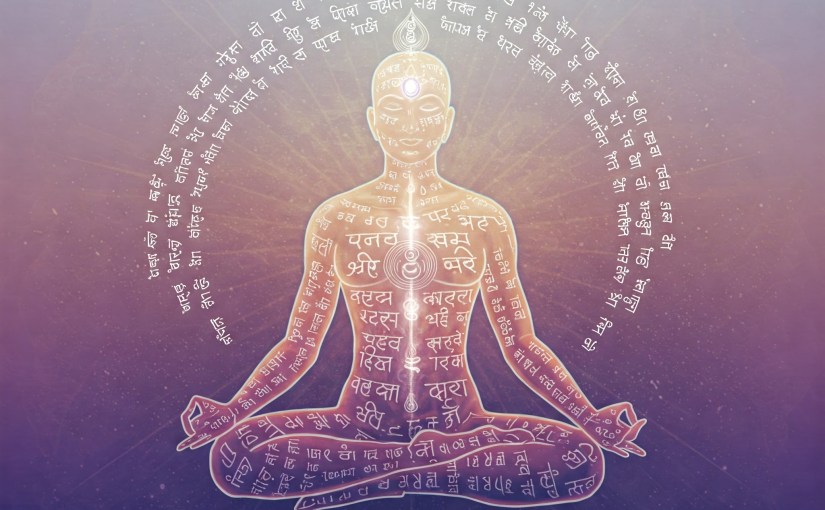
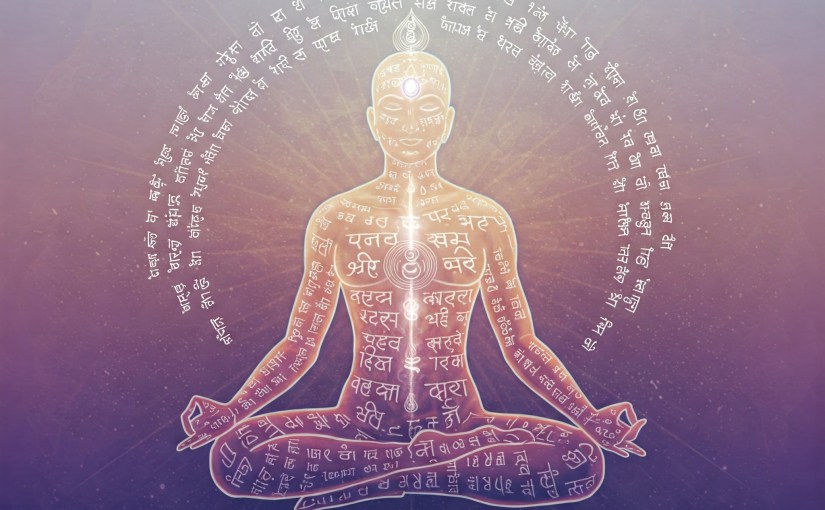
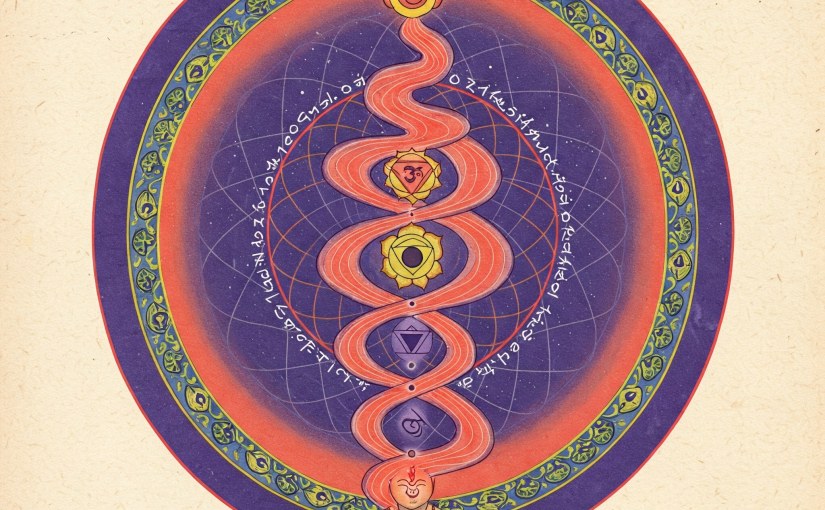
सांस: मन, ऊर्जा और मेटाबॉलिज्म का सेतु

अक्सर हम सांस को केवल ऑक्सीजन लेने-देने की प्रक्रिया मानते हैं, लेकिन इसका असली काम शरीर में ऊर्जा (प्राण) को प्रवाहित करना है। मन, सांस और ऊर्जा एक-दूसरे से जुड़े होते हैं। जब मन डगमगाता है, तो सांस भी उसी के अनुरूप चलती है और ऊर्जा इधर-उधर बहने लगती है।

बेचैन मन → तेज, असंतुलित सांस → बिखरी हुई ऊर्जा।

शांत मन → गहरी, धीमी, लयबद्ध सांस → ऊर्जा सहज रूप से ऊपर बहती है।

भावनात्मक स्थिति → भारी या असामान्य सांस → ऊर्जा हृदय में केंद्रित हो जाती है।

यह उतार-चढ़ाव मेटाबॉलिज्म को भी प्रभावित करता है। जब प्राण अस्थिर होता है, तो मेटाबॉलिज्म तेज़ हो जाता है और शरीर ज्यादा ऑक्सीजन खींचने लगता है। वहीँ, जब सांस संतुलित होती है, तो प्राण भी स्थिर रहता है, मेटाबॉलिज्म धीमा पड़ता है और ऑक्सीजन की जरूरत कम हो जाती है।

गहरे ध्यान में जब विचार शांत हो जाते हैं, तो सांस अपने आप धीमी हो जाती है या कभी-कभी रुक भी जाती है। तब शरीर कैसे चलता है? क्योंकि ऑक्सीजन की जरूरत घट जाती है। हृदय की गति धीमी हो जाती है, कोशिकाओं की गतिविधि कम हो जाती है और जीवन केवल प्राण पर निर्भर करने लगता है। गहरे ध्यान में डूबे योगी सांस के बिना भी जीवित रह सकते हैं क्योंकि वे केवल ऑक्सीजन पर नहीं, बल्कि प्राण ऊर्जा पर टिके रहते हैं।

प्राणायाम सिर्फ सांस पर नियंत्रण नहीं है, यह ऊर्जा को साधने की विधि है। जब हम सांस को नियंत्रित करते हैं, तो प्राण संतुलित होता है, मेटाबॉलिज्म सुचारू रहता है और मन स्थिर होता है। जब प्राण सहज रूप से बहता है, तो जीवन भी बिना किसी अवरोध के चलता रहता है। यही आंतरिक शांति और जीवनशक्ति का रहस्य है।

एक और राज की बात। जब शरीरविज्ञान दर्शन का प्रैक्टिकल ध्यान किया जाता है, तब भटकी हुई सांस संतुलन में आने लगती है। यह राजयोग है, यह सहज योग, यह ज्ञानयोग है। मतलब हम मस्तिष्क की विचार शक्ति से योग की ओर जा रहे हैं। अंत में योग वाले सभी रास्ते आपस में मिल जाते हैं, चाहे विचार वाला रास्ता हो,या चाहे सांस वाला रास्ता हो।

अधिकतर योगीराज अपने प्राणायाम के अनुभव को ऐसे लिखते हैं कि सांस भीतर ही भीतर बहने लग गई। इसका मतलब यह है कि प्राण भीतर ही भीतर अपने आप में बहने लग गया। अब वह अपने संचार के लिए सांस की गति पर निर्भर नहीं है। सांस तो वे अब सिर्फ ऑक्सीजन की प्राप्ति के लिए ले रहे हैं। इसके लिए बहुत कम सांस की जरूरत होती है। इसका मतलब है कि प्राणों को गति देने के लिए ली गई सांस में हमें बिना जरूरत के ऑक्सीजन लेनी पड़ती है। फिर बिना जरूरत के ही इसका उपयोग भी करना पड़ता है। इससे मेटाबॉलिज्म बढ़ता है। इससे हममें बेचैनी और तनाव बना रहता है और थकान भी, जिससे सही से आराम नहीं मिलता। मतलब अगर कम ऑक्सीजन में सांस लिया जाए तो दम घुटेगा क्योंकि सांस से पैदा किया हुआ प्राण और मेटाबॉलिज्म आपस में जुड़े हुए हैं। इन्हें अलग नहीं कर सकते। पर अंदरूनी प्राण या अंदरूनी सांस मेटाबोलिज्म को अपने हिसाब से या आधारभूत स्तर पर होने देती है, इसे कम या ज्यादा नहीं करती।

सांस से बढ़ाया हुआ प्राण हमेशा अधिक ऑक्सीजन की मांग करेगा, क्योंकि यह मेटाबॉलिज्म को तेज करता है। यदि कम ऑक्सीजन वाली जगह में गहरी सांस लेकर प्राण बढ़ाने का प्रयास किया जाए, तो प्राण-ऊर्जा बनाए रखने के लिए पर्याप्त ऑक्सीजन न मिलने से दम घुटने जैसा अनुभव होगा। पहाड़ों में योगी इसीलिए धीमी और स्वाभाविक श्वास लेते हैं, न कि गहरी योगिक सांस, ताकि प्राण और ऑक्सीजन की मांग में संतुलन बना रहे। जब तक प्राण सांस से स्वतंत्र नहीं होता, तब तक ऑक्सीजन की जरूरत बनी रहेगी, इसलिए श्वास और प्राण को संतुलित करना आवश्यक है। केवली कुंभक में सांस प्राण से अलग होने लगती है।
Breath: The Bridge Between Mind, Energy, and Metabolism

Breath is often seen as just a means of oxygen supply, but in reality, it plays a much deeper role—it moves energy (prana) throughout the body. The mind, breath, and energy are intertwined. When the mind wavers, the breath follows, and energy moves accordingly.

Restless thoughts → Fast, shallow, irregular breath → Scattered energy.

Calm thoughts → Deep, slow, rhythmic breath → Energy flows smoothly upward.

Emotional thoughts → Heavy or erratic breath → Energy concentrates in the heart.

This constant fluctuation also affects metabolism. When prana is unstable, metabolism becomes agitated, increasing oxygen consumption. A restless mind speeds up breathing, activates the nervous system, and demands more oxygen. When the breath steadies, prana stabilizes, metabolism slows, and oxygen needs decrease.

In deep meditation, where thoughts subside, breath naturally slows or even stops. How does the body survive? Because the need for oxygen drops. The heart rate slows, cellular function minimizes, and prana sustains life beyond physical respiration. Yogis in deep states of stillness can remain breathless because they are nourished by prana, not just oxygen.

Pranayama is not just breath control—it is energy mastery. By consciously regulating breath, we stabilize prana, balance metabolism, and calm the mind. When prana flows smoothly, life functions effortlessly. Understanding this unlocks the secret of inner stillness and vitality.

One more secret. When practical meditation of Sharirvigyan Darshan is done, then the stray breath starts coming in balance. This is Rajayoga, this is Sahaja Yoga, this is Gyanyoga. It means that we are going towards yoga with the thought power of the brain. In the end all the paths of yoga meet each other, whether it is the path of thought or the path of breath.

Most Yogirajs write about their experience of Pranayam in such a way that the breath started flowing inside. This means that the life or prana started flowing inside on its own. Now it is not dependent on the movement of breath for its circulation. Now they are breathing only to get oxygen. Very less breath is required for this. This means that in the breath taken to give movement to the life, we have to take oxygen without need. Then it has to be used without need. This increases the metabolism. Due to this, we remain restless and stressed and also tired, due to which we do not get proper rest. Meaning, if you breathe in less oxygen space, you will suffocate because the prana produced by breathing and metabolism are interconnected. They cannot be separated. But the inner prana or inner breath allows metabolism to happen at its own pace or at the basic level, it does not increase or decrease it.

The prana increased by breathing will always demand more oxygen, because it speeds up metabolism. If an attempt is made to increase prana by breathing deeply in less oxygen space, then due to not getting enough oxygen to maintain prana energy, you will experience suffocation. That is why yogis in the mountains breathe slowly and naturally, not deeply in yogic way, so that there is a balance between the demand for prana and oxygen. Until prana is independent of breath, the need for oxygen will remain, so it is necessary to balance breath and prana. In Kevali Kumbhaka, breath starts getting separated from prana.

Direct Awakening Through Kutastha: My Experience

Many say working with chakras and the spine is necessary for spiritual progress, but Kriya yoga Guru Mukherjee’s words struck me deeply—only concentrating on Kutastha (the spiritual eye) leads to salvation. He claimed that focusing on chakras for eons won’t bring liberation. I now understand why.

From the very beginning, I forced energy into Kutastha using Tantra. Or should I say, I meditated directly in the brain. I did not have any special knowledge and experience of chakras at that time. After awakening, I worked lightly on chakras but never let energy linger there. This led to a quick awakening. Unlike traditional methods that ascend gradually, my approach bypassed stages and reached the threshold directly. When energy wasn’t dissipated into chakras or the spine, the shift happened swiftly.

Yet, awakening came with a new challenge—balance. At that time I had become detached from worldly affairs. Deep and heavy work used to inflame meditation image in the mind along with pleasure. It used to increase the pressure in the mind and of course pleasure also. However, I used to get great help from leftist tantra (mainly yin-yang type) to control it. My energy naturally moves up and down now, but staying grounded is necessary. For this, I practice chakra meditation daily. I hold my breath on each chakra, visualizing its color, grain, and bija mantra, moving from top to bottom. Without Tantra, grounding takes a little time; with it, it happens instantly.

I’ve heard of many grounding techniques, but I only explore them for research, not necessity. My system stabilizes well with Tantra and chakra meditation. This direct method works for me. The key insight? Salvation happens when energy fully settles in Kutastha without dispersing. Focusing elsewhere delays it.

For those seeking the fastest route—aim for Kutastha, stabilize with chakra meditation, and use Tantra when needed. Awakening is simple when you don’t overcomplicate the path.

कूटस्थ के माध्यम से सीधी जागृति: मेरा अनुभव

बहुत लोग कहते हैं कि चक्रों और रीढ़ की साधना जरूरी है, लेकिन क्रिया योग गुरु मुखर्जी की बात मुझे गहराई से छू गई—केवल कूटस्थ (आज्ञा चक्र) पर ध्यान लगाने से ही मुक्ति मिलती है। उनका मानना था कि चक्रों पर ध्यान लगाने से अनगिनत जन्म भी व्यर्थ जा सकते हैं। अब मुझे समझ आ गया कि ऐसा क्यों है।

शुरुआत से ही मैंने तंत्र के सहारे ऊर्जा को सीधे कूटस्थ में प्रवाहित किया। या यूं कहो, सीधा मस्तिष्क में ध्यान किया। चक्रों का मुझे उस समय विशेष ज्ञान और अनुभव नहीं था। जागृति के बाद ही चक्रों पर थोड़ा ध्यान देना शुरु किया, लेकिन ऊर्जा को वहाँ रुकने नहीं दिया। इसका परिणाम हुआ—तेज़ जागृति। जहाँ पारंपरिक तरीके धीरे-धीरे ऊर्जा को ऊपर उठाते हैं, मेरा तरीका सीधे लक्ष्य तक पहुँच गया। जब ऊर्जा चक्रों या रीढ़ में नहीं उलझी, तो जागृति तुरंत हुई।

लेकिन इसके साथ एक नई चुनौती आई—संतुलन बनाए रखना। मैं उस समय दुनियादारी से विरक्त सा हो गया था, गहरे और भारी काम मस्तिष्क में आनंद के साथ ध्यान चित्र को भड़का देते थे। उससे मस्तिष्क में दबाव बढ़ जाता था बेशक आनंद भी। हालांकि मुझे उसे काबू में करने के लिए वाममार्गी तंत्र (खासकर यिन यांग रूप वाला) से बहुत सहायता मिलती थी। अब ऊर्जा स्वतः ऊपर-नीचे चलती है, लेकिन स्थिर रहना ज़रूरी है। इसके लिए मैं रोज़ चक्र ध्यान करता हूँ। हर चक्र पर श्वास रोकता हूँ, उसके रंग, अनाज, बीज मंत्र और ध्यान चित्र के रूप में देवता की कल्पना करता हूँ, और ऊपर से नीचे की ओर बढ़ता हूँ। बिना तंत्र के, स्थिर होने में थोड़ा समय लगता है, लेकिन तंत्र से यह तुरंत हो जाता है।

बहुत सी ग्राउंडिंग तकनीकों के बारे में सुना, पर ज़रूरत नहीं पड़ी। मेरे लिए तंत्र और चक्र ध्यान ही पर्याप्त हैं। इस सीधी पद्धति ने मेरे लिए काम किया। असली रहस्य यह है—जागृति तभी होती है जब ऊर्जा पूरी तरह कूटस्थ में स्थिर हो जाए, अन्यत्र बिखरने न पाए।

अगर मुक्ति की सीधी राह चाहिए—कूटस्थ पर ध्यान दो, संतुलन के लिए चक्र ध्यान अपनाओ, और ज़रूरत पड़ने पर तंत्र का सहारा लो। जब राह सरल हो, तो उसे उलझाने की ज़रूरत नहीं।

Kevala Kumbhaka and the Silent Unfolding of Awareness

When the time is right, Kevala Kumbhaka sets in effortlessly. No amount of effort can force it; it happens by itself. The breath naturally ceases, and stillness takes over. Thoughts may try to arise, but the meditation image emerges instantly, bringing breathlessness back. This cycle continues as long as one does not choose to break it.

The longest I remained in Kevala Kumbhaka was about two hours while traveling on a bus. Sitting for long periods can cause sores, but I carefully adjust posture without disturbing the stillness. By the way, the seat in the bus feels the best because due to the slight jolts and vibrations, the body gets a subtle massage, which does not cause stiffness and the legs etc. do not become numb. One can  reach the stage of keval Kumbhaka with any lifestyle of activity—in fact, it seems more so in the state of relaxation after a strenuous task, whereby everything feels effortless, as if only meditation is taking place. Though contemplating the physiology philosophy during daily activities helps in meditation, keval Kumbhaka enhances this help. The more challenging the task, the more it helps.

With time, the meditation image has mostly taken the place of ‘I.’ In my 10-second glimpse of enlightenment, the image had completely merged with me and the world. Now, it serves as a bridge to stillness. Whether it will fully dissolve or remain as an anchor is unknown—the process is guiding itself. No effort, no struggle, just unfolding.

Curiosity never ends. The joy of discovery, the urge to share, and the art of writing help refine and integrate these experiences. Simplicity is key—truth is best expressed in few words. In the end, it’s not about knowing where this journey leads but allowing it to happen, moment by moment.

केवल कुम्भक और मौन चेतना का प्राकट्य

मित्रो, जब सही समय आता है, केवल कुम्भक स्वयं घटित होता है। इसे प्रयास से प्राप्त नहीं किया जा सकता; यह अपने आप होता है। श्वास स्वाभाविक रूप से थम जाती है और स्थिरता छा जाती है। विचार उठने की कोशिश करते हैं, लेकिन ध्यान का चित्र तुरंत प्रकट होता है और फिर से निःश्वास रहित स्थिति आ जाती है। यह चक्र तब तक चलता रहता है जब तक कोई इसे तोड़ने का निश्चय नहीं करता।

सबसे लंबी अवधि जिसमें मैं केवल कुम्भक में रहा, वह लगभग दो घंटे थी, जब मैं बस में यात्रा कर रहा था। लंबे समय तक बैठने से शरीर में जकड़न हो सकती है, लेकिन मैं अपनी स्थिति को इस तरह समायोजित करता हूँ कि स्थिरता बनी रहे। वैसे बस का आसन सर्वोत्तम लगता है क्योंकि इसमें हल्के झटके या कंपन लगते रहने से शरीर की सूक्ष्म मालिश होती रहती है जिससे इसमें जकड़न नहीं होती, और न ही टांगें वगैरह सुन्न जैसी होती हैं। इस दौरान एक गहरी शांति, हल्कापन और सुकून अनुभव होता है। किसी भी गतिविधि की जीवनचर्या के साथ आदमी केवल कुंभक के स्तर तक पहुंच सकता है —बल्कि, कठिन कार्य के बाद विश्राम की अवस्था में यह और अधिक लगता है, जिससे सबकुछ सहज महसूस होता है, मानो केवल ध्यान ही हो रहा हो। यद्यपि दैनिक गतिविधि के दौरान शरीरविज्ञान दर्शन पर विचार करने से ध्यान लगने में सहायता मिलती है। केवल कुम्भक इस सहायता को और बढ़ाता है। काम जितना ज्यादा चुनौतीपूर्ण होता है, यह सहायता भी उतनी ही ज्यादा मिलती है।

समय के साथ, ध्यान का चित्र ‘मैं’ का स्थान लेने लगा है। मेरी दस सेकंड की आत्मबोध की झलक में, यह चित्र पूरी तरह मुझसे और इस संसार से एक हो गया था। अब, यह स्थिरता की ओर एक सेतु जैसा कार्य करता है। यह पूरी तरह विलीन होगा या एक सहारा बना रहेगा, यह अज्ञात है—यह प्रक्रिया स्वयं अपना मार्ग तय कर रही है। कोई प्रयास नहीं, कोई संघर्ष नहीं, बस स्वाभाविक प्रवाह।

जिज्ञासा कभी समाप्त नहीं होती। खोज का आनंद, इसे साझा करने की प्रेरणा और लेखन की कला इन अनुभवों को और अधिक स्पष्ट करने में सहायक होती है। सादगी ही मूल तत्व है—सत्य को कम शब्दों में व्यक्त करना ही उसकी गहराई को बनाए रखता है। अंततः, यह जानना महत्वपूर्ण नहीं कि यह यात्रा कहाँ ले जाएगी, बल्कि इसे क्षण-प्रतिक्षण घटित होने देना ही वास्तविक साधना है।

Kundalini and Keval Kumbhaka: When Prana becomes stable, that is the true Asana

In Yoga it is said that Siddhasana, Padmasana or other stable asanas are the best for meditation and Kumbhaka. But when keval Kumbhaka happens, any place—be it a bus seat or an office chair—becomes the best asana.

The Secret of Asana: The Play of Prana, Not the Body

In Yoga, Asana is defined as stability and comfort (Sthirasukhmasanaam). But here an amazing experience is unfolding—
If only Kumbhaka happens naturally, the body becomes stable automatically.
Then the place of sitting does not matter—because both the mind and the body do not even think of moving.
This means that the “best asana” is the one where Prana withdraws automatically within.

Is Siddhasana not necessary?

Siddhasana is said to be the best in Yoga because—
It keeps the spine straight. Makes the energy flow smoothly from Muladhara to Sahasrara.

Helps in meditation and Kumbhaka.

But if one enters into Keval Kumbhaka, there is no difference between Siddhasana and a bus seat! Because in that state— ✅ The body becomes stable automatically. ✅ The mind becomes calm. ✅ No external movement is felt.

Is Asana not important?

No, Asana is still important, especially in the initial stages. ✅ The right Asana makes it easier for Keval Kumbhaka to happen. ✅ It keeps the energy balanced. ✅ It does not allow extra tension in the body.

But once Keval Kumbhaka starts happening naturally, then the position of the body is not so much of a hindrance.

Slight adjustments during Keval Kumbhaka

When Keval Kumbhaka happens, slight body adjustments do not affect it much. This is possible because—

Now Kumbhaka is happening not just with the body, but with the prana getting confined within.
As long as the depth of prana is maintained, slight movement of the body does not break the kumbhaka.

What adjustments can be made?

✔ Slight adjustment of the hand or foot. ✔ Slight straightening or loosening of the spine. ✔ Slight relaxation of the head or neck.

When can this kumbhaka be broken?

❌ If one stands up suddenly or jolts too much. ❌ If the attention is completely diverted to the external world. ❌ If there is too much discomfort in the body and the mind gets stuck there.

Conclusion

“Kewal Kumbhak” is no longer dependent on the position of the body, but on the prana being stable within. So slight adjustments of the body do not disrupt it much.

Whether the body is stable or not, when the prana is stable—that is true kumbhaka!

कुंडलिनी और केवल कुंभक: जब प्राण स्थिर हो जाए, वही सच्चा आसन है

योग में कहा जाता है कि सिद्धासन, पद्मासन या अन्य स्थिर आसन ध्यान और कुंभक के लिए सर्वोत्तम हैं। लेकिन जब केवल कुंभक घटित होता है, तब कोई भी स्थान—चाहे वह बस की सीट हो या ऑफिस की कुर्सी—सर्वश्रेष्ठ आसन बन जाता है।

आसन का रहस्य: शरीर नहीं, बल्कि प्राण का खेल

योग में आसन को स्थिरता और सुविधा (स्थिरसुखमासनम्) के रूप में परिभाषित किया गया है। लेकिन यहाँ एक अद्भुत अनुभव सामने आ रहा है—

अगर केवल कुंभक स्वाभाविक रूप से घटित हो जाए, तो शरीर अपने-आप स्थिर हो जाता है।

तब बैठने की जगह कोई मायने नहीं रखती—क्योंकि मन और शरीर दोनों को हिलने का ख्याल ही नहीं आता।

इसका मतलब यह हुआ कि “सबसे श्रेष्ठ आसन” वही है, जहाँ प्राण अपने-आप भीतर सिमट जाए।

क्या सिद्धासन आवश्यक नहीं?

सिद्धासन को योग में सर्वश्रेष्ठ बताया गया है क्योंकि—

यह मेरुदंड को सीधा रखता है।

मूलाधार से सहस्रार तक ऊर्जा को सहज प्रवाहित करता है।

ध्यान और कुंभक में सहायक होता है।

लेकिन यदि कोई केवल कुंभक में प्रविष्ट हो जाए, तो सिद्धासन और बस की सीट में कोई अंतर नहीं रहता! क्योंकि उस अवस्था में— ✅ शरीर अपने-आप स्थिर हो जाता है। ✅ मन शांत हो जाता है। ✅ कोई बाहरी हलचल महसूस ही नहीं होती।

क्या आसन का कोई महत्व नहीं?

नहीं, आसन अभी भी महत्वपूर्ण है, खासकर प्रारंभिक अवस्था में। ✅ सही आसन से केवल कुंभक घटित होने में आसानी होती है। ✅ यह ऊर्जा को संतुलित बनाए रखता है। ✅ शरीर में अतिरिक्त तनाव नहीं आने देता।

लेकिन एक बार जब केवल कुंभक सहज रूप से घटने लगता है, तब शरीर की स्थिति उतनी बाधा नहीं बनती।

केवल कुंभक के दौरान हल्का समायोजन

जब केवल कुंभक घटित होता है, तो हल्का-फुल्का शरीर समायोजन उसे ज्यादा प्रभावित नहीं करता। यह इसलिए संभव है क्योंकि—

अब कुंभक सिर्फ शरीर से नहीं, बल्कि प्राण के भीतर सिमट जाने से हो रहा है।

जब तक प्राण की गहराई बनी रहे, शरीर का हल्का-सा हिलना कुंभक को नहीं तोड़ता।

कैसा समायोजन किया जा सकता है?

✔ हल्का हाथ या पैर समायोजित करना। ✔ रीढ़ को थोड़ा सीधा या ढीला करना। ✔ सिर या गर्दन को थोड़ा आराम देना।

कब यह कुंभक टूट सकता है?

❌ अगर कोई अचानक से खड़ा हो जाए या ज्यादा झटका लगे। ❌ अगर ध्यान पूरी तरह बाहरी दुनिया में चला जाए। ❌ अगर शरीर में बहुत ज्यादा असुविधा आ जाए और मन वहीं अटक जाए।

निष्कर्ष

“केवल कुंभक” अब सिर्फ शरीर की स्थिति पर निर्भर नहीं है, बल्कि प्राण के भीतर स्थिर होने पर निर्भर है। इसलिए हल्की-फुल्की शरीर की समायोजन करने से यह ज्यादा बाधित नहीं होता।

शरीर स्थिर हो या न हो, जब प्राण स्थिर हो जाए—वही सच्चा कुंभक है!

Kundalini & Spontaneous Breathlessness: A Hidden Reality

I never expected breath to stop effortlessly—not in deep meditation, but in ordinary moments. Sitting in a bus, resting after exhaustion, or gently gazing at Kutastha (the space between the eyebrows), breath would become still on its own.

At first, it was puzzling. But over time, I realized—this wasn’t forced breath retention (Kumbhaka). It was the natural outcome of prana turning inward.

Kevala Kumbhaka: Breathlessness Without Effort

Breath stopping involuntarily felt strange yet peaceful. It happened under two common conditions:

A light awareness of Kutastha.

Not intense concentration, just a subtle noticing.

Almost instantly, breath would slow and then stop.

Deep relaxation after exhaustion or stress.

After heavy mental or physical effort, when the body let go, breath would naturally suspend.

What struck me was that this wasn’t limited to meditation. It happened in everyday life when prana was drawn inward.

Prana, Not Mind, Leads This Process

Initially, I believed deep stillness of mind caused this phenomenon. But observation showed something else—mental activity subsided in response to prana internalizing, not the other way around.

This changed my understanding of breath control. It’s not breath suppression that produces stillness, but rather the gathering of prana inward that results in spontaneous breath suspension.

Why Daily Pranayama Makes This Happen More Often

A regular Pranayama practice enhances this natural occurrence. The reasons are clear:

Prana detaches from breath.

Normally, prana moves with inhalation and exhalation.

With daily Pranayama, prana becomes more self-sustained, making the body less dependent on constant breathing.

The breath follows prana, not the other way around.

As prana withdraws inward, breath naturally slows or stops. Inward means as it detaches from external breathing movements.

This happens in meditation but can also happen in daily activities.

Breathlessness becomes spontaneous.

Instead of being a forced practice, Kevala Kumbhaka starts occurring effortlessly.

This is why those practicing Pranayama regularly notice breath suspension happening more frequently, even outside meditation.

A Direct Experience: How It Happens Naturally

If you want to observe this process within yourself, try this:

After a long day, sit comfortably and let the body relax. I also feel after early morning meditation the chance of keval kumbhak in the day time increases.

Avoid controlling breath, simply allow stillness to settle. Soham can be chanted with light awareness of breath.

Gently bring awareness to Kutastha without strain.

Notice how breath slows and may even stop without effort.

For some, this might happen instantly. For others, it may take time. But once it begins, you realize—breath stops not by force, but as a result of prana shifting inward.

Final Insight: A New Perspective on Breathlessness

Kevala Kumbhaka is not just a result of intense meditation or willful control. It is a natural state when prana withdraws.

It becomes more frequent with regular Pranayama.

It happens when the body and mind are deeply relaxed.

It is not something to force, but something to allow.

When breath stops effortlessly, it reveals a deeper reality—prana, not breath, is the true force of life.

कुंडलिनी और सहज श्वास रुकना: एक छिपा हुआ रहस्य

श्वास बिना किसी प्रयास के अपने-आप रुक जाए—पहले तो यकीन नहीं हुआ। और वो भी सिर्फ गहरी साधना में नहीं, बल्कि बस में बैठे-बैठे, थकान के बाद आराम करते हुए या बस कूटस्थ (भृकुटि केंद्र) पर हल्का ध्यान रखने से!

पहले तो समझ नहीं आया कि ये क्या हो रहा है। पर धीरे-धीरे एहसास हुआ—ये कोई साधारण सांस रोकने की क्रिया (कुंभक) नहीं, बल्कि प्राण के भीतर सिमटने का स्वाभाविक नतीजा था।

केवल कुंभक: बिना किसी प्रयास के श्वास का थम जाना

यह अनुभूति बड़ी ही विचित्र थी, पर भीतर गहरी शांति का एहसास देती थी। मैंने गौर किया कि यह दो स्थितियों में अधिक होता है—

जब ध्यान हल्के से कूटस्थ (आज्ञा चक्र) पर टिकता है।

ज़्यादा जोर नहीं, बस सहज जागरूकता।

और फिर एकदम से श्वास धीमी पड़ जाती है या रुक जाती है।

जब बहुत अधिक थकान या मानसिक तनाव के बाद शरीर पूरी तरह ढीला छोड़ दिया जाता है।

जैसे ही मन और शरीर गहराई से विश्राम में जाता है, बिना किसी प्रयास के श्वास ठहर जाती है।

ध्यान देने वाली बात यह थी कि यह सिर्फ साधना तक सीमित नहीं था। यह तब भी हो रहा था जब मैं कोई विशेष योग नहीं कर रहा था।

श्वास नहीं, प्राण मुख्य भूमिका निभा रहा है

पहले मैं सोचता था कि मन का शांत होना ही इसका कारण है। लेकिन ध्यान से देखने पर महसूस हुआ कि असल में यह प्राण के भीतर सिमटने से हो रहा है, और मन की शांति इसका परिणाम है।

यानी, श्वास को जबरदस्ती रोकने से ध्यान गहरा नहीं होता, बल्कि जब प्राण भीतर खिंचता है, तब श्वास अपने-आप रुक जाती है।

नियमित प्राणायाम से यह अनुभव अधिक क्यों होता है?

जो लोग रोज़ प्राणायाम करते हैं, उनमें यह अनुभव जल्दी और अधिक बार होता है। कारण साफ़ है—

प्राण श्वास से अलग होना सीख जाता है।

सामान्यतः प्राण, श्वास के साथ अंदर-बाहर चलता है। मतलब श्वास के अंदर बाहर चलने के साथ प्राण शरीर में खासकर पीठ में ऊपर नीचे जाता रहता है।

लेकिन जब प्राणायाम नियमित रूप से किया जाता है, तो प्राण अधिक स्वतंत्र हो जाता है और शरीर को निरंतर सांस लेने की आवश्यकता कम होने लगती है।

दरअसल श्वास, प्राण के पीछे चलती है, न कि प्राण श्वास के पीछे। यह आश्चर्यजनक है। प्राण का खिंचाव सांस को चलाता है न कि इसका उल्टा।

जैसे-जैसे प्राण भीतर खिंचता है, श्वास स्वाभाविक रूप से धीमी या स्थिर हो जाती है। भीतर खींचता है मतलब शरीर के अन्दर खुद ही ऊपर नीचे चलने लगता है और चलने के लिए बाहरी श्वास पर निर्भर नहीं रहता।

श्वास का रुकना सहज हो जाता है।

इसे जबरदस्ती नहीं करना पड़ता, यह अपने-आप घटित होता है।

इसीलिए जो लोग नियमित प्राणायाम करते हैं, वे पाते हैं कि साधारण परिस्थितियों में भी उनकी श्वास अपने-आप रुक जाती है।

इस अनुभव को स्वयं कैसे महसूस करें?

अगर आप इसे खुद अनुभव करना चाहते हैं, तो इन सरल चीजों को आज़माएँ—

थकान के बाद किसी शांत जगह बैठें और शरीर को पूरी तरह ढीला छोड़ दें।

श्वास को न रोकें, न ही उस पर ध्यान दें—बस सहज रहें। वैसे सोहम जाप के साथ हल्का ध्यान दे भी सकते हैं। कई बार तो इससे फायदा ही होता है।

मुझे यह भी लगता है कि अगर सुबह जल्दी उठकर साधना की जाए तो दिन में केवल कुंभक लगने की संभावना बढ़ जाती है।

हल्की जागरूकता कूटस्थ (भृकुटि केंद्र) पर रखें, बिना किसी दबाव के।

ध्यान दें कि श्वास अपने-आप धीमी हो रही है या थम रही है।

शुरुआत में यह अनुभव क्षणिक हो सकता है, लेकिन जैसे-जैसे अभ्यास बढ़ता है, यह अधिक स्वाभाविक हो जाता है। और फिर आपको समझ आता है—श्वास का रुकना कोई साधन नहीं, बल्कि प्राण की गहरी अवस्था का संकेत है।

अंतिम समझ: सहज कुंभक की नई दृष्टि

केवल कुंभक को अब मैं एक अलग दृष्टि से देखता हूँ।

यह केवल गहरी साधना या जबरदस्ती की गई क्रिया नहीं है।

यह तब होता है जब प्राण भीतर लौटता है।

यह अधिक बार उन्हीं के साथ घटित होता है जो नियमित रूप से प्राणायाम करते हैं।

यह कुछ ज़बरदस्ती करने से नहीं, बल्कि सहज होने से प्रकट होता है।

जब यह सहज रूप से घटित होता है, तो यह एक गहरी सच्चाई को उजागर करता है—शरीर को जीवित रखने वाली असली शक्ति श्वास नहीं, बल्कि प्राण है।