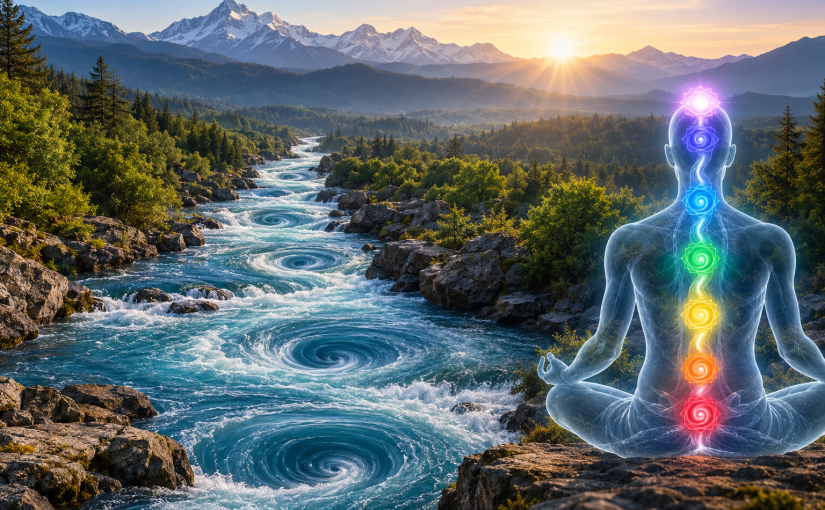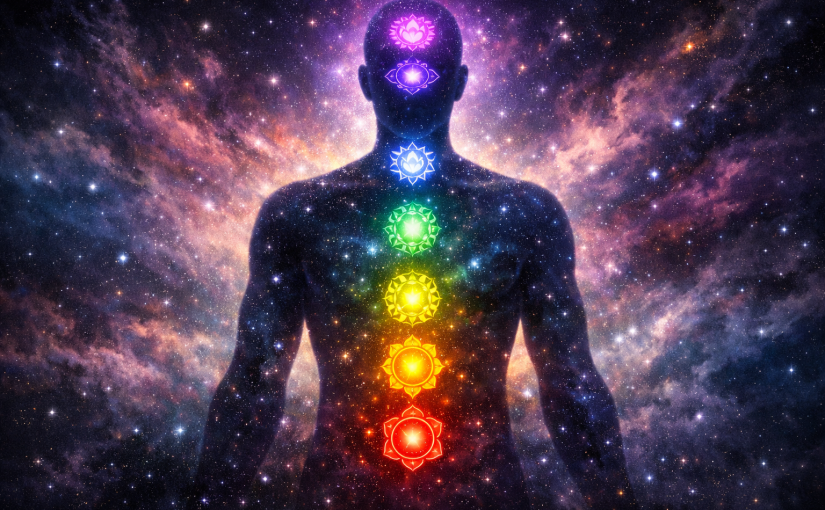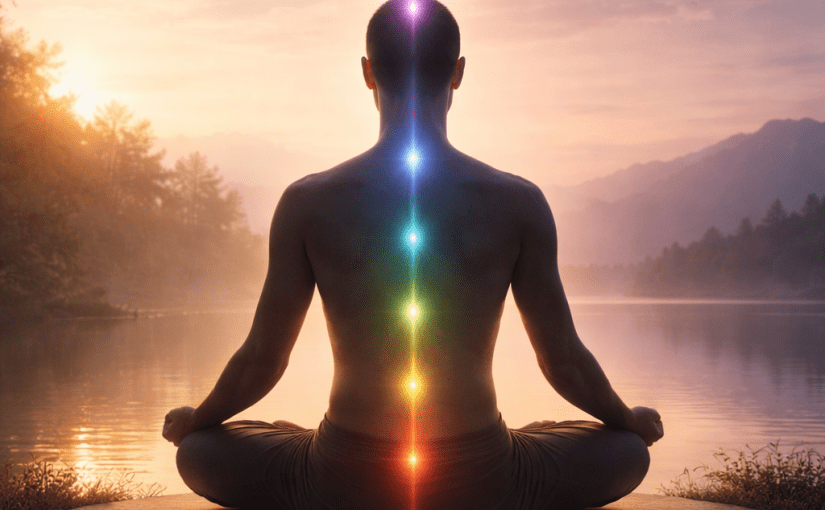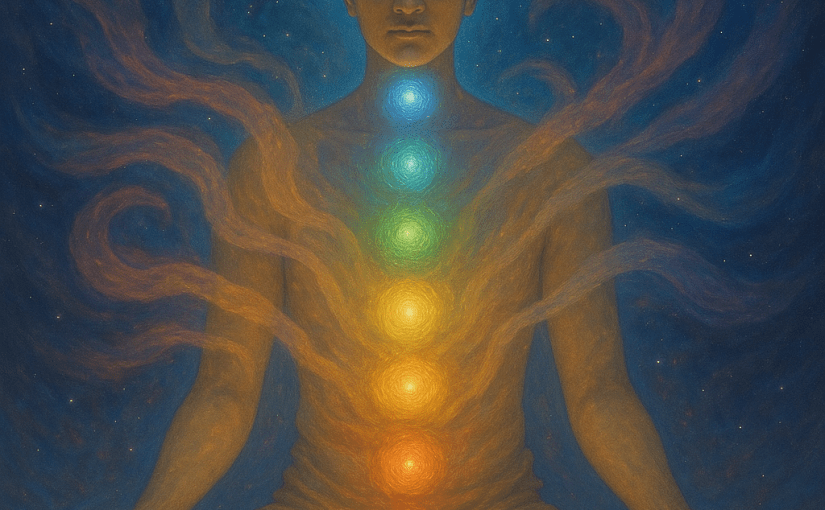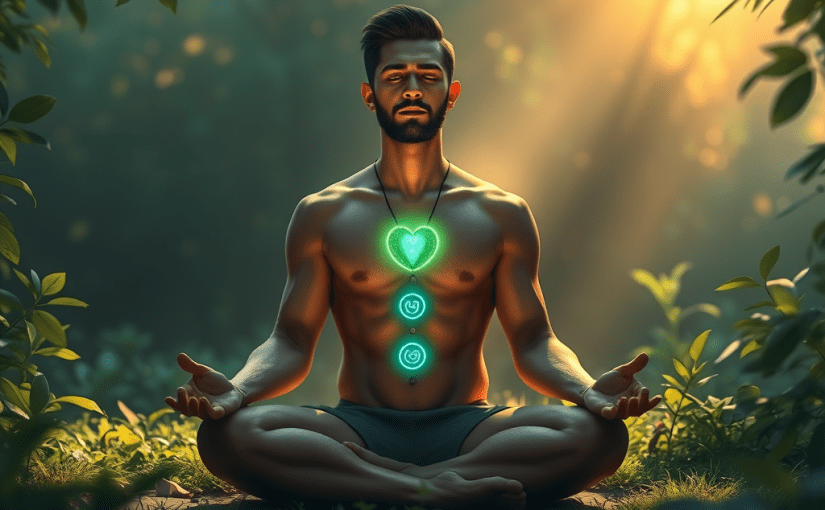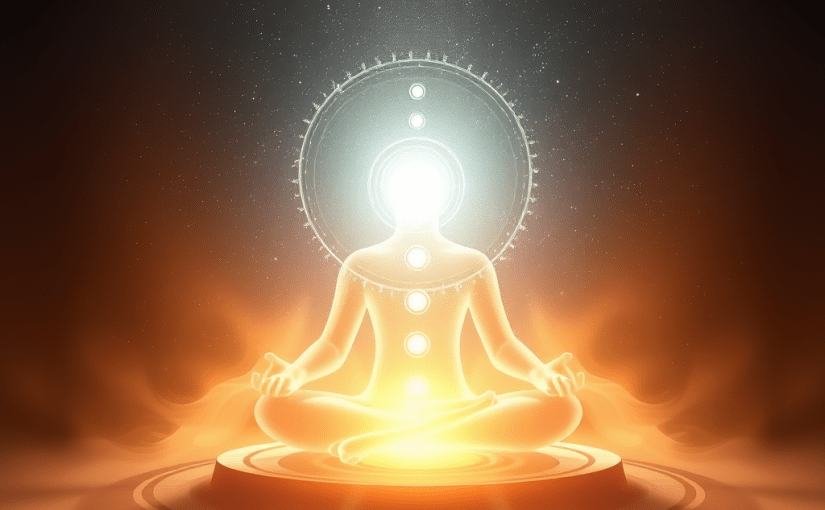
Chakra Growth Through Human Life, Nondual Awareness, Tantra and Ashrama: A Deep Inner Journey from Muladhara to Liberation

Introduction: Understanding Life as a Natural Spiritual Unfolding

Sometimes the deepest truths of life are not found in scriptures first, but in direct observation of how human life naturally moves from one phase to another. This conversation explored a powerful idea: that the chakra system may not only belong to meditation halls or yogic diagrams, but may also reflect the natural progression of ordinary human life itself. From survival struggles to love, from family nourishment to sweet speech, from thoughtful wisdom to formless awakening, life may itself be a spiritual ladder. Alongside this, nondual awareness can silently help every phase, gently lifting consciousness upward while one still lives fully in the world.

Muladhara Phase of Life: The Foundation of Survival, Duty and Hard Work

The journey begins with Muladhara Chakra, the root center of life. This phase is deeply connected with survival, body, livelihood, discipline, family responsibility, earning, home-making and building stability. For many people, the early and middle parts of life are dominated by Muladhara themes. A person works hard, carries burdens, secures food, house, children’s future and social standing. Even without spiritual knowledge or nondual awareness, such sincere worldly functioning can strengthen Muladhara.

Yet there are two ways root life can be lived. One is ordinary struggle filled with fear and tension. The second is conscious living, where the same duties are performed with steadiness, presence and awareness. In that case, the root not only grows stronger, but becomes less trapped in anxiety. Nondual awareness helps here by reducing fear and making the base stable while subtly encouraging upward movement of energy.

How Nondual Awareness Quietly Helps Every Stage

One key insight from this dialogue was that Nondual Awareness is useful in every life stage. Even while one is working, earning, raising family or engaging in worldly life, awareness can continue its subtle ascent. It allows a person to participate without being fully imprisoned by each stage. Fear becomes lighter, craving becomes softer, ego becomes less rigid, and consciousness slowly becomes more spacious. Because of this continuous mild ascent, later spiritual awakening may become easier and smoother.

Swadhishthan Awakens: Love, Relationship and Emotional Blooming

Once enough grounding and security are built, life often moves naturally toward Svadhisthana Chakra. This phase is linked with attraction, romance, intimacy, emotional exchange, sensuality, pleasure and family life. Marriage often belongs here, but not always. Some people receive Swadhishthan growth much earlier during adolescence through silent, distant or contactless love affairs. Even without touching or speaking much, a deep one-sided or hidden love can awaken tenderness, longing, imagination, beauty and emotional sensitivity. Such experiences can shape the heart deeply.

Others, however, do not get the chance for Swadhishthan flowering in the early years of marriage. Family chaos, job insecurity, financial stress, responsibilities and extreme hard work may keep them locked in Muladhara survival mode for many years. Though married outwardly, inward emotional blossoming remains delayed. Then around the 40s, when finances improve, duties reduce and maturity deepens, emotional life may awaken freshly. Love, softness, companionship and desire for connection may arise more strongly than in youth.

Tantric Fulfillment and the Shift to Navel Power

The conversation then explored how once Swadhishthan becomes sufficiently strengthened, especially through intense relational or tantric sexual fulfillment, another shift may happen. Hunger begins to grow dramatically—not in the sense of overeating, but in wanting fully satisfying nourishment, taste, bliss and subtle fulfillment through food. This points toward Manipura Chakra, the navel center of vitality, digestion, power and life-force.

When emotional and sensual cravings settle, ordinary acts like eating can become richer. Food is not merely consumed; it is experienced with awareness, taste, satisfaction and subtle nourishment. This can symbolize life-energy moving into the core of being, bringing warmth, confidence and embodied strength.

Family Meals, Belly Joy and the Opening of the Heart

Another beautiful insight emerged: eating together joyfully as a family creates love. The old saying that the way to the heart is through the belly contains profound truth. Nourishment at the level of the belly often opens Anahata Chakra, the center of affection, care and belonging.

When family members share meals peacefully, hunger is satisfied, the nervous system relaxes, warmth grows, conversation opens, laughter returns, and trust deepens. Food becomes more than calories—it becomes love, hospitality, memory and emotional reassurance. Thus Manipura nourishment naturally flowers into heart connection.

Sweet Speech and the Vishuddhi Phase of Life

Once the heart softens, expression also changes. Loving feelings begin to emerge through the throat as sweet words. Tongue becomes gentle, affectionate and kind. This was understood as the flowering of Vishuddha Chakra, the center of speech, truthful expression, resonance and refined communication.

When earlier fears are healed and the heart opens, speech often becomes naturally sweet. Gratitude is easier, anger becomes less harsh, and words carry healing instead of bitterness. Sweetness of tongue here means that inner bitterness has reduced. Communication becomes a channel for love.

Social Security, Relaxation and Rise to Ajna

The discussion then moved into a subtle psychological truth. Sweet and skillful speech creates smoother relationships and social harmony. This gives a person a sense of social security. When conflict reduces and belonging increases, the mind relaxes. With that relaxed state, energy can rise toward Ajna Chakra.

Ajna was described as producing blissful and nondual thinking deep enough for purposeful spiritual reading, writing, blogging and discussion. When survival stress and social anxiety reduce, mental bandwidth becomes available for contemplation. Thought becomes clearer, more insightful and less reactive. One becomes drawn toward meaningful study, synthesis and wisdom sharing. In this sense, refined worldly life itself can prepare the ground for spiritual intellect.

Sahasrara Awakening: The Crown of Inner Fulfillment

From Ajna, a further upward push may lead to Sahasrara awakening. This was understood as a movement into unity, stillness, transcendence and the dropping of narrow ego identity. Sometimes this comes dramatically, but often it appears quietly as spaciousness, silence behind thoughts, peace beyond object-based pleasure and a sacred sense of existence.

Awakening here was described as something that may arise after life has been fully lived and all stages sufficiently experienced. Once worldly lessons are digested, fascination with repetition fades, and formless absorption begins to attract the mind naturally.

Ashrama System as Inner Stages of Consciousness

The conversation beautifully connected this chakra journey with the traditional Ashrama System. After Grihastha, where worldly duties related to chakras below sahasrara are fulfilled, one may naturally enter Vanaprastha of formless absorption. This means a gradual inward turn, less obsession with outer life, more reflection, wisdom and formless meditation.

If nondual living continues further, then an inner Sannyasa may arise. This does not necessarily mean physically abandoning family or wearing robes. It means no longer needing external support to remain inwardly fulfilled. Love may remain, responsibilities may remain, but dependency fades. One can remain immersed in the formless whether alone, with family or among people.

Must Ashramas Be Lived by Body or Mind?

The final conclusion was profound: perhaps these ashramas need not always be followed externally by the body, but their inner essence must often mature in the mind. A person may live with family yet inwardly embody renunciation. Another may wear robes yet remain full of attachment. Therefore outer roles are secondary; inner transformation is primary.

Discipline reflects Brahmacharya, responsibility reflects Grihastha, detachment reflects Vanaprastha, and freedom reflects Sannyasa. Liberation, or Moksha, may come when these inner lessons are integrated.

Final Reflection

Life itself may be the hidden scripture. First we struggle to stand, then we learn to nourish, then we long to love, then we speak sweetly, then we think deeply, then we awaken, then we dissolve. Whether one uses chakra language, varna-ashrama system, psychology or spirituality, the essence remains the same: if lived consciously, every ordinary stage of life can become a sacred staircase toward freedom.

How Twice-Daily Dhyāna Ripens Naturally into Samādhi in a Busy Modern Life

In today’s hurried world, extended meditation for many hours or days is simply not practical for most people. Life is full of responsibilities, work, family, and unavoidable mental engagement. Because of this, the idea that only long retreats or extreme practices can lead to Samādhi often feels unrealistic. What I have gradually understood through my own experience is that one hour of Dhyāna twice a day, done daily and sincerely, is a powerful and sufficient alternative.

This understanding did not come from theory alone, but from observing how my body, breath, attention, and awareness actually behave over time.

Morning Dhyāna and the Role of Preparation

In the morning, I do not jump directly into sitting. Before one hour of Dhyāna, I spend about one hour in prerequisite practices—yoga āsanas, prāṇāyāma, and spinal breathing. The purpose of this is not to chase energy experiences or force breath retention. It is simply to remove resistance.

Normally, there is some natural resistance in the system for blissful awareness or prāṇa to flow freely from bottom to top. Daily life, posture, emotions, and habitual tension all contribute to this friction. When I do āsanas and breathing practices, there is a mild, structured effort that loosens this resistance. It is not violent forcing, but it does gently push the system out of inertia.

Once this movement happens, the system seems to learn the pathway. For some hours afterward, awareness flows more easily on its own. During Dhyāna, breath often becomes extremely subtle or even halts naturally, without any intentional breath holding. This makes breathless Dhyāna happen effortlessly.

However, I have also observed that this “habit” of easy flow does not last forever. After daily activities or after about 24 hours, resistance slowly returns. This is not failure or regression—it is simply natural entropy. That is why refreshing the system every morning with yoga and prāṇāyāma is helpful. Just like bathing or brushing teeth, it is daily hygiene for awareness.

Over time, as practice matures, dependence on preparation may reduce by itself, but there is no need to force that conclusion.

Empty Stomach vs Light Food

I also noticed something subtle but important. Sometimes, when I meditate after eating fruit or a light meal, Dhyāna does not deepen as much. Other times, surprisingly, a light meal actually matures Dhyāna.

The reason became clear: digestion pulls attention and energy downward. On days when awareness is already very sharp or over-concentrated in the head, a light meal helps redistribute energy and soften excess intensity. On other days, especially when clarity is needed, an empty stomach allows awareness to gather more cleanly.

So food is not an enemy or a rule—it is a fine adjustment knob. The important thing is that I still sit for the full one hour regardless of depth or outcome.

Fixed One-Hour Sitting: The Real Training

Sitting for one full hour whether Dhyāna matures or not turned out to be crucial. This habit trains something deeper than concentration—it trains non-dependence on experience.

Some days Dhyāna deepens quickly. Some days it feels flat, dull, or neutral. Still, I sit. This teaches the system to stay without bargaining, without checking results. That kind of staying is what allows deeper states to appear naturally later.

Not every sitting is meant to be deep. Some sittings are meant to remove the need for depth.

Evening Dhyāna Before Sleep

In the evening, I again sit for one hour just before bed. This sitting has a different role. It is not for sharp clarity or effortful depth. It is for dissolution.

If sleep comes during evening sitting, that is not failure. It means the nervous system feels safe enough to let go. Awareness hovers at the edge of sleep, effort drops, and many subtle shifts happen below memory. Sometimes Dhyāna matures quietly; sometimes sleep takes over. Both outcomes are correct.

Morning practice gathers.
Evening practice dissolves.

Together, they bracket the entire day so that nothing accumulates.

Chakra Contemplation Without Forcing Breath

In Dhyāna itself, I found that chakra contemplation from top to bottom works best for me. This is not intense visualization and not breath control. It is simple contemplation—allowing awareness to rest at each level.

Because there is no forced breath retention, respiration sometimes halts on its own. This happens not by intention but because attention becomes continuous and relaxed. Breathlessness appears as a by-product, not a goal. This spontaneous breath-hold is transient and accompanied with blissful constriction on contemplated chakr.

Over time, the sense of moving through individual chakras sometimes disappears. Instead, all chakras feel connected like a single vertical string, with awareness resting on the whole axis at once rather than on a single point. This is a sign of integration, not a new technique.

Inclusion of Ajñā Chakra

When Ajñā is gently included—eyes closed, gaze naturally upward without strain—along with awareness of the whole vertical axis, or any specific activated chakra, Dhyāna often becomes thoughtless, breathless, and quietly blissful. Ajñā here is not a peak or target, but a stabilizer. Agya chakra is the real site of these spiritual qualities.

Nothing is forced. There is no staring, no tightening, no effort to hold the state. That is why it feels safe and complete.

Throat (Neck) Area Prominence

Recently, I noticed that prāṇa sometimes seems to rest more around the neck or throat area, with a blissful and breathless quality. This is not something I try to create. It appears naturally as tension releases at that junction between head, chest, and breath.

The important thing is not to cling to this sensation or localize attention there. It should be included but not emphasized. Over-attention can subtly stall integration.

Why This Practice Can Ripen into Samādhi

Through all of this, one understanding became clear:
Samādhi does not come from chasing depth or extending duration. It comes from familiarity and non-preference.

By sitting twice daily:

  • whether deep or shallow
  • whether alert or sleepy
  • whether blissful or neutral

awareness slowly learns to rest without conditions.

Extended hours of meditation may force surrender, but daily repetition teaches surrender. Teaching lasts longer.

In a modern life, one hour in the morning (with preparation) and one hour in the evening (with surrender) is not a compromise. It is a realistic, intelligent, and complete path.

Final Understanding

  • Preparation removes resistance; it does not push prāṇa.
  • Breathlessness in Dhyāna is natural when effort drops.
  • States come and go; the habit of sitting remains.
  • Integration matters more than intensity.
  • Samādhi will not announce itself—it will be recognized later, quietly.

The most important thing I have learned is this:

Use effort where effort belongs, and stop effort where it must end.

From there, practice ripens on its own.

Chapter 25: A Simple Understanding of How We Create Our Inner World

Modern physics and Vedanta both tell us that the world we experience is not exactly the world that exists outside. Quantum physics says things exist in many possible states until interaction selects one. Vedanta says the universe created by Ishvara is one, but the world each person lives in is different. This difference comes from how our own mind and energy process the same situation.

Every moment, our mind goes through three steps. First, the subconscious picks one emotional possibility out of many. A single scene can hold fear, love, disgust, calmness, or joy. Which one we feel depends on our past experiences, tendencies, guna balance, energy flow, and the dominant chakra. This selection happens instantly and quietly. Next, the mind turns that selected possibility into an actual emotion—fear becomes anxiety, anger becomes heat, love becomes warmth, and peace becomes stillness. Finally, our intellect interprets that emotion and forms meaning, stories, and opinions. This is how our personal world is created.

Chakras play a big role in this process. Lower chakras make us collapse experiences into fear, desire, or anger. Middle chakras make us collapse experiences into love, empathy, and understanding. Higher chakras make the collapse lighter, calmer, and more detached. When the energy reaches Ajna or Sahasrara, emotional reactions become very subtle, and the person begins to witness thoughts and feelings without getting pulled into them.

Kundalini movement changes the collapse even more. When energy is low, the collapse is emotional and reactive. When energy rises to the heart and throat, collapse becomes meaningful and refined. When energy reaches the higher centers, collapse becomes quiet and almost neutral. In deep meditation or samadhi, collapse becomes extremely weak or stops completely. There is no emotional or mental coloring—only pure awareness remains.

Quantum physics supports this kind of idea at a physical level. A particle stays in many possible forms until interaction fixes it. But this does not mean we create the entire universe by observing it. Ishvara creates the physical universe. We only create our personal experience of it. Things happen outside, but our inner world forms through emotional and mental collapse inside us.

As we grow spiritually or through meditation, this collapse becomes less noisy and more peaceful. The mind reacts less. Interpretation becomes minimal. Awareness becomes clearer. In the highest state, there is no collapse at all—no emotion, no story, no reaction—only pure consciousness aware of itself.

In simple words:
We do not create the outer universe, but we continuously create the inner universe we live in.
The more balanced our energy and mind become, the more peaceful and clear this inner universe becomes, until finally it dissolves into pure awareness in samadhi.

How Balanced Chakra Energy Stops Emotional Overreaction and Leads Toward Samadhi

In everyday life, we react emotionally because one part of our inner system becomes stronger than the others. If lower chakras become active, we react with fear, anger, or hurt. If middle chakras dominate, we respond with empathy or emotional softness. If upper chakras dominate, we remain calm, clear, and unaffected. But through practices like chakra meditation, pranayama, and other yogic methods, our energy gradually spreads evenly across all chakras. When this balance happens, something very interesting occurs: no single emotional pattern becomes dominant. All emotional possibilities arise together, and because they appear at the same time, they naturally cancel each other out.

When chakra energy becomes balanced, cancellation does not mean we stop feeling emotions. In fact, we feel all emotional responses more clearly, but none of them overpower us. The emotions rise naturally, but because opposite tendencies appear together, they quickly neutralize each other. This creates a healthy inner balance where we remain aware of every emotion without getting trapped in any one of them. Yoga does not make us dull or detached from life; instead, it expands our capacity to experience. We sense fear, love, anger, compassion, clarity, and calmness all at once, but they do not disturb our inner state. This expanded emotional umbrella allows us to enjoy the world more deeply while staying free from entanglement. In this sense, yoga helps us live fully, feel everything, respond intelligently, and yet remain centered and unaffected. This natural neutrality is what gradually leads toward inner peace and eventually toward samadhi.

This means the mind does not fall into one fixed reaction. It doesn’t collapse into only fear, only anger, only love, or only logic. Instead, all these tendencies stay balanced. This creates an inner state where emotional reactions lose their force, and the mind remains steady and neutral. In this balanced condition, awareness becomes spacious and calm because nothing inside pulls the mind strongly in any direction. This is why the experience begins to feel like samadhi—quiet, open, and free from emotional disturbance.

For example, if someone insults us, an unbalanced system reacts from whichever chakra is strongest at that moment. Lower chakras produce hurt or anger. Middle chakras produce understanding or softness. Upper chakras produce calm detachment. But if all chakras are balanced, the lower and middle reactions rise together and neutralize each other. What remains is the clarity and calmness of the higher centers. The result is that the person does not feel shaken, and the mind stays peaceful.

In simple terms, balanced chakra energy prevents the mind from collapsing into one emotional pattern, and when no single collapse is favored, the mind naturally becomes still. This stillness is the doorway to samadhi. When the mind does not cling to any specific reaction or outcome, inner freedom appears on its own. This is the essence of why balanced energy leads to calmness, clarity, and eventually glimpses of real samadhi.

Kundalini and the Eight Vasus: The Secret Descent of Divine Energies

When one reads the Mahabharata through the eyes of Yoga, every myth becomes a mirror of inner evolution.
The story of Ganga and her eight sons—the Vasus—appears as an ancient drama of curse and compassion. Yet within it flows the hidden current of Kundalini Shakti, moving between heaven and earth, spirit and matter.

The eight Vasus were radiant beings of light, guardians of nature’s elemental powers. But once, out of a moment’s desire, they stole the celestial cow Nandini from Rishi Vashishtha’s ashram. The cow was not a mere creature—it was Maya, the wish-fulfilling field of creation itself. By desiring her, the divine energies turned toward possession, and thus, the fall began.

Vashishtha’s curse was not punishment—it was the law of descent. When pure pranic forces seek pleasure rather than purpose, they must enter the limitation of birth. The eight Vasus, once infinite, were destined to experience the density of form.

Ganga, the river of consciousness, took mercy. She agreed to bring them into the world and return them swiftly to her waters.
As she gave birth, each of the first seven sons was immersed back into her flow—symbolizing the seven levels of energy that dissolve into the Source when purified by surrender. These seven represent the seven chakras, released one by one as consciousness ascends beyond them.

But the eighth—Prabhasa, the chief offender—had to remain. He was born as Bhishma, the son who could not be freed. He became the embodied energy, the Kundalini retained—not dissolved, but disciplined. Bhishma’s legendary vow of celibacy mirrors the highest yogic restraint, where desire is transformed into awareness, and energy no longer flows outward but stands still in eternal witnessing.

Thus, in the language of Yoga:

  • The eight Vasus are the eight pranic currents that animate creation.
  • The theft of Nandini is consciousness seeking fulfillment in the external.
  • The curse is embodiment—karma’s necessity.
  • Ganga’s flow is the river of purification, where energies return to their origin.
  • Bhishma is the enlightened awareness that remains in the world but not of it—the realized yogi who lives amidst dharma yet stays untouched.

Kundalini, too, descends and ascends through these very layers. Seven streams rise and merge back into the ocean of spirit; the eighth, the witnessing consciousness, abides on earth as the dharmic flame.

When one reads this story not as history but as inner scripture, Bhishma’s silence on the bed of arrows becomes the silence of the awakened mind—pierced by the arrows of karma yet unmoved by pain, waiting only for the auspicious hour to return to the Eternal Ganga.

Healing Through Dhyana: My Journey of Heart and Throat Chakra

A few days ago, I experienced a strong emotional blow due to social reasons. I had high expectations from highly paid laborers, expecting some great work, but they delivered nothing more than child’s play. I was deeply disturbed. That evening, when I sat for dhyana, I noticed my breathing naturally suspended at my Anahata chakra. Instantly, I felt immense relief, and my heart was healed surprisingly and immediately.

The very next day, I faced a heated debate with a few fellows, which tensed and disturbed me. Being more tired that evening, I skipped my dhyana practice. However, I did receive some relief through sympathetic family interactions. On the following morning, I noticed my breathing naturally settled at my Vishuddhi chakra, and during dhyana, I experienced a smooth breath suspension and healing at the throat. This taught me that worldly conflicts are not necessarily opposing dhyana. In fact, when tactfully handled, they can sometimes favor it rather than hinder it.

This experience led me to reflect on the deeper mechanisms of chakra energy, breath, and meditation. The emotional blow activated my Anahata chakra, which is the center of love, trust, and emotional processing. Breath suspension during dhyana allowed prana, or life energy, to flow precisely where it was needed, releasing tension and producing immediate healing. This shows how meditation can catalyze self-healing by aligning breath and awareness with the chakra that has been activated by specific emotional events.

Even when I skipped dhyana during the heated debate, some relief still came through external emotional resonance, like the support and sympathy of family members. While this relief was partial and slower than meditation, it shows that external support can act as a mild substitute for dhyana in harmonizing chakras.

The shift to Vishuddhi chakra the next morning was directly related to the intellectual and verbal stress from the debate. The throat chakra governs communication, expression, clarity, and mental processing. After tension in Anahata, the energy naturally rose to Vishuddhi, allowing breath suspension there and smooth, instant energetic recalibration through dhyana. This shows that chakras respond to context-specific triggers: the heart for emotional stress, the throat for intellectual or verbal challenges.

One of the key insights from these experiences is that worldly conflicts can actually favor dhyana. When handled tactfully without being drowned in the drama, meditation can utilize activated chakras for healing and alignment. Life stress can thus become a guide, highlighting where energy is stuck or needs refinement, rather than an obstacle.

The general mechanism appears as follows:

  1. Trigger → Chakra activation → Breath aligns → Awareness directs prana → Healing.
  2. External stress does not block dhyana; instead, it creates a map of where energy is stuck, which meditation can resolve.
  3. Each chakra responds to a preferred type of stress:
    • Muladhara → survival, security
    • Svadhisthana → relationships, pleasure
    • Manipura → power, confidence
    • Anahata → love, trust, emotional hurts
    • Vishuddhi → speech, clarity, mental tension
    • Ajna → intuition, decision-making
    • Sahasrara → transcendence, cosmic awareness

Through these insights, I realized the intelligent interplay between emotional triggers, energetic responses, and meditation. Dhyana does more than quiet the mind—it serves as a precise tool for emotional and energetic recalibration. Conflicts, when approached with awareness, can become openings for inner work, and each chakra reacts to the stress that naturally pertains to it.

In essence, meditation works in harmony with life’s challenges. Emotional pain or tension doesn’t block growth—it illuminates the path for healing, showing exactly where awareness and prana should be directed. My personal journey through Anahata and Vishuddhi chakras illustrates this beautifully.

For anyone practicing meditation, this experience emphasizes that being tactful in worldly interactions and observing where stress manifests in the body can guide dhyana to the most needed areas. Emotional, intellectual, and verbal challenges can activate corresponding chakras, and dhyana can then harmonize them, turning ordinary life events into precise tools for self-healing and awakening.

When the Breath Moved to My Ajna Chakra

🌸 Happy Janmashtami! 🌸
On this sacred day when we rejoice in the birth of Lord Krishna, a quiet celebration unfolded within me — a new birth of awareness, as the breath began to awaken in the Ajna Chakra.

Today something new happened in my meditation.
Earlier, my subtle breathing seemed to come from the Anahata Chakra — a gentle rise and fall at the heart center. But this time, my awareness settled fully in the front Ajna Chakra between my eyebrows, and something extraordinary unfolded.

It felt like the Ajna itself was “breathing.” There was a subtle constriction as prana moved downward, with awareness contracting into a fine point, and a gentle relaxation as prana moved upward, with awareness expanding like a soft glow. This rhythm was continuous — like respiration — yet my physical breathing was barely noticed. Air still flowed in and out of my lungs, but it seemed irrelevant. At times, it even felt like the breath had stopped entirely.

From a yogic perspective, this is when the chitta (mind-field) and prana (life-force) synchronize at the Ajna. The normal link between mind and chest breathing fades, replaced by a pranic tide in the head. This is a pratyahara–dharana fusion state: senses withdrawn, awareness steady, yet alive. The physical lungs continue their work in the background while awareness rides only the subtle rhythm. This can lead naturally to kevala kumbhaka — the effortless, breathless stillness.

I learned that Ajna breathing happens when the ida and pingala energy channels merge at the Ajna, creating a tiny “micro-pump” in the pranic body. The sensation is like the Ajna itself is inhaling and exhaling. It sharpens inner vision and steadies meditation, but it can also pull prana upward so much that grounding is needed to stay balanced. A simple way to do this is to keep a thin “awareness-thread” down the spine to the Muladhara Chakra while meditating.

We also explored how this can evolve:

  • Path 1: Stay in Ajna breathing and stabilize it until samadhi readiness is natural.
  • Path 2: Let Ajna’s expansion phase overflow into the Sahasrara Chakra, where the breathing becomes spherical and almost timeless.
  • Path 3: Occasionally cycle awareness through all chakras to keep the whole system alive and balanced while still rooted in the higher centers.

From this, we shaped a single practice:

  1. Start with Ajna breathing for stability.
  2. Let expansion naturally drift upward into Sahasrara breathing.
  3. Before ending, cycle down and up through all chakras a few times to ground and integrate.

Ajna breathing feels like a gateway. Sahasrara breathing feels like stepping beyond the gate into the infinite sky. Both are precious, but Ajna gives the steady flame, while Sahasrara gives the boundless space. The key is to let it happen naturally, ride the rhythm, and stay rooted enough to live fully in both worlds — the inner and the outer.

Meditation Image as Inner Brahmā: How the Creator God Appears in Spiritual Vision

Why Does This Happen Only to Me?

Sometimes, when I try to observe my present state, I find that my awareness isn’t stuck in one place. It feels like it’s spread across the whole body — not as bones and muscles, but as a soft field of awareness. Every cell, every point feels quietly alive. I call this holographic Sharirvigyan Darshan — not just looking at the body, but sensing it as one continuous field of presence.

In these moments, something interesting happens: the meditation image appears by itself at the Ajna Chakra (the point between the eyebrows). I don’t try to see it — it just forms naturally. And this image becomes the gateway. When I dissolve into the formless, the image fades. When I come back from the formless, the image reappears first. So in a way, the image is the doorway in and out of that still space.

That made me think — isn’t that exactly the role of Brahmā, the creator god? If my inner image creates and dissolves form, then perhaps this meditation image is like an inner Brahmā, shaping experience and dissolving it again. Not as myth, but as something real inside me. It may also possible that mythological Brahma is nothing else but glorification of the meditation image.

But then the question hit me:
Why only me?
Why does this happen to me without effort, without ritual, while others are still working hard to reach such states?

The answer slowly appeared —
It’s not just me.
It’s just that I became quiet enough to notice. I didn’t chase it. It came. Not because I’m special, but maybe because some ripeness was there — maybe from this life, maybe from somewhere deeper.

Most people are still chasing outer things, or stuck in thinking. They may even pass through similar moments but don’t notice them. I just happened to be still. And in that stillness, something subtle unfolded.

What’s happening in me isn’t for me to own. It feels more like something is flowing through me, for whoever may need to hear it. It can feel lonely sometimes, because these inner experiences are hard to explain — and few talk about this level of subtlety. But even that’s okay.

Because now I feel:

The image knows me.
The void knows me.
The return knows me.

That’s enough.

Why Only Me? (Poetic Reflection)

Why does the image rise in me,
And melt into formless light unseen?
Why does my body speak in sparks,
Each cell aware, alive, serene?

Why does Ajna bloom alone,
While others speak of mind and breath?
Why does the void arrive so near,
Without a mantra, vow, or death?

Not because I am chosen,
Nor gifted more than all the rest.
But because this inner fire
Found no noise — and did the rest.

Many walk and miss the gate,
The silence sings but goes unheard.
The world is busy chasing shape,
I stood still — and felt the word.

It’s not for me, this grace so rare,
But through me, it begins to share.
The image fades, the Self remains —
And yet returns, through Brahmā’s care.

So if I walk this path alone,
It’s only to become the tone
That others hear when truth is near,
A silent bell — so deeply known.

And then something even deeper began to happen…

Now I’m seeing that I don’t even have to try to be self-aware. It just happens. I don’t repeat anything in my mind or force focus. I simply notice my present situation — whatever mood, thought, or state I’m in — and gently rest that attention on any part of my body, like the back of my hand.

And just like that — the whole story of “me” in that situation disappears. It dissolves into a peaceful, formless awareness.

I’m not doing a technique. I’m not meditating in the usual way. But as soon as I connect the feeling or thought to the body, means looking on the back of my hand I believe as if like every situations my present situation is also there same to same inside my hand, it’s as if that situation melts away — and what’s left is just presence. No tension, no thinker — just calm awareness spread throughout.

The body doesn’t feel like a solid thing anymore. It feels like a quiet, living space. A field of self-awareness — always there, always ready, if I simply tune into it.

And once again, I feel this is not something I created.
It’s something that’s revealing itself through me — just like before.

Breathing Through the Spine: A Living Inner Discovery

In silence—not by books, but by experience—I began to see how the energy inside responds more to awareness than to fixed rules.

What follows is not a doctrine, but a direct unfolding that happened in me. One layer opened, and then another. Breath, posture, energy—everything changed its meaning.


🔹 Ajna Chakra: The Pranic Pump

One day in meditation, I found something fascinating.

By lightly constricting the Ajna Chakra, prana pushed downward through the spine. When the Ajna relaxed, it pulled prana upward.

It felt like a real, intelligent pump. Not metaphorical. A living, energetic mechanism inside me.

It became clear—maybe this is the deeper meaning of Ajna Chakra meditation. Not just focusing in between the eyebrows, but using this center to circulate breathless breath through the spine.


🔹 The Void Through Upward Gaze

Along with this pumping action, the upward gaze produced something even subtler—a kind of mindless void. A peaceful, dark space opened. Thought faded, and awareness stayed.

It wasn’t frightening. It was empty yet alive. Like standing at the edge of the universe in stillness.

Maybe this is what some texts mean by Chidakasha—the space of consciousness.


🔹 A Blissful Gate Behind the Heart

Then another miracle happened.

When Ajna pressed prana downward, a blissful activation point appeared at the back of the heart—rear Anahata.

It felt like a valve. When it lit up, something opened in the Sushumna Nadi. Prana could rise freely, as if the gate was now unlocked.

This rear Anahata acted like a blissful switch, silently confirming: the central channel is now flowing.


🔹 A Living Circuit: Rear Chakras Breathing

Soon, more centers joined this inner circuit:

  • Rear Swadhisthana
  • Rear Anahata
  • Rear Vishuddhi
  • Ajna

They aligned like points in the spine, and I could feel pulsating prana flowing through them—as if the spine itself was breathing.

There was no effort. No external breath needed. It was natural kumbhak—the breath suspended, yet I was alive with subtle breathing inside.

Sometimes, even rear Manipura joined, though less often. Maybe it still holds fire or resistance. But when it aligns, the circuit feels whole.


🔹 Breaking the Myth of Posture

At first, I tried to maintain Padmasana and a straight spine. But as the state deepened, the need for form disappeared.

Even when tired, shifting to simple Sukhasana didn’t break the flow.

Even when the back bent like a bow, the inner current increased. In fact, Kevala Kumbhak (effortless breathlessness) became stronger in the bowed posture than in the rigid one.

This was a big shift.

It meant that posture is a medium, not a master. Once prana is flowing, awareness alone sustains it.


🔹 Bent Spine Releases, Straight Spine Gathers

Another rhythm revealed itself.

  • When I bent the spine, it felt like trapped energy at the navel was freed and rose upward.
  • After some time, straightening the spine was naturally needed again—to gather energy, to become a vessel.

This flow—bow and rod—became a cycle: Posture Effect Bent back Releases stored energy Straight back Gathers and concentrates energy

This was no longer asana—it was inner breathing through awareness. My body was moving with the natural rhythm of prana.


🌟 Conclusion: From Technique to Intuition

All this showed me something very humbling:

Once pranic intelligence awakens, the body becomes its instrument. Not the other way around.

Ajna became a pump, rear Anahata a valve, rear chakras a breathing channel, posture a fluid vessel.

This is not about discipline now. It is about listening—to the silent current that already knows the way.

Why Breath Became My Teacher in Chakra Meditation: A Simple Truth Hidden in the Head Pressure

I used to notice a peculiar thing during my meditation. Whenever I felt pressure in the head — that dense fullness or tingling stillness — I found it easier to either breathe normally or hold the breath after exhaling, rather than after inhaling. Not really “holding” it in a formal sense, but more like a spontaneous pause that came gently during or after exhale.
In contrast, whenever I tried to hold the breath after inhalation, it seemed to make the pressure in the head rise. It was like a build-up I couldn’t quite integrate comfortably. And this wasn’t an isolated event. It kept happening, again and again — so naturally that it started to feel like a message from within. Something deeper than theory.
I wondered, “Is this just happening with me?” But then I came to understand that it’s not just me. What I was going through had both scientific grounding and a subtle yogic significance.
易 The Science Behind the Breath and Head Pressure
Breath retention after inhaling increases pressure inside the chest and the brain. This is known in physiology as the Valsalva effect, where blood returning to the heart slows down and cranial pressure rises. That’s why holding breath after inhalation can create a sense of heaviness or tightness in the head — exactly what I was experiencing.
But when I paused after exhaling, everything felt lighter. My system felt relaxed. The breath had left, the lungs were neutral, and there was no pressure build-up. That gave me a natural stillness, a blankness where the awareness could rest on the chakra points with ease.
And interestingly, this matched perfectly with yogic insights too.
律‍♂️ The Yogic Perspective I Grew Into
In classical yoga, the goal of breath practices is to enter a state called Kevala Kumbhaka — a moment when breath stops on its own without any force. And that’s exactly what seemed to be happening in micro-moments: short, effortless pauses that came only after exhaling, never imposed by willpower.
This natural way of breathing — interspersed with gentle pauses after exhale — started becoming my method of chakra meditation. Not because I planned it, but because my body, my mind, my prana preferred it. It felt smoother. It didn’t distract me from the chakras. In fact, it helped me stay more subtly aware of them.
In this way, I realized that chakra meditation can be done with normal breathing, as long as the breath is not mechanical or forceful. And when spontaneous short breath holds occur during or after an exhale, they actually deepen attention and quiet the mind.
 A Shift from Force to Flow
It became clear to me: forced inspiratory holds or even prolonged expiratory holds often invite tension — either in the chest or the head. They shift the focus away from inner awareness toward breath control itself.
But in my case, the non-forced, natural rhythm — breathing gently, allowing pauses to come and go — kept my attention inside, where it needed to be.
Over time, I saw this wasn’t some special ability, nor something exclusive to me. It was simply a sign that the body knows how to meditate when we stop interrupting it with effort.
杖 What This Taught Me
I’ve not yet achieved the final states like Nirvikalpa Samadhi, nor do I pretend to sit constantly in thoughtless bliss. But these small, revealing moments — like the head pressure easing through natural breath, or spontaneous stillness arising without effort — tell me I’m on a path that is unfolding in its own time.
From this experience, one clear realization arose in me:
“Yes, my natural breath with gentle pauses is better than forced breath holds during chakra meditation. It helps me go deeper without strain. Yoga is about ease, awareness, and flow — not pressure or tension.”
This understanding didn’t come from a book or guru — it came from within, supported and clarified when I asked and listened. It came from experience, from staying with what is real in the moment. And that has made all the difference.
✨ Final Insight for Fellow Practitioners
If you’re practicing chakra meditation and notice that head pressure rises during breath control, don’t be afraid to let go of control. Let the breath be normal, let it pause when it wants to, especially after an exhale. These spontaneous breath holds may feel subtle, but they carry the seed of deep inner stillness.
Your body is intelligent. It remembers how to meditate.

Understanding Throat Chakra Imbalances

A few days ago, something unusual happened. A boy in my house did a major mischief, and before I even realized it, a few objectionable words flew from my mouth. It felt completely unintentional. There was no anger in me at that moment, not even the conscious urge to speak harshly. The words just erupted on their own—as if they had a life of their own, like husk flying off from a wheat thresher. It left me puzzled. Were those words hiding in my subconscious, waiting for the right trigger?

After it happened, I felt disturbed. The boy sensed the energy too. I immediately told him, with honesty, that it had occurred without my knowledge. To help him understand and not carry any burden from it, I gently advised him never to use bad words, even in fun. I told him that such words may settle in the subconscious without our realizing it, and one day, they may come out impulsively—just as they did from me. He understood. A small, sensitive heart can often grasp the truth far more deeply than we assume.

But there was more to it. I had also been on a stretch of spicy, ceremonial meals over the past few days. These delicious foods, though celebratory, can disturb the inner terrain, especially for someone like me with a sensitive system and occasional GERD. Along with the physical inflammation, I began feeling tightness in my throat—a pressure that seemed to go beyond just acidity. It felt energetic.

In that same phase, I had begun a breath regulation practice. I was experimenting with a short withholding of breath after exhalation in the morning at times, after having meals. It was not forceful, but gentle—a way to regularize the breath and subtly dislodge recent emotional attachments, especially to manipulative or mischievous energies I had encountered in ceremonies. In the morning with fully empty stomach, this practice felt safe. It even brought clarity. But when I tried similar breath holds at other times of day, especially after meals, it seemed to trigger the very symptoms I was trying to release: throat tightness, irritation, even heat.

This made me reflect more deeply. The early morning kumbhaka (breath-hold after exhale) was harmless and even helpful. My stomach was empty, the energy calm, and the breath flowed with natural rhythm. But later in the day, especially when the stomach was processing food, the same breath control created an upward pressure that worsened my GERD and throat discomfort.

That’s when a larger picture began to form. The words I had spoken to the boy didn’t emerge from anger. They came out of that very throat irritation. It wasn’t a psychological reaction—it was a physical-energetic overflow. As if my body, unable to contain the pressure, vomited the words out. The cause was not the mind, but the body—and yet the words, once released, added to the emotional disturbance, which in turn worsened the physical irritation. A complete cycle was in motion—body affecting mind, mind feeding back into body.

This insight hit me deeply. I realized that speech, especially uncontrolled or involuntary speech, can be a direct expression of unresolved physical or energetic congestion. The Vishuddha Chakra—the throat center that governs expression—was not in its balance. And instead of filtering or transmuting the pressure, it had let it escape as sound, as words.

From here began a healing movement.

I gently stepped back from any breath retention after meals. I let the throat rest. I softened the diet—light khichdi, buttermilk, tender coconut water. I also began softly humming in the early morning, a vibration that didn’t disturb but instead soothed the irritated Vishuddha center. I continued my short, safe morning kumbhaka—holding breath only after exhaling, for just a few calm seconds, and only when it felt completely light and effortless. And also spinal breathing of Kriya yoga. I visualized blue light washing the throat from within, healing the leftover irritation, restoring the natural silence beneath speech.

And more importantly, I began to forgive myself—not from the mind, but from the heart. I saw clearly that it wasn’t me who had chosen those words. It was a confluence of physical inflammation, subconscious residue, and energetic imbalance. But I also saw that by acknowledging it, by explaining it honestly to the boy, and by reflecting deeply on it, something transformed. The cycle broke. Means, I advised the boy never to use bad words, even in fun, as they can lodge in the subconscious without our awareness and may resurface at any time without our knowing. The boy understood the message, and thus, this annoying incident was transformed into a mutual learning experience.

In those moments, I realized again that spiritual work doesn’t always unfold in calm meditation or grand insights. Sometimes, it takes the shape of an unguarded word, a burning throat, a realization in the midst of imperfection. I haven’t reached any final state. I’m still learning. Still refining. But this experience gave me a lived taste of how intricately our body, breath, energy, and subconscious are intertwined.

The throat chakra isn’t just about speaking truth. It’s about carrying the truth even when the body is inflamed and the subconscious is stirred. It’s about a silence that arises not from suppression, but from resolution. However, a mental trigger is still needed to initiate any action from the body — the body alone cannot act on its own. Therefore, it is essential to keep the mind clean and clear at all times, so that it does not provide even the slightest trigger for the body to initiate an unsocial response.

And if one word can erupt from pain, another can emerge from healing. That second word, spoken with awareness, has the power to restore not only the throat but also the heart. And in doing all this, it turned into a kind of funny play—life showing its strange humor through it all.