Understanding Ayurvedic Basti: A Gentle Detox Method

Many people hear the word basti and think of it as something complicated or mysterious. Some even think it means sitting in a tub of water and sucking it up through the anus. Others think of it as a type of Ayurvedic enema. The truth is, both ideas are partially correct. But to really understand what basti means, and how it can help you, it’s important to know that there are actually two systems where this word is used — one is Ayurvedic basti and the other is yogic vasti.

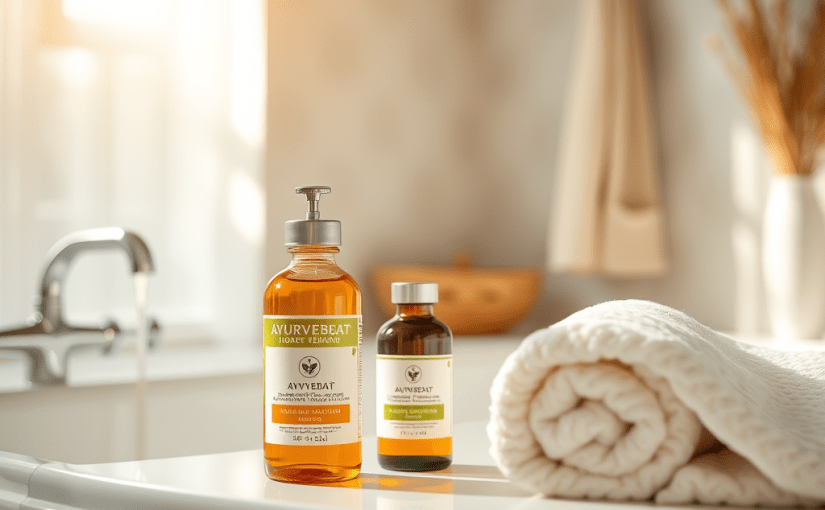
In Ayurveda, basti is one of the five main detox methods called Panchakarma. It focuses on cleansing the colon, which Ayurveda considers the home of Vata — the dosha responsible for all kinds of movement in the body and mind. When Vata is out of balance, people can feel anxious, constipated, dry, weak, or restless. Basti helps bring Vata back into balance. There are two types: Niruha basti, which uses a water-based herbal mixture, and Anuvasana basti, which uses warm medicated oil. When done in a small daily dose, the oil-based version is called Matra Basti, and that’s the one most suitable for home use.

Matra Basti is very simple. You warm about 30 to 60 ml of special Ayurvedic oil and insert it into the rectum using a syringe or soft enema bulb. You lie on your left side, bend your right knee, gently insert the nozzle and squeeze. Then you just relax and allow the oil to be absorbed. It doesn’t create an urge to go to the toilet. The oil gets absorbed by the colon and nourishes your nerves, calms your mind, and even improves digestion and sleep. This is a safe, gentle way to maintain health, especially for those who often suffer from constipation, gas, low energy, or stress.

However, it’s important to use clean and safe methods. If the syringe or nozzle is dirty, or if the oil is contaminated or expired, there is a small risk of infection. This is rare, but possible. Infection can also happen if you try basti while having bleeding piles, cuts near the anus, or active infections. To stay safe, always wash your syringe or enema bulb thoroughly with hot water before and after each use. If it’s a reusable one, you can even boil it occasionally. Use oil that is fresh, sealed, and from a reliable brand. Store it in a clean, dry place. Never try basti when you’re running a fever or feeling too weak. And avoid using basti if you have diarrhea or bleeding from the rectum, unless a doctor guides you. Your hands, towel, and the space where you lie down should all be clean. And never share your basti tools with anyone else.

Some people ask if they can use modern disposable enema kits from a medical store for Ayurvedic basti. The answer is yes, you can. Just throw away the chemical solution inside, wash the bottle and nozzle, and fill it with warm Ayurvedic oil. It becomes a perfect tool for doing Matra Basti at home. This is very useful for those who want to avoid full Panchakarma sessions or can’t visit an Ayurvedic clinic often.

Now, here’s where the confusion starts. Some people hear about basti in yoga traditions and think it means sitting in water and sucking it into the anus. That’s actually a different practice called yogic vasti. In this ancient technique, a trained yogi sits in a tub or river and uses abdominal control to suck water into the colon through the rectum. This requires mastery of Nauli, a technique that churns the belly muscles. The water is then expelled after a short time. It’s a deep cleansing kriya and not meant for beginners. It’s rarely practiced today except by highly trained yogis. But since both involve cleansing the colon, the names basti and vasti sometimes get mixed up.

In truth, both Ayurvedic basti and yogic vasti aim to purify the colon and help the body and mind. But their methods are very different. Yogic vasti needs special body control, no tools, and lots of training. Ayurvedic basti uses oils and syringes or enema tools, and is much easier to do regularly at home under some basic guidance. You could say yogic vasti is more like a natural suction method for cleansing, while Ayurvedic basti is more like a healing and nourishing method that also removes toxins.

In fact, it’s surprising that Ayurvedic basti isn’t already sold like allopathic enema kits. There should be a product where you get a bottle of basti oil and a soft reusable syringe in a box. That would make basti simple and accessible for everyone. It would be useful for elders, office workers, women after delivery, people with stress or poor sleep, or anyone feeling dried out and exhausted. Such a product would also save people from relying too much on chemical laxatives or stool softeners.

Some Ayurvedic brands do sell basti oils like Kshirabala or Balashwagandhadi Taila, but you usually have to buy the syringe separately. Still, this is a great way to start. You don’t need to be a yogi or a doctor. Just learn the basics, use clean tools, and follow a gentle approach. The benefits are deeper than just clearing your bowels. People feel grounded, less anxious, and more mentally peaceful after regular Matra Basti.

Another safety point to remember is that basti should not be done immediately after eating. Wait at least two to three hours after a meal. Also, avoid it during your menstrual period or if you’re already weak from illness. Always test the oil’s temperature before use — it should feel warm but not hot. If you ever feel pain, burning, or swelling after basti, stop immediately. And if fever or rectal discomfort appears, consult a doctor. Though such cases are rare, it’s better to be cautious. Basti is very safe when done properly, but as with any healing practice, a little care goes a long way.

To sum it up, basti in Ayurveda and vasti in yoga both have ancient roots and powerful health effects. But for most people today, Matra Basti using warm oil and a syringe is the safest, easiest, and most beneficial version. It can be done at home, especially in the evening, and it supports the nervous system, gut, and mind. If done correctly, it’s deeply healing. Yogic vasti, on the other hand, is more of a rare skill that belongs to advanced spiritual training.

If you’ve ever wondered about basti, or felt confused about the methods, now you know the full picture. With the right oil, a clean syringe, gentle technique, and some care, you can bring this timeless wisdom into your daily life — and experience the calm, clarity, and strength it offers.

Jal Neti vs Sutra Neti: Which is Right for You?

Many people who start yogic cleansing often ask: is Jal Neti enough, or does Sutra Neti have some special benefit? I used to wonder the same. After practicing both and learning from yogic texts and real experiences, here’s what I’ve found, explained in the most down-to-earth way possible.

Jal Neti, the more common method, is done using a Neti pot filled with lukewarm saline water. You tilt your head and pour the water in one nostril, letting it flow out from the other. This cleans out the dust, mucus, and pollution from your nose and sinuses. It’s gentle, easy, and great for everyday use. Especially if you suffer from colds, allergies, or live in a polluted area, Jal Neti can make a big difference. For most people, Jal Neti is fully enough.

Sutra Neti, on the other hand, is more advanced. It involves inserting a thin rubber catheter or medicated thread into one nostril and pulling it out from the mouth. It sounds scary at first, but with proper training, it can deeply clean the nasal passages and sinuses, especially when Jal Neti doesn’t work fully. It’s helpful in chronic sinusitis, nasal blocks, or when you’re into deeper yogic practices. But Sutra Neti is not a daily thing and should only be learned under expert guidance.

So, to put it simply: If you’re doing Neti for regular nasal cleaning or breathing ease, Jal Neti is enough. Sutra Neti is like a specialist tool — only needed when the problem is deeper or if you’re pursuing intense yogic paths.

Tips to Avoid Complications in Both Jal and Sutra Neti

Now, both these practices are powerful, but you must be careful. Here are some simple safety tips that you should never ignore.

For Jal Neti, always use lukewarm sterile water — boiled and cooled. Mix it with non-iodized salt, about half a teaspoon per glass. Lean forward, tilt your head sideways, and let the water flow gently from one nostril to the other. Keep your mouth open and breathe only through your mouth during the process.

The most important step after Neti is drying your nose. If water remains inside, it can lead to infection or a headache. So after Neti, gently blow your nose and do about 30 to 50 rounds of Kapalabhati (fast breathing). It may seem like a small thing, but this step alone saves you from many issues.

For Sutra Neti, never try it on your own the first time. It must be learned from a skilled teacher. The catheter should be smooth and lubricated with edible oil or ghee. Insert slowly, gently pull it through the mouth, and move it back and forth carefully. Don’t do it if you have a nose injury, cold, or recent nasal surgery.

Whether it’s Jal or Sutra Neti, always clean your equipment well and never share it with anyone.

What If You Do Suction Instead of Neti Pot?

Now here’s an interesting thing. Some people (like I did earlier) don’t use a Neti pot but instead suck water from their hand or fist into one nostril and let it flow out from the other or mouth. This method, while practiced by some, is not the safest. It’s often called suction Neti or active Neti.

Though it works for some, it has more risks. It can pull water into your ear tubes (Eustachian tubes), causing ear pain or infections. The suction may irritate your nose lining and cause burning. You must be extremely gentle if using this method. But the safest and most beginner-friendly way is always the gravity-based Neti pot.

What If Ear Infection Happens?

Let’s say you feel pain or pressure in the ear after Neti. Don’t panic — it can happen if water gets into the middle ear due to improper posture or drying.

First, stop Neti practice immediately. Keep your head upright and avoid lying down right away. You can apply a warm compress behind the ear, do gentle jaw movements, or try steam inhalation to relieve pressure. Don’t poke anything into the ear.

If the pain doesn’t go away in a day or two, or if you notice fever or fluid discharge, visit a doctor (preferably an ENT). They might prescribe mild antibiotics, painkillers, or decongestants.

To prevent this in future, always dry your nose properly after Neti and never do it forcefully. Also, avoid it when you have a cold or nasal congestion.

Can I Use Iodized Salt in Jal Neti?

No. Never use iodized table salt in Jal Neti. It can burn, irritate, or inflame your nasal lining. Iodine and anti-caking agents in it are not good for your nose. Instead, use non-iodized rock salt (sendha namak) or pure sea salt. These are natural and gentle.

If you accidentally use iodized salt once or twice, it might just sting a bit. But for regular practice, switch to the correct salt.

Rock Salt vs. Black Salt — Can Both Be Used?

This is another common doubt. Rock salt (sendha namak) is perfect for Jal Neti. It’s clean, unprocessed, and non-iodized. It’s what is traditionally recommended.

Black salt (kala namak) is completely wrong for Neti. It has sulfur, smells like eggs, and can seriously irritate the nose. It’s used in food or for digestion, not nasal cleansing. So always check the label — use only pure rock salt or Neti salt.


So that’s everything you should know — not just about Jal vs. Sutra Neti, but about real-life practice, safety tips, mistakes to avoid, and what to do if something goes wrong.

Jal Neti is a gift from yoga. Done correctly, it clears the mind, purifies the breath, and protects against pollution and sinus troubles. Just practice it with care, patience, and proper knowledge.

Non duality and Kundalini reinforces each other/अद्वैतभाव व कुंडलिनी एक दूसरे को पुष्ट करते हैं।

Bliss originates from non duality. Kundalini awakening is semifinal bliss. Enlightenment is final/supreme bliss. Therefore, Kundalini awakening and enlightenment, both proves to be the states of semifinal and final non duality respectively. Morning Kundalini yoga strengthens Kundalini. That in turn strengthens non duality. That in turn strengthens bliss. Similar system works after evening Kundalini yoga too, so tiredness fade away immediately. Similarly, Non dual action strengthens kundalini and bliss, both together for all these three live together.

After his glimpse enlightenment, Premyogi vajra had got profound non dual attitude. So Kundalini and bliss also used to accompany that powerfully along with.

आनंद अद्वैत से उत्पन्न होता है। कुंडलिनी जागरण में उच्चतम के निकट का आनंद अनुभव होता है। आत्मज्ञान में उच्चतम आनंद की स्थिति होती है। इससे सिद्ध होता है कि कुंडलिनी जागरण लगभग उच्चतम अद्वैत से संपन्न होता है, और आत्मज्ञान पूर्णतया उच्चतम अद्वैत से सम्पन्न होता है। प्रातः कुण्डलिनी योग कुंडलिनी को पुष्ट करता है। कुंडलिनी फिर अद्वैत को पुष्ट करती है। अंत में अद्वैत आनंद को बढ़ाता है। सांयकाल के कुंडलिनी योग से भी इसी सिद्धांत से थकान दूर होती है। इसी तरह, अद्वैतमयी क्रियाकलाप कुंडलिनी व आनंद, दोनों को पुष्ट करते हैं, क्योंकि ये तीनों गुण साथ-२ रहते हैं।

अपने क्षणिकात्मज्ञान के बाद, उसके प्रभाव से प्रेमयोगी वज्र में असीम अद्वैत उत्पन्न हो गया था। इससे कुंडलिनी व आनंद, दोनों भी प्रचंड रूप से स्वयं ही उसके साथ रहते थे।