My post

Kundalini is Rati and the pacification of lust by Kundalini is the marriage of Rati-Kamdeva

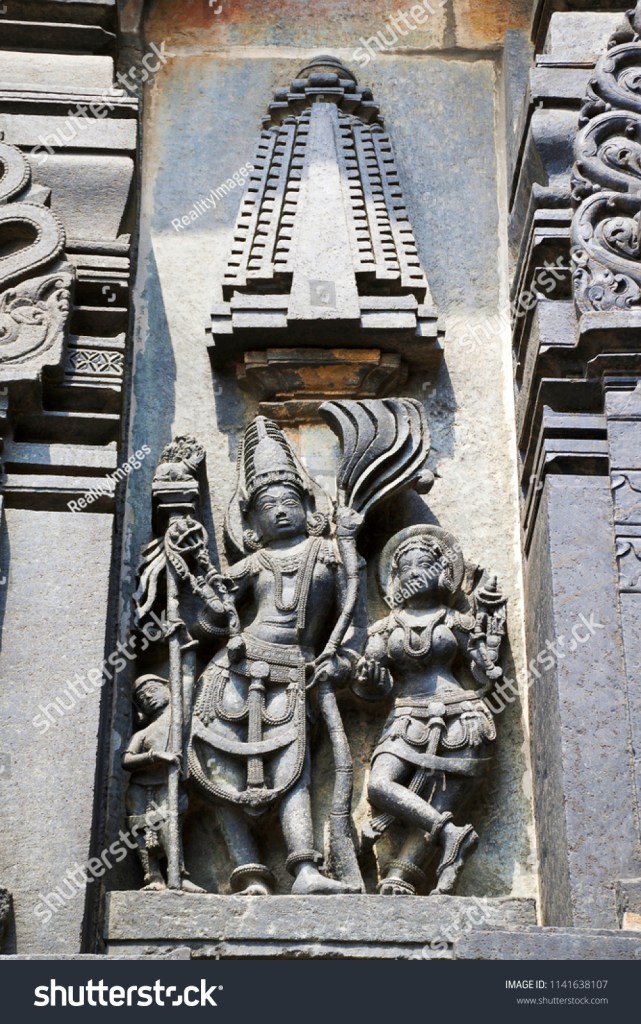
Rati-kamadeva

Friends, I have a habit of reading mystical literature every day. This keeps my right brain active, because it is difficult to apply logic to mystical stories. Our right brain is also like a mad or illogical man with a sluggish nature. The stories of Hindu Puranas are also like a puzzle. If they are understood, then the left brain becomes active, and if not, the right brain becomes active. Meaning that they always benefit in every situation. I have been able to identify the secret of one such plot this week. I read only one page of Shivpuran every day, in original Sanskrit and in Hindi. The fun of the original Sanskrit is something else. This week I have come across an important Tantric secret. I am sharing it here.

Lord Brahma curses Kamadeva and gives birth to Rati and them marries her to Kamadeva

When Brahma created Cupid or Kamadeva then he became proud of himself. He started testing his power on Brahma. Due to this, Brahma became enamored, praising the makeup of his own daughter and became attached to her. Actually this beautiful creation created by Brahma is his daughter. Cupid is also a symbol of indulgence here. Then Shiva stopped him. When Brahma came to know about Kamadeva’s actions, he cursed him saying that if he had to test his power, then why did he do it in front of his daughter. That curse was for Kamadeva to be burned to ashes by Shiva. Shiva is the god of tantra, lustful kamadeva is already ash in front of him. Then Brahma produced his another daughter named Rati from the sweat of his body. She was the most beautiful in the universe. Brahma married her to Kamadeva. Seeing her beauty, Kamadeva forgot his Mohini Vidya or deluding power.

Cupid is the lust of the human mind and Rati is Kundalini

It is also mentioned in the scriptures that even one should not meet his daughter and sister absolutely alone, because Kamadeva is very strong. So it is not surprising that Brahma had become attached to his daughter. To subdue his work, he practiced yoga hard. The drops of his sweat are a symbol of this relentless Kundalini-Yoga practice. The Kundalini which became active or awakened by Kundalini Yoga, is being called by the name of Rati. Kundalini has been given the name Rati because it is attained only by continuous involvement (rat in Sanskrit) in yoga. The word Rat is a major spiritual term like Dhyan Rat, Bhakti Rat etc. It also means absorbed. Kundalini is found only by being absorbed in someone’s love or meditation. The name Rati Krida or romantic play is also derived from this. Because both the mind and its most favored part, Kundalini, are strengthened by sex, that is why Kundalini is named Rati. This is explained in a metaphorical form, because in the olden days mystical knowledge was not directly made public. That’s why such techniques are called guhya vidya or confidential practices. The story of Kamadeva-Rati also reveals that the Creator of the universe remains untouched by the enticing charm of his beautiful creation only by the power of Kundalini yoga.

Kundalini in the form of Rati kept the lust of the gods and sages under her control

When the deities and sages came to know the secret that kundalini could control sex, they started practicing yoga regularly. That is why Kundalini in the form of Rati has been considered to be the most beautiful, because Cupid attracts the soul only towards beautiful material things. Cupid was defeated in front of Rati. It means Rati or Kundalini is the most beautiful. She is so beautiful that under her delusion, many people leave the world of very good household with heavenly wife and become sannyasins or renunciates. She stopped the business of Cupid. Kamadeva’s marriage to Rati means that just as a married man tied to a woman does not look at other women, similarly he too was tied by a Kundalini named Rati. A little explanation of this mystery has also been done there through a verse, in which it is written that Kamadeva used to hide his beloved Rati in his heart in such a way just as a yogi keeps his Brahma Vidya or enlightenment mantra hidden in his heart. Now the real Brahmavidya is Kundalini only, because she leads to Brahm or supreme formless God. Everyone sees a yogi in different circumstances, sometimes in happiness, sometimes in sorrow, sometimes in depression, sometimes in guilt, and sometimes in a state of euphoria. But they do not even recognize that Kundalini of his mind, which remains the same in all these states. Similarly, Rati always remains with Kamadeva, as both married together. Kama’s marriage to Rati also means practicing tantric yoga with social wife with ekpatnivrata or single wife always. According to Tantrayoga literature, first of all only Karma Yoga and simple Kundalini Yoga have to be practiced for many years. During that time the Kundalini named Rati is born, it grows, and reaches the sexual stage, which means it becomes very strong. Then she becomes eligible for marriage with kama or lust. It is only when the Kundalini becomes quite mature that there is the tantric ruling to do continued ordinary Kundalini yoga in a mixed form with sexual yoga. This is the marriage of Rati and Kama. If Rati’s child marriage is done prematurely with kama in haste, then there may be loss rather than profit. This is clearly warned in Tantrashastra. If a person harboring the married couple of kama-rati gets into the passion of sex, then people consider him to be ordinary sexually attached. They are unable to see that Rati standing with kama or lust, which is always beneficial. Many tantra yogis get harassed because of this reason. They come in innocence and try to perform Kama-Rati play, but people are able to see only Kama and not the Kundalini named Rati standing with him.

In fact, all indulgent cravings come in the realm of kama. Therefore Kundalini named Rati gets married to all of them and joins them. In the sense of kama, only sexual desire is taken because it is the main and most dominant of all indulgences.

Tantra yogis take the help of Kamadeva to create Rati

It is called hitting the enemy with the enemy’s own arrow. Cupid’s arrow is world famous. Tantra yogis provide additional strength to their Kundalini with the help of Panchamkaras. They actually transforms their energy mainly sexual energy into kundalini energy.

Scientific explanation of Rati-Kama marriage

The force of lust or kama increases blood circulation to the brain. That is why the mind becomes happy. If a man is a Kundalini yogi, it is obvious that the majority of his brain is interfered by Kundalini. In such a situation, if the blood circulation in the brain will increase, then only Kundalini will get the maximum benefit from it. Because Kundalini is in a way a mental picture of high definition resolution, it consumes a lot of life energy or prana. Due to this the storm of kama calms down effortlessly, blissfully and quickly.

कुंडलिनी ही रति है और कुंडलिनी के द्वारा कामवासना को शांत किया जाना ही रति-कामदेव का विवाह है

Rati-kamadeva

दोस्तों, मुझे प्रतिदिन रहस्यात्मक साहित्य पढ़ने की आदत है। इससे मेरा दायाँ मस्तिष्क क्रियाशील रहता है, क्योंकि रहस्यात्मक कथाओं में लॉजिक लगाना कठिन होता है। हमारा दायाँ मस्तिष्क भी एक सिरफिरे आदमी की तरह मस्त मलंग स्वभाव वाला होता है। हिन्दू पुराणों के कथा-कथानक भी एक पहेली की तरह होते हैं। यदि उन्हें बूझ गए, तो उससे बायाँ मस्तिष्क क्रियाशील हो जाता है, और यदि नहीँ तो दायाँ मस्तिष्क। मतलब कि वे हर परिस्थिति में फायदा ही करते हैं।ऐसे ही एक कथानक के रहस्य को मैं इस हफ्ते पहचान सका हूँ। मैं प्रतिदिन शिवपुराण का केवल एक पृष्ठ पढ़ता हूँ, मूल संस्कृत में और हिंदी में। मूल संस्कृत का मजा ही कुछ और है। इस हफ्ते मुझे एक महत्त्वपूर्ण तांत्रिक रहस्य हाथ लगा है। इसे मैं यहाँ साझा कर रहा हूँ।

ब्रह्मा द्वारा कामदेव को श्राप देना व रति को उत्पन्न करके उसका विवाह कामदेव से करना

जब ब्रह्मा ने कामदेव की उत्पत्ति की, तब कामदेव को अपने ऊपर गर्व हो गया। वह अपनी शक्ति का परीक्षण ब्रह्मा पर ही करने लगा। इससे ब्रह्मा कामविह्वल होकर अपनी ही पुत्री के श्रृंगार का गुणगान करते हुए उस पर आसक्त हो गए। दरअसल ब्रह्मा द्वारा रचित यह सुंदर सृष्टि ही उसकी वह पुत्री है। कामदेव यहाँ भोगेच्छा का प्रतीक भी है। फिर शिव ने उन्हें रोका। जब उन्हें कामदेव की हरकत का बोध हुआ तो उसे यह कह कर श्राप दे दिया कि यदि उसे अपनी शक्ति का परीक्षण ही करना था तो उनकी पुत्री के सामने ही क्यों किया। वह श्राप था कामदेव का शिवजी के द्वारा भस्म किए जाने का। भगवान शिव तंत्रयोग के सर्वोच्च शिरोमणि हैं, उनके आगे काम भस्मीभूत ही है। फिर ब्रह्मा ने अपने शरीर के पसीने से अपनी रति नाम की एक अन्य पुत्री को उत्पन्न किया। वह सृष्टि में सबसे सुंदर थी। उसका विवाह ब्रह्मा ने कामदेव के साथ कर दिया। कामदेव तो उसके सौंदर्य को देखकर अपनी मोहिनी विद्या को जैसे भूल ही गया।

कामदेव मनुष्य के मन की वासना है और रति कुंडलिनी है

शास्त्रों में भी आता है कि यहाँ तक कि अपनी बेटी और बहन से भी नितांत अकेले में नहीं मिलना चाहिए, क्योंकि यह काम बहुत प्रबल है। तो इसमें आश्चर्य नहीँ कि ब्रह्मा अपनी पुत्री पर आसक्त हो गए थे। उस काम को वश में करने के लिए उन्होंने कठिन योगाभ्यास किया। उनके पसीने की बूंदें इसी अथक कुंडलिनी-योगाभ्यास की प्रतीक हैं। उसी अथक कुंडलिनी योग से जो कुंडलिनी क्रियाशील या जागृत हुई, वही रति नाम से कही जा रही है। कुंडलिनी को रति नाम इसलिए दिया गया है, क्योंकि यह योग में निरंतर रत रहने से ही मिलती है। रत शब्द एक प्रमुख आध्यात्मिक शब्द है, जैसे ध्यान रत, भक्ति रत आदि। इसका अर्थ लीन भी है। कुंडलिनी किसी के प्यार में या ध्यान में लीन होकर ही मिलती है। रति क्रीड़ा नाम भी इसीसे बना है। क्योंकि कामक्रीड़ा से मन और उसका सबसे प्रिय अंश कुंडलिनी, दोनों प्रफुल्लित होते हैं, इसीलिए कुंडलिनी को रति नाम दिया गया है। यह रूपक के रूप में समझाया गया है, क्योंकि पुराने जमाने में रहस्यात्मक विद्याओं को सीधे तौर पर सार्वजनिक नहीँ किया जाता था। इसीलिए ऐसी कई विद्याओं को गुह्य विद्या भी कहते हैं। कामदेव-रति के कथानक से इस बात का भी पता चलता है कि सृष्टि रचयिता ईश्वर कुंडलिनी योगविद्या के बल से ही अपनी सुंदर रचना के मोहक आकर्षण से अछूता बना रहता है।

कुंडलिनी ने रति के रूप में देवताओं व ऋषियों की काम वासना को अपने नियंत्रण में रखा

जब देवताओं व ऋषियों को इस रहस्य का पता चला कि कुंडलिनी से कामवासना को नियंत्रण में रखा जा सकता है, तब उन्होंने नियमित योगाभ्यास करना शुरु कर दिया। इसीलिए उन्होंने रति के रूप में कुंडलिनी को सबसे सुंदर माना है, क्योंकि कामदेव केवल सुंदर भौतिक वस्तुओं की ओर ही जीव को आकृष्ट करवाता है। रति के आगे कामदेव हार गया। इसका मतलब है कि रति या कुंडलिनी सबसे सुंदर है। वह इतनी सुंदर है कि उसके बहकावे में आकर कई लोग अच्छी खासी गृहस्थी व चमक-दमक वाली दुनिया छोड़कर संन्यासी बन जाते हैं। उसने कामदेव का धंधा ही बंद कर दिया। कामदेव का रति से विवाह करने का अर्थ है कि जैसे एक शादीशुदा आदमी एक स्त्री से बंध कर अन्य स्त्रियों पर नजरें नहीँ डालता, उसी तरह वह भी रति नामक कुंडलिनी के द्वारा बाँध दिया गया।  इस रहस्य का थोड़ा स्पष्टीकरण भी एक श्लोक के माध्यम से वहीँ पर किया गया है, जिसमें लिखा गया है कि कामदेव अपनी प्रियतमा रति को अपने हृदय में ऐसे छुपा कर रखता था, जैसे एक योगी अपनी ब्रह्मविद्या को अपने हृदय में छिपा कर रखता है। अब वास्तविक ब्रह्मविद्या कुंडलिनी ही तो है, क्योंकि वही ब्रह्म तक ले जाती है। योगी को सभी लोग भिन्न-भिन्न परिस्थितियों में देखते हैं, कभी ख़ुशी में, कभी गम में, कभी अवसाद में, तो कभी प्रफुल्लित अवस्था में। पर वे लोग उसके मन की उस कुँडलिनी को पहचान ही नहीं पाते, जो उसकी इन सभी अवस्थाओं में एक जैसी ही बनी रहती है। इसी तरह रति से विवाहित कामदेव के साथ हमेशा रति बनी रहती है। रति से काम के विवाह का यह मतलब भी है कि एकपत्नीव्रत के साथ सामाजिक पत्नी के साथ तांत्रिक योगाभ्यास करना। तन्त्रयोग साहित्य के अनुसार भी कई वर्षों तक केवल कर्मयोग व साधारण कुंडलिनी योग का अभ्यास करना पड़ता है। उस दौरान रति नामक कुंडलिनी का जन्म होता है, वह बढ़ती है, और यौनावस्था में पहुंच जाती है, मतलब बहुत मजबूत हो जाती है। फिर वह काम के साथ विवाह के योग्य हो जाती है। कुंडलिनी के काफी परिपक्व हो जाने पर ही साधारण कुंडलिनी योग को यौनयोग के साथ मिश्रित रूप में करने का विधान है। यही रति और काम का विवाह है। यदि जल्दबाजी में समयपूर्व ही काम के साथ रति का बालविवाह कर दिया जाए, तो लाभ की अपेक्षा हानि भी हो सकती है। ऐसा तंत्रशास्त्र में साफ तौर पर चेताया गया है। यदि काम-रति के दाम्पत्य युगल से युक्त व्यक्ति काम के आवेश में आ जाए, तो लोग उसे साधारण कामासक्त मान लेते हैं। वे काम के साथ खड़ी उस रति को नहीं देख पाते, जो हमेशा कल्याणकारी होती है। बहुत से तंत्रयोगी इसी कारणवश प्रताड़ित हो जाते हैं। वे भोलेपन में आकर काम-रति का प्रदर्शन करने लगते हैं, पर लोग केवल काम को ही देख पाते हैं, उसके साथ खड़ी रति नामक कुंडलिनी को नहीँ।

दरअसल काम के दायरे में सभी भोग लालसाएँ आ जाती हैं। इसलिए रति नामक कुंडलिनी सबसे विवाह करके उनसे जुड़ जाती है। काम के अर्थ में केवल यौन लालसा को इसलिए लिया जाता है, क्योंकि यह सभी भोग लालसाओं में सबसे प्रभावशाली और मुख्य है।

तंत्रयोगी रति को पैदा करने के लिए कामदेव की ही सहायता लेते हैं

इसे कहते हैं, दुश्मन को दुश्मन के ही तीर से मारना। कामदेव का तीर जगत्प्रसिद्ध है। तंत्रयोगी पंचमकारों की सहायता से अपनी कुंडलिनी को अतिरिक्त मजबूती प्रदान करते हैं। वे दरअसल कामशक्ति को कुंडलिनी शक्ति में रूपांतरित कर देते हैं। 

काम-रति विवाह की वैज्ञानिक व्याख्या

काम के आवेश में मस्तिष्क की ओर रक्त संचार बढ़ जाता है। इसीलिए मन प्रफुल्लित हो जाता है। यदि कोई आदमी कुंडलिनी योगी है, तो जाहिर है कि उसके मस्तिष्क का अधिकांश हिस्सा कुंडलिनी ने अधिगृहीत किया हुआ है। ऐसे में यदि मस्तिष्क में रक्त संचार बढ़ेगा, तो इससे सबसे ज्यादा लाभ कुंडलिनी को ही मिलेगा। क्योंकि कुंडलिनी एक प्रकार से हाई डेफिनिशन रिसोल्यूशन का एक मानसिक चित्र ही है, इसलिए वह बहुत ज्यादा प्राण ऊर्जा का उपभोग कर लेता है। इससे काम का वेग अनायास और जल्दी ही आनन्द के साथ शांत हो जाता है।

कुंडलिनी के बिना विपश्यना या साक्षीभाव साधना या संन्यास योग करना कठिन व अव्यवहारिक प्रतीत होता है

कर्मयोग

दोस्तों, आजकल मेरे मानस पटल पर गीता के बारे में नित नए रहस्य उजागर हो रहे हैं। दरअसल पूरी गीता एक कुंडलिनी शास्त्र ही है। इसे युद्ध के मैदान में सुनाया गया था, इसीलिए इसमें विस्तार न होकर प्रेक्टिकल बिंदु ही हैं। व्यावहारिकता के कारण ही इसमें एक ही बात कई बार और कई तरीकों से बताई लगती है। मेरा शरीरविज्ञान दर्शन अब मुझे पूरी तरह गीता पर आधारित लगता है। हालांकि मैंने इसे स्वतंत्र रूप से, बिना किसी की नकल किए और अपने अनुभव से बनाया था। 

कुंडलिनी ही सभी प्रकार की योग साधनाओं व सिद्धियों के मूल में स्थित है

योगयुक्तो विशुद्धात्मा विजितात्मा जितेन्द्रियः। सर्वभूतात्मभूतात्मा कुर्वन्नपि न लिप्यते॥५-७॥
अपने मन को वश में करने वाला, जितेन्द्रिय, विशुद्ध अन्तःकरण वाला और सभी प्राणियों को अपना आत्मरूप मानने वाला कर्मयोगी कर्म करता हुआ भी उससे लिप्त नहीं होता है॥7॥
उपरोक्त सभी गुण अद्वैत के साथ स्वयं ही रहते हैं। अद्वैत कुंडलिनी के साथ रहता है। इसलिए इस श्लोक के मूल में कुंडलिनी ही है।

आजकल के वैज्ञानिक व तर्कपूर्ण युग में हरेक आध्यात्मिक उक्ति का वैज्ञानिक व तर्कपूर्ण दार्शनिक आधार होना जरूरी है

नैव किंचित्करोमीतियुक्तो मन्येत तत्त्ववित्।पश्यञ्श्रृण्वन्स्पृशञ्जिघ्रन्नश्नन्गच्छन्स्वपञ्श्वसन्॥५-८॥
तत्व को जानने वाला यह माने कि मैं कुछ भी नहीं करता हूँ । देखते हुए, सुनते हुए, स्पर्श करते हुए, सूँघते हुए, खाते हुए, चलते हुए, सोते हुए, साँस लेते हुए ॥8॥
सीधे तौर पर ऐसा मानना आसान नहीं है कि मैं कुछ नहीं कर रहा हूं। ऐसा मानने के लिए कोई वैज्ञानिक या दार्शनिक आधार तो होना ही चाहिये। ऐसा ही उत्तम आधार शरीरविज्ञान दर्शन ने प्रदान किया है। किसी दिव्य प्रेरणा से इसे बनाने की नींव मैंने तब डाली थी, जब क्षणिक व स्वप्नकालीन आत्मज्ञान के बहकावे में आकर मैं अपने काम से जी चुराने लग गया था। मैं अनायास ही संन्यास योग की तरफ बढ़ा जा रहा था। इससे मैं आसपास के संबंधित लोगों से भौतिक रूप से पिछड़ने लग गया था। इस दर्शन ने मुझे दुनियादारी की तरफ धकेला और मेरे कर्मयोग को सफल किया। इसमें वैज्ञानिक तौर पर सिद्ध किया गया है कि जो कुछ भी आदमी कर रहा है, वह सब हमारे शरीर में भी वैसा ही हो रहा है। जब हमारे शरीर में रहने वाले देहपुरुष अपने को कर्ता नहीं मानते तो हम अपने को कर्ता क्यों मानें। आदमी अपने अवचेतन मन के दायरे में समझे कि उस दार्शनिक पुस्तक के सूक्ष्म रूप की वर्षा हर समय उस पर हो रही है। अवचेतन मन से मैं इसलिए कह रहा हूँ, क्योंकि प्रत्यक्ष या चेतन मन तो दुनियादारी के काम में व्यस्त रहता है, उसे क्यों परेशान करना। उससे त्वरित व चमत्कारिक लाभ होते मैंने स्वयं देखा है। ऐसा चिंतन करते ही आनन्द के साथ कुंडलिनी प्रकट हो जाती है, और आदमी रिलेक्स फील करता है। इसका मतलब है कि इस श्लोक के आधार में भी कुंडलिनी ही है। इससे हम यह भी समझ सकते हैं कि दरअसल आदमी के मन की कुंडलिनी ही कर्ता और भोक्ता है, आदमी खुद नहीँ। 

यदि शरीरविज्ञान दर्शन के ऐसे चिंतन से मस्तिष्क में दबाव व जड़त्व सा लगे, तो दूसरा तरीका आजमाना चाहिए। इसमें शरीरविज्ञान दर्शन की ओर जरा सा ध्यान दिया जाता है, फिर समयानुसार हरेक परिस्थिति को इसका आशीर्वाद समझ कर स्वीकार कर लेना चाहिए, और प्रसन्न रहना चाहिए।।

सांख्ययोग या संन्यास योग विपासना या विटनेसिंग के समकक्ष है और कर्मयोग कुंडलिनी योग के समकक्ष

संन्यासः कर्मयोगश्चनिःश्रेयसकरावुभौ। तयोस्तु कर्मसंन्यासात्कर्मयोगो विशिष्यते॥५-२॥

श्री कृष्ण भगवान कहते हैं- कर्म संन्यास और कर्मयोग- ये दोनों ही परम कल्याण के कराने वाले हैं, पर इन दोनों में भी कर्मयोग कर्म-संन्यास से (करने में सुगम होने के कारण) श्रेष्ठ है॥2॥
कर्मयोग व कुंडलिनी योग, दोनों में कुंडलिनी अधिक प्रभावी होती है। इसमें संसार में परिस्थितियों के अनुसार प्रवृत्त रहते हुए कुंडलिनी को ज्यादा अहमियत दी जाती है। यह श्रेष्ठ है, क्योंकि इससे दुनियादारी भी अच्छे से चलती है। बहुत से सर्वोत्तम प्रकार के राजा व प्रशासक कर्मयोगी हुए हैं। संन्यास योग में विचारों के प्रति साक्षीभाव रखकर उन्हें विलीन किया जाता है। अधिकांशतः बुद्धिस्ट लोग इसी तरीके को अपनाते हैं, इसीलिए वे दुनिया से दूर रहकर मठों आदि में अपना ज्यादातर समय बिताते हैं। कई आधुनिक लोग भी अपनी थकान मिटाने के लिए इस तरीके का अल्पकालिक प्रयोग करते हैं।

यह श्लोक अर्जुन जैसे उन लोगों को देखते हुए बना था, जो अपने कर्तव्यों और उत्तरदायित्वों को छोड़कर साक्षीभाव साधना के नाम पर अकर्मक बनना चाहते थे। इस श्लोक ने ऐसे लोगों की आंख खोल दी। उन्हें इस श्लोक के माध्यम से बताया कि सबसे ज्यादा आध्यात्मिक लाभ कर्म करने से प्राप्त होता है, ज्ञानसाधना के नाम पर कर्म छोड़ने से नहीं। ज्ञानसाधना इतनी आसान नहीँ है। हर कोई बुद्ध नहीं बन सकता। यदि ज्ञानसाधना असफल हो जाए तो नरकप्राप्ति की जो बात शास्त्रों में कही गई है, वह सत्य प्रतीत होती है। वैसे तो कर्मयोग असफल नहीं होता। पर यदि किसी कुचक्र से विरले मामले में हो भी जाए तो भी कम से कम स्वर्ग मिलने की संभावना तो है ही, क्योंकि इसमें आदमी ने अच्छे कर्म किए होते हैं।

जो आध्यात्मिक लाभ विटनेसिंग साधना से प्राप्त होता है, वही कुंडलिनी साधना से भी प्राप्त होता है

यत्सांख्यैः प्राप्यते स्थानंतद्योगैरपि गम्यते। एकं सांख्यं च योगं च यः पश्यति स: पश्यति॥५-५॥
ज्ञानयोगियों द्वारा जो गति प्राप्त की जाती है, कर्मयोगियों द्वारा भी वही प्राप्त की जाती है इसलिए जो पुरुष ज्ञानयोग और कर्मयोग को (फल से) एक देखता है, वही ठीक देखता है॥5॥
इस श्लोक का मतलब है कि जो मुक्ति संन्यास योग या विपश्यना से मिलती है, वही कर्मयोग या कुंडलिनी योग से भी मिलती है। मुक्ति से यहाँ तात्पर्य बन्धनकारी विचारों से मुक्ति है। केवल यही आभासिक अंतर है कि विपश्यना या विटनेसिंग से वह मुक्ति ज्यादा प्रतीत होती है। क्योंकि विपश्यना-योगी के अंदर व बाहर, कहीं भी विचारों का तूफान नहीं होता, एक शांत झील की तरह। जबकि कर्मयोगी, समुद्र की तरह बाहर से तूफानी, पर अंदर से शांत होते हैं। यह श्लोक गीता का सर्वोत्तम श्लोक है। अध्यात्म का सम्पूर्ण रहस्य इसमें छिपा है। इसे मैंने खुद अनुभव किया है। कर्मयोग से ही मैं सांख्ययोग तक पहुंचा। यह अलग बात है कि मैं अब भी कर्मयोग को ही महत्त्व देता हूँ। साधारण लोगों को दोनों प्रकार के योग अलग-अलग दिखाई देते हैं, पर दोनों अंदर से एकसमान है, और एकसमान फल प्रदान करते हैं। कर्मयोग ज्यादा प्रभावी है। ऐसा इसलिए है क्योंकि जो विचारों की आनन्दमयी शून्यता संन्यास योग से प्राप्त होती है, वही कर्मयोग से भी प्राप्त होती है। इन दोनों में कर्मयोग की अतिरिक्त विशेषता यह है कि बेशक इसमें अंदर से मन की आनंदमयी व कुंडलिनीमयी शून्यता हो, पर बाहर से दुनियादारी के सभी काम सर्वोत्तम ढंग से होते रहते हैं। यह समुद्र की प्रकृति से मेल खाता है, बाहर से तूफानी, जबकि अंदर से शांत।

कई लोग कर्मयोग और संन्यास योग, दोनों के मिश्रण का प्रयोग करते हैं। वे काम के मौकों पर कर्मयोग पर ज्यादा ध्यान देते हैं, और काम के अभाव में संन्यास योग पर। मैंने भी इस तरीके को आजमाया था। पर मुझे लगता है कि पूर्ण कर्मयोग ही सर्वश्रेष्ठ है। वास्तव में काम की कमी कभी हो ही नहीँ सकती।

दुनियादारी में उलझे व्यक्ति के लिए विटनेसिंग साधना के बजाय कुंडलिनी साधना करना अधिक आसान है

संन्यासस्तु महाबाहो दुःखमाप्तुमयोगतः। योगयुक्तो मुनिर्ब्रह्मनचिरेणाधिगच्छति॥५-६॥

परन्तु हे वीर अर्जुन! कर्मयोग के बिना (कर्म-) संन्यास कठिन है और कर्मयोग में स्थित मुनि परब्रह्म को शीघ्र ही प्राप्त हो जाता है॥6॥
इस श्लोक का अभिप्राय है कि जब कर्मयोग या कुंडलिनी योग से कुंडलिनी जागरण हो जाता है, तभी हम विचारों का असली संन्यास कर सकते हैं। यदि कुन्डलिनी क्रियाशील भी बनी रहे, तो भी काम चल सकता है। कुंडलिनी जागरण दुनियादारी का उच्चतम स्तर है। इससे मन दुनिया से पूरी तरह तृप्त और संतुष्ट हो जाता है। इसलिए इसके बाद विचारों का त्याग करना बहुत आसान या यूँ कह सकते हैं कि स्वचालित या स्वाभाविक ही हो जाता है। इसके बिना, मन दुनिया में ही रमा रहना चाहता है, क्योंकि उसे इसका पूर्ण रस नहीँ मिला होता है। इसीलिए तो बहुत से बौद्ध भिक्षु व अन्य धर्मों के संन्यासी दुनिया से दूर रहकर एकांत में साधना करना अधिक पसंद करते हैं। इसीसे वे अपने मन को दुनिया के प्रलोभन से बचाकर रख पाते हैं। इससे विपश्यना या विटनेसिंग या संन्यास योग या सांख्ययोग के लिए कुंडलिनी क्रियाशीलता व कुंडलिनी जागरण के महत्त्व का साफ पता चलता है। विपासना, विपश्यना, विटनेसिंग, साक्षीभाव, संन्यास योग, सांख्ययोग, ज्ञानयोग, ये सभी पर्यायवाची शब्द हैं

श्रीमद्भागवत गीता की विस्मयकारी व्यावहारिकता

मुझे लगता है कि गीता के आध्यात्मिक सिद्धांतों को व्यावहारिक रूप से अपने दैनिक जीवन में लागू किया जाना चाहिए, अन्यथा मात्र इसे पढ़ने या इसके दैनिक जप करने से कोई विशेष फायदा प्रतीत नहीं होता। यदि कोई व्यक्ति कर्मयोग के रहस्य को व्यावहारिक रूप से समझता है, तो उसे बहुत ज्यादा पढ़ने की जरूरत नहीं है।

Kundalini as the basic scientific support for Vipassana or witnessing meditation for it seems difficult and impractical to be like renunciate without Kundalini

Friends, nowadays new secrets about Gita are being revealed in my mind. Actually the whole Gita is a Kundalini scripture. It was narrated on the battlefield, so it has practical points rather than detail. Due to practicality, the same thing seems to be told many times and in many ways. My philosophy of physiology named sharirvigyan darshan now seems to me to be completely based on the Gita. Although I made it independently, without copying anyone and from my own experience.

Kundalini is at the root of all types of yoga

योगयुक्तो विशुद्धात्मा विजितात्मा जितेन्द्रियः। सर्वभूतात्मभूतात्माकुर्वन्नपि न लिप्यते॥५-७॥
He, who has controlled his mind, subdued his senses, is of the very pure mind and considers the Self all the beings as his Self; even though performing actions, does not get bound (tangled) . ॥7॥

All the above qualities remain with Advaita or nonduality itself. Advaita lives with Kundalini. Therefore Kundalini is at the root of this verse.

In today’s scientific and rational era, every spiritual utterance should have a scientific and rational philosophical basis


नैव किंचित्करोमीतियुक्तो मन्येत तत्त्ववित्।पश्यञ्श्रृण्वन्स्पृशञ्जिघ्रन्नश्नन्गच्छन्स्वपञ्श्वसन्॥५-८॥
The seeker of the truth should think – ‘I do nothing at all’.  Seeing, hearing, touching, smelling, eating, going, sleeping, breathing , ॥8॥

It’s not easy to just feel like I’m not doing anything. There must be some scientific or philosophical basis for this belief. Such an excellent basis has been provided by the philosophy of physiology or sharirvigyan darshan as said above. I had laid the foundation of making it with some divine inspiration, when, under the guise of momentary and dreamy self-realization, I began to steal my mind from my work. I was involuntarily moving towards Sanyas Yoga. This left me physically behind the rest of the nearby surrounding world. Then it pushed me towards worldliness and made my Karma Yoga successful. In this scientific philosophy, it has been proven that whatever man is doing, the same is happening in our body as well. When the living people in our body do not consider themselves to be doers, then why should we consider ourselves to be doers. One should understand within the realm of his subconscious mind that the subtle form of that philosophical book is raining on him all the time. I am saying this to the subconscious mind because the direct or conscious mind is busy in the work of worldliness, why disturb it. I myself have seen quick and miraculous benefits from it. With such contemplation, Kundalini appears with joy, and one feels relaxed. This means that there is only Kundalini at the base of this verse. From this, we can also understand that in fact the Kundalini of man’s mind is the doer and the consumer, not the man himself.

If such contemplation of philosophy of physiology causes pressure and inertia in the brain, then another method should be tried. In this, a little attention is paid to the philosophy of physiology, then according to the time, every situation should be accepted as its blessing, and one should be happy.

Sankhya Yoga or Sannyas (renunciation) Yoga is equivalent to Vipassana or Witnessing and Karmayoga is equivalent to Kundalini Yoga

संन्यासः कर्मयोगश्चनिःश्रेयसकरावुभौ। तयोस्तु कर्मसंन्यासात्कर्मयोगो विशिष्यते॥५-२॥
The Lord Krishna says – Renunciation and pursuance  of action both lead to the highest bliss; but, of the two, pursuance of action is better than their renunciation. ॥2॥ 

Kundalini is more effective in both Karma Yoga and Kundalini Yoga. In this, more importance is given to Kundalini as compared to rest of the world. This is an excellent way, because with this the worldliness also runs very well. Many of the best types of kings and administrators have been karma yogis. In sannyasa yoga, by keeping a witnessing attitude to the thoughts, they are dissolved. Many Buddhist people and other tradition renunciates adopt this method, that is why they have to stay away from the world and spend most of their time in monasteries etc. Many modern people also make short-term use of this method to relieve their stress.

The spiritual benefits that are obtained from Witnessing Sadhana are also obtained from Kundalini Sadhana as well


यत्सांख्यैः प्राप्यते स्थानंतद्योगैरपि गम्यते। एकं सांख्यं च योगं चयः पश्यति स: पश्यति॥५-५॥
That state which is attained by renouncing the actions is also attained by those who pursue actions. He, who sees both as the same, sees correctly. ॥5॥

This is the excellent and topmost verse in the Geeta. I have myself experienced this same and it’s the topmost saying from me too. This verse means that the liberation or spiritual growth which is attained by Sannyasa Yoga or Vipassana, is also attained by Karma Yoga or Kundalini Yoga as well. The only difference is that it appears more with Vipassana or Witnessing. Because there is no storm of thoughts anywhere when viewed from inside as well as outside of the Vipassana Yogi, just like a peaceful lake. While the Karmayogis are calm from inside but stormy from outside like the sea. That’s why these two appear different from each other to worldly people whereas both of these are one and the same thing in real essence. I reached upto the level of sankhya yoga after crossing the minimum required threshold level of karmayog. However, it’s other thing that l still give more importance to worldly oriented karmayoga. The additional feature of Karmayoga among these two is that, of course, in it there is blissful and Kundalini filled emptiness of mind from inside, but from outside all the work of worldly nature continues to be done in the best way. It just matches to the nature of ocean, stormy from outside whereas peaceful from inside.

This verse was made for people like Arjuna who wanted to leave their duties and responsibilities and become intransitive in the name of witnessing meditation. This verse opened the eyes of such people. They were told through this verse that the highest spiritual benefit is obtained by doing karma, not by giving up karma in the name of spiritual practice. Knowledge meditation is not that easy. Not everyone can become a Buddha. If the practice of knowledge fails, then the hell may be there as per scriptures. By the way, Karma Yoga does not fail. But even if it happens in a rare case due to some vicious circle, then one atleast gets temporary heaven, because in this, man has done good deeds.

Many people use a mixture of both Karma Yoga and renunciation Yoga. They focus more on karma yoga on work occasions, and on sannyasa yoga in the absence of work. I also tried this method. But I think that complete Karmayoga is the best. In fact, there can never be a shortage of work.

It is easier for a person entangled in worldliness to do Kundalini sadhana than to do Witnessing sadhna

संन्यासस्तु महाबाहो दुःखमाप्तुमयोगतः। योगयुक्तो मुनिर्ब्रह्मनचिरेणाधिगच्छति॥५-६॥
But, O mighty-armed Arjun, it is hard to attain renunciation of actions before practicing their pursuance. A sage established in pursuance of actions attains Brahman soon. ॥6॥

This verse means that when Karma Yoga or Kundalini Yoga leads to Kundalini awakening, then only we can make real renunciation of thoughts. Sustained kundalini activation can also do the same job. Kundalini awakening is the highest level of worldliness. This makes the mind fully satisfied and fulfilled with the world. So after that, it is very easy or it can be said that it becomes automatic or natural to give up thoughts. Without it, the mind wants to remain in the world, because it has not got its full juice. That is why Buddhist monks prefer to practice in solitude while staying away from the world. Due to that, they are able to keep their mind away from the temptation of the world. This clearly shows the importance of Kundalini activity and Kundalini awakening for Vipassana or Witnessing or Sannyas Yoga or Samkhya Yoga. Vipasana, vipashyana, witnessing, sannyas yoga, jnana yoga, and samkhya yoga, all of these are synonyms to each other.

Amazing practicality of shrimadbhagvad Gita

I suppose that spirituo-scientific principles of Gita should be practically applied in our daily lives otherwise there appears no special benefit in merely reading or daily chanting it. If a person understands the secret of Karmayoga practically, then he does not need to read too much.

कुंडलिनी ही आध्यात्मिक मुक्ति के लिए पर्याप्त प्रतीत होती है

श्रीमद्भागवत गीता

मित्रों, मैंने पिछ्ली पोस्ट में ऑनलाइन गीता से संबंधित एक महत्त्वपूर्ण पोस्ट डाली थी। उसमें कुंडलिनी योग का पूरा रहस्य किस तरह गीता के दो श्लोकों में छिपा हुआ है, यह बताया गया था। आज मैं इस पोस्ट में गीता में छिपा दूसरा योग रहस्य साझा कर रहा हूँ। 

गीता के पांचवें अध्याय के 18वें व 19वें श्लोक में आध्यात्मिक मुक्ति का रहस्य छिपा हुआ है

विद्याविनयसंपन्ने ब्राह्मणे गवि हस्तिनि। शुनि चैव श्वपाके च पण्डिताः समदर्शिनः॥५-१८॥
ऐसे ज्ञानी जन विद्या और विनययुक्त ब्राह्मण में, गाय में, हाथी, कुत्ते और चाण्डाल को समान देखते हैं॥18॥

इहैव तैर्जितः सर्गो येषां साम्ये स्थितं मनः। निर्दोषं हि समं ब्रह्म तस्माद्ब्रह्मणि ते स्थिताः॥५-१९॥
जिनका मन सम भाव में स्थित है, उनके द्वारा यहाँ संसार में ही लय(मुक्ति) को प्राप्त कर लिया गया है; क्योंकि ब्रह्म निर्दोष और सम है, इसलिए वे ब्रह्म में ही स्थित हैं॥19॥

उपरोक्त दोनों श्लोकों से स्पष्ट होता है कि आध्यात्मिक मुक्ति के लिए न तो कुंडलिनी जागरण की आवश्यकता है और न ही आत्मज्ञान की। मुक्ति तो केवल समदर्शिता या अद्वैत से ही मिलती है। तो फिर लोग अद्वैत को छोड़कर आध्यात्मिक जागृति की तरफ ही क्यों भागते हैं। यह इसलिए क्योंकि जागृति के बाद अद्वैतभाव को बना कर रखना थोड़ा आसान हो जाता है। पर ऐसा थोड़े समय, लगभग 3-4 सालों तक ही होता है। उसके बाद आदमी अपने आध्यात्मिक जागरण को काफी भूलने लग जाता है। यदि विभिन्न आध्यात्मिक तरीकों से उच्च कोटि के अद्वैत को निरंतर बना कर रखा जाए, तो वह जागरण के तुल्य ही है। विभिन्न कुंडलिनी साधनाओं से यदि कुंडलिनी को क्रियाशील रखा जाए तो अद्वैत भाव निरंतर बना रहता है, क्योंकि जहाँ कुंडलिनी होती है, वहाँ अद्वैत रहता ही है। कुंडलिनी जागरण के समय पूर्ण अद्वैत भाव व आनन्द की अनुभूति भी यही सिद्ध करती है कि जहाँ कुंडलिनी है, वहाँ अद्वैत या समदर्शिता और आनन्द भी है। इससे यह भी सिद्ध होता है कि बेशक गीता में कुंडलिनी का नाम न लिया गया हो, पर गीता एक कुंडलिनीपरक शास्त्र ही है।

कुंडलिनी या कुंडलिनी जागरण में से किसको ज्यादा अहमियत देनी चाहिए

कुंडलिनी को ही ज्यादा अहमियत देनी चाहिए। क्योंकि यदि कुंडलिनी क्रियाशील बनी रहती है, तो कुंडलिनी जागरण की ज्यादा आवश्यकता नहीँ। यदि वह हो जाए तो भी अच्छा, और यदि न होए तो भी अच्छा। वैसे भी समय आने पर कुंडलिनी जागरण अपने आप हो ही जाता है, यदि कुंडलिनी साधना निरंतर बना कर रखी जाए। पर यदि आदमी कुंडलिनी साधना को छोड़कर दिग्भ्रमित हो जाए, और कुंडलिनी जागरण के चित्र-विचित्र क्रियाओं के पीछे भागने लगे, तो इसकी पूरी संभावना है कि उसे न तो कुंडलिनी मिलेगी और न ही कुंडलिनी जागरण। वैसे भी, कुंडलिनी जागरण के बाद भी कुंडलिनी साधना को निरंतर रूप से जारी रखना ही पड़ता है। तो फिर क्यों न जागरण से पहले भी उसे निरन्तर जारी रखा जाए। इससे जाहिर होता है कि असली शक्ति तो कुंडलिनी क्रियाशीलता में ही है। कुंडलिनी क्रियाशीलता मतलब कुंडलिनी भाव के साथ आदमी की जगत में पूर्ण व्यावहारिक व मानवीय क्रियाशीलता बनी रहना। जागरण तो केवल कुंडलिनी साधना के प्रति अटूट विश्वास पैदा करता है, और निरन्तर उसे बनाकर रखवाता है। ऐसा इसलिए होता है क्योंकि कुंडलिनी जागरण कुंडलिनी की आध्यात्मिक शक्ति का साक्षात वैज्ञानिक प्रमाण है। कुंडलिनी जागरण की दूसरी कमी यह है कि उसे प्राप्त करने के लिए आदमी का स्वस्थ व जवान होना बहुत जरूरी है। ऐसा इसलिए है क्योंकि कुंडलिनी जागरण के लिए बहुत अधिक प्राणशक्ति की आवश्यकता पड़ती है। इसका मतलब है कि दुनियादारी में डूबे हुए, वृद्ध और बीमार लोगों को कुंडलिनी जागरण होने की संभावना बहुत कम होती है। पर वे कुंडलिनी साधना का लाभ उठा सकते हैं। एक तथ्य और है कि कुंडलिनी जागरण उस समय होता है, जिस समय आदमी को न तो उसे प्राप्त करने की इच्छा हो, औऱ न ही उसके प्राप्त होने की उम्मीद हो। इसलिए कुंडलिनी साधना से कुंडलिनी क्रियाशीलता बनाए रखना ही पर्याप्त है। उपरोक्त सभी तथ्यों व सिद्धांतों को शरीरविज्ञान दर्शन नामक पुस्तक में वैज्ञानिक, व्यावहारिक व अनुभवात्मक तौर पर समझाया गया है।

Kundalini appears sufficient for spiritual liberation

Friends, I had put an important post related to Gita online last week. In it, how the whole mystery of Kundalini Yoga is hidden in the two verses of the Gita, it was told. Today I am sharing the second yoga secret hidden in the Gita in this post.

In the 18th and 19th verses of the fifth chapter of the Gita, the secret of spiritual liberation is hidden

विद्याविनयसंपन्नेब्राह्मणे गवि हस्तिनि।शुनि चैव श्वपाके चपण्डिताः समदर्शिनः॥५-१८॥
Such wise men as a Brahmana with wisdom and humility, see a cow, an elephant, a dog and an outcaste, as the same. ॥18॥
इहैव तैर्जितः सर्गोयेषां साम्ये स्थितं मनः।निर्दोषं हि समं ब्रह्मतस्माद्ब्रह्मणि ते स्थिताः॥५-१९॥
With their mind established in this equality, they have attained liberation on this earth itself . As this Brahman(Self) is faultless and homogeneous, indeed they rest in this Brahman (Self). ॥19॥
It is clear from both the above verses that neither Kundalini awakening nor enlightenment is required for spiritual liberation. Salvation comes only from sameness of mind or advaita. Then why do people leave Advaita and run towards spiritual awakening. This is because after awakening it becomes a little easier to maintain non duality. But this happens only for a short time, about 3-4 years. After that, the man begins to forget his spiritual awakening. If high quality advaita is maintained continuously with various spiritual ways, it is equal to awakening. If Kundalini is kept active with various Kundalini practices, then the advaita bhava remains constant, because where the Kundalini is there, there remains the advaita. At the time of awakening of the Kundalini, the feeling of complete Advaita sentiment and bliss also proves that where there is Kundalini, there is also Advaita or non duality or sameness and bliss. This also proves that the name of Kundalini is not mentioned in the Gita, of course, but the Gita is a pro-Kundalini Shastra.

should one give more importance to Kundalini or Kundalini awakening

Kundalini should be given more importance. Because if Kundalini remains active, there is not much need for Kundalini awakening. Good even if it happens, and good even if it doesn’t. Anyway, when the time comes, the Kundalini awakening happens automatically, if the Kundalini cultivation is maintained continuously. But if a man leaves Kundalini Sadhana and becomes confused, and starts following the bizarre ways for kundalini awakening, then it is very likely that he will neither get Kundalini nor Kundalini awakening. Anyway, even after Kundalini awakening, Kundalini practice has to be continued constantly. Then why not continue it even before the awakening. This shows that the real power is only in the Kundalini activity. Kundalini functionality or activity means full fledged, practical and humanly worldly activities together with Kundalini sentiment. Awakening only instills unwavering faith in Kundalini cultivation, that keeps it maintained. This happens because Kundalini awakening is the scientific proof of the spiritual power of Kundalini. The second drawback of Kundalini awakening is that to get it, it is very important for a man to be healthy and young. This is because a lot of life force or prana is required for Kundalini awakening. This means that older, sick and worldly over indulged people are much less likely to have Kundalini awakening. But they can take advantage of Kundalini practice. Another fact is that Kundalini awakening happens at a time when man neither has the desire to achieve it, nor is he expected to achieve it. Therefore, it is sufficient to maintain Kundalini activity through Kundalini practice. All the above facts and principles have been explained scientifically, practically and experientially in a book called Sharirvigyan darshan in Hindi and a book named Love story of a Yogi in English.

Kundalini Yoga in Shrimad Bhagwat Gita

Sung by Shrikrishna

Friends, a friend started sending me online Geeta on WhatsApp a few days ago. One shloka is sent daily in the morning and one in the evening. I found a lot of material in it which was related to Kundalini and Advaita. There are some points about which there also seems to be confusion in the society. By the way, I have received the rites of Geeta from my childhood. My grandfather’s name used to start with Geeta, and he was very fond of Geeta. I too had read the detailed commentary on the Gita. But there is a lot of difference between reading and heeding.

Description of Tantric Kundalini Yoga in the 29th verse of fourth chapter of Gita

💐भागवत गीता अध्याय-4💐अपाने जुह्वति प्राणं प्राणेऽपानं तथापरे। प्राणापानगती रुद्ध्वा प्राणायामपरायणाः॥४-२९॥

Some offer prana (incoming breath) in apana (outgoing breath) and others apana in prana. Some others who practice Pranayama (restraint of breath) stop the flow of prana and apana – ॥29॥

The first line of this shloka literally means that some yogis perform havan or sacrifice of prana vayu in apana vayu or air, means they burn prana into apana. Prana Vayu prevails above the chest in the body. Apan Vayu pervades the areas of the Swadhisthana Chakra and Muladhara Chakra. When meditation is done together on the agya chakra, the swadisthana chakra and the mooladhara chakra, then the prana and the apana are gathered together on the swadhisthana chakra. This causes the Kundalini to shine on the Swadhisthana Chakra. In yoga, at place of Swadhisthan, Manipur Chakra is also kept. Then prana and apana are burned on the samana air. Even then, it is called a offering of prana in apana, because apana is closer to naval than prana. Samana air prevails in naval area. Many times meditation of the single chakra, sahasrara or ajna chakra is done. Then a slight meditation is turned to the Swadhisthana Chakra or Muladhara Chakra. This brings down the prana from these top two chakras, and it becomes the part of apana. In a way, apana eats prana, just as fire consumes wood or other ingredients of yajna. That is why the offering of prana in apana is written here. Rajyogi type people do this offering more to get well worldly grounding for they have plenty of energy in top chakras due to their thinking nature.

The second line of this verse literally means that some other people perform burning of apana into prana fire. When the Ajna Chakra, the Anahata Chakra and the Mooladhara or Swadhisthana Chakra are meditated together, then the prana (upper air) and the apana (lower air) gather on the Anahata Chakra. Because there is prana on the Anahata Chakra along with the ajna Chakra, that is why it is said that the apana is poured on to prana fire to burn it. In this too many times only two chakras are meditated. At first mooladhara or swadhisthana chakra is meditated upon. Then a slight meditation is diverted towards the Sahasrara or ajna cycle. With this, the apana climbs up from the bottom chakras through backbone channel and joins the prana. It is written as the offering of apana in prana. Keep in mind that it’s Kundalini that’s felt in the form of Prana or Apana. Tantric type well ground people do this type of offering more for they have plenty of energy at bottom chakras. They get mental energy necessary for kundalini activation and awakening with this.

The word by word meaning in the third and fourth line is that people who do pranayama or breathing exercises do this (havan or prana yajna) by stopping the movement of prana and apana, meaning stopping the inbreathing and out breathing respectively. It is most important in yoga. Actually, it’s the real or main Yoga. Prana-apana union is the heart of Yoga. Other activities are only its supportive means. While breathing in, the prana goes up through the spine. Kundalini also accompany it. Expiration or out breathing means that while exhaling, Prana descends through the front channel, which means that it reinforces apana. With this the Kundalini also comes down. Then again it rises up through the rear channel with inbreathing. This cycle goes on. Due to this, Kundalini is not able to remain stable at one place, due to which it is not properly meditated. We cannot stop prana, because it is a subtle energy flowing in the channels. Yes, we can stop pranavayu or breath, to which prana is connected. In this way, breath acts as a handle for prana. When the breath is stabilized by holding the breath, then we can give prana or kundalini a carefully controlled motion. While breathing, we cannot control prana or kundalini much with meditation, because the breath keeps making it dance here and there. Prana and Kundalini climb up through the channel of the back with the breath going in, and with the breath going out, they descend through the front channel. By stopping the breath, both prana and kundalini stop. When the Kundalini stops, the mind also becomes static, because Kundalini is an experimental part of the mind. We cannot control the whole mind together, that’s why an experimental piece or sample piece of it is taken in the form of Kundalini. For this reason, after Kundalini Yoga, one feels joy with stability and peace of mind. Prana is one and same everywhere in body. For the sake of explaining according to the place of activity, it has been divided into different parts, which is prana, apana etc. By holding the breath to interpose Prana and Apana on a Chakra, Imagine on Manipur Chakra, the main meditative focus is kept on the Manipur Chakra and also the Slant or minor Meditative mind is placed on the ajna Chakra and Muladhara chakra. Due to this, the life force or prana between ajna chakra and manipura chakra come down and the apana situated below the manipura chakra come up and both clash with each other on the Manipur Chakra. This exposes the Kundalini there. On each chakra, both of the prana and apana are drawn once by exhaling and holding breath there, and once by inhaling and holding breath there. It should be kept in mind that the breath should not be held for more than one’s easily tolerable point of time. Breaking one’s tolerance limit can cause brain damage.

Keeping hands on the middle chakra helps in focusing. Similarly, while sitting in Siddhasana, one feels a sense of pressure on the base chakra by the heel of one foot, and on the Swadhisthana Chakra with the other foot. This sensation also helps in meditation of the chakra. But remember that full Siddhasana sometimes causes knee pain, especially in the knee of the upper leg whose heels touch the swadisthana chakra. Therefore, Ardha or half Siddhasana should be applied in such condition. In this, only the heel of one leg touches the Muladhara Chakra. The second leg rests comfortably on the ground, not just above the first leg. Long-term neglect of knee pain also increases their chances of worsening.

Formulation of Raja Yoga in the 30th verse of the fourth chapter of the Gita

💐भागवत गीता अध्याय-4💐
अपरे नियताहाराः प्राणान्प्राणेषु जुह्वति। सर्वेऽप्येते यज्ञविदोयज्ञक्षपितकल्मषाः॥४-३०॥
taking regulated food, offer (vital airs) prana in prana. All these seekers are knowers of (Yagya) sacrifice and destroy their sins by performing it. ॥30॥

This shloka literally means that people with regular dieting habits offer or sacrifice pranas in to pranas. All these seekers are going to destroy sins and know yajnas of knowledge. Yogis with regular dieting habits and satvic lifestyle are Rajyogis. These are not having tantric and open lifestyle so these do not take shelter of the Panchamakaras or 5Ms. Therefore, the chakras located in the lower parts of their body are weak, due to lack of prana or apana. They meditate on the Kundalini in the chakras of the upper part of body, starting from the brain up to the heart chakra. They mainly form a triangle of meditation. One point of that triangle is the Sahasrara Chakra, the second point is the front ajna chakra, and the third point is the rear ajna chakra. This involves direct or main meditative focus on one point, especially on the front ajna, and slant or secondary meditation focus on the other two chakras. The points can also be interchanged. Similarly, triangle can also be formed by taking other chakras. The prana from all these three points of triangle gather at that point where main meditative focus is maintained and Kundalini starts glowing there. The point of the top in these triangles is mostly the Sahasrara Chakra. Actually, triangle is made to centralize or concentrate the prana on its lines from nearby areas all-around. One can’t meditate large area together. For further concentration of prana situated on triangle, its three conical points are chosen. Prana on these three points is further concentrated on to single point through keeping main meditative focus on it. In the last, we get highly concentrated prana on that single point along with Kundalini there. Similarly, the same happens with the straight line, imagine a line connecting Muladhara, Manipur and ajna chakra points. The prana of the body around line is centered on the line through little meditation. Then the prana of the line is centered on these three connected chakra points. Then the prana of all the three points is gathered on that chakra point, on which the main meditative focus is kept. Secondary or oblique meditative focus is put on both other points. It’s a wonderful spiritual psychology.

Prana-apana union in Christianity

The living Jesus answered and said : “Blessed is the man who has known these things. He has brought heaven down, he has lifted the earth and has sent it to heaven, and he has become the Midst for it is nothing.” I suppose the heaven is Prana that’s brought down as described above. Similarly, earth is Apana that’s lifted up. Midst is the union of both. Nothing produced there is kundalini produced along with mental stasis that comes accompanied with nonduality. Nonduality with mental stasis is equivalent to nothing. Prana is called heaven because it resides in the upper chakras of the body, and the upper chakras have the same nature as the heavenly realms, and are also depicted so in many places. Likewise, Earth is called Apana because apana pervades the lower chakras of the body, especially the base chakra. These lower chakras are also referred to as substandard or hellish realms. Muladhara is given the metaphor of the earth, because by its meditation man is well connected to the ground or physical dimension, that is, it provides man with a base. That is why its name is made by adding the words root (mool) and base (adhar). The earth also provides the greatest base for living and standing. Source of this codex can be accessed at following link-

The Gaian Mysteries Of Gnosis – The Bruce Codex

कुंडलिनी योग का निरूपण करती हुई श्रीमद्भागवत गीता

श्रीकृष्णेन गीता

मित्रों, एक मित्र ने मुझे कुछ दिनों पहले व्हाट्सएप पर ऑनलाइन गीता भेजना शुरु किया। एक श्लोक सुबह और एक शाम को प्रतिदिन भेजता है। उसमें मुझे बहुत सी सामग्री मिली जो कुंडलिनी और अद्वैत से सम्बंधित थी। कुछ ऐसे बिंदु भी मिले जिनके बारे में समाज में भ्रम की स्थिति भी प्रतीत होती है। वैसे तो गीता के संस्कार मुझे बचपन से ही मिले हैं। मेरे दादाजी का नाम गीता से शुरु होता था, और वे गीता के बहुत दीवाने थे। मैंने भी गीता के ऊपर विस्तृत टीका पढ़ी थी। पर पढ़ने और कढ़ने में बहुत अंतर होता है।

गीता के चौथे अध्याय के 29वें श्लोक में तांत्रिक कुंडलिनी योग का वर्णन

अपाने जुह्वति प्राणं प्राणेऽपानं तथापरे।प्राणापानगती रुद्ध्वा प्राणायामपरायणाः॥४-२९॥

इस श्लोक की पहली पंक्ति का शाब्दिक अर्थ है कि कुछ योगी अपान वायु में प्राणवायु का हवन करते हैं। प्राण वायु शरीर में छाती से ऊपर व्याप्त होता है। अपान वायु स्वाधिष्ठान चक्र और मूलाधार चक्र के क्षेत्रों में व्याप्त होता है। जब आज्ञा चक्र, स्वाधिष्ठान चक्र और मूलाधार चक्र पर एकसाथ ध्यान किया जाता है, तब स्वाधिष्ठान चक्र पर प्राण और अपान इकट्ठे हो जाते हैं। इससे स्वाधिष्ठान चक्र पर कुंडलिनी चमकने लगती है। योग में स्वाधिष्ठान की जगह पर मणिपुर चक्र को भी रखते हैं। फिर प्राण और अपान का हवन समान वायु में होता है। फिर भी इसे अपान में प्राण का हवन ही कहते हैं, क्योंकि अपान वहाँ से प्राण की अपेक्षा ज्यादा नजदीक होता है। कई बार एक ही चक्र का, सहस्रार का या आज्ञा चक्र का ध्यान किया जाता है। फिर हल्का सा ध्यान स्वाधिष्ठान चक्र का या मूलाधार चक्र का किया जाता है। इससे ऊपर का प्राण नीचे आ जाता है, और वह अपान बन जाता है। एक प्रकार से अपान प्राण को खा जाता है, वैसे ही जैसे अग्नि समिधा या हविष्य को खा जाती है। इसीलिए यहाँ अपान में प्राण का हवन लिखा है। राजयोगी प्रकार के लोग सांसारिक आधार को अच्छी तरह से प्राप्त करने के लिए इस भेंट को अधिक चढ़ाते हैं, क्योंकि उनके वैचारिक स्वभाव के कारण उनके शीर्ष चक्रों में बहुत ऊर्जा होती है।
इस श्लोक की दूसरी पंक्ति का शाब्दिक अर्थ है कि कुछ दूसरे लोग प्राण में अपान का हवन करते हैं। जब आज्ञा चक्र, अनाहत चक्र और मूलाधार या स्वाधिष्ठान चक्र का एकसाथ ध्यान किया जाता है, तब अनाहत चक्र पर प्राण और अपान इकट्ठे हो जाते हैं। क्योंकि आज्ञा चक्र के साथ अनाहत चक्र पर भी प्राण ही है, इसीलिए कहा जा रहा है कि अपान का हवन प्राण अग्नि में करते हैं। इसमें भी कई बार दो ही चक्रों का ध्यान किया जाता है। पहले मूलाधार या स्वाधिष्ठान चक्र का ध्यान किया जाता है। फिर हल्का सा ध्यान सहस्रार या आज्ञा चक्र की तरफ मोड़ा जाता है। इससे नीचे का अपान एकदम से ऊपर चढ़ कर प्राण में मिल जाता है। इसे ही अपान का प्राण में हवन लिखा है। ध्यान रहे कि कुंडलिनी ही प्राण या अपान के रूप में महसूस होती है। तांत्रिक प्रकार के लोग इस प्रकार की भेंट अधिक चढ़ाते हैं, क्योंकि उनके नीचे के चक्रों में बहुत ऊर्जा होती है। इससे उन्हें कुंडलिनी सक्रियण और जागरण के लिए आवश्यक मानसिक ऊर्जा प्राप्त होती है।
तीसरी और चौथी पंक्ति का शब्द है कि प्राणायाम करने वाले लोग प्राण और अपान की गति को रोककर, मतलब प्रश्वास और निश्वास को रोककर ऐसा करते हैं। योग में यह सबसे महत्त्वपूर्ण है। वास्तव में यही असली और मुख्य योग है। अन्य क्रियाकलाप तो केवल इसके सहायक ही हैं। प्रश्वास अर्थात अंदर साँस भरते समय प्राण मेरुदंड से होकर ऊपर चढ़ता है। उसके साथ कुंडलिनी भी। निःश्वास अर्थात साँस बाहर छोड़ते समय प्राण आगे की नाड़ी से नीचे उतरता है, मतलब वह अपान को पुष्ट करता है। इसके साथ कुंडलिनी भी नीचे आ जाती है। फिर प्रश्वास के साथ दुबारा पीछे की नाड़ी से ऊपर चढ़ता है। यह चक्र चलता रहता है। इससे कुंडलिनी एक जगह स्थिर नहीं रह पाती, जिससे उसका सही ढंग से ध्यान नहीं हो पाता। प्राण को तो हम रोक नहीं सकते, क्योंकि यह नाड़ियों में बहने वाली सूक्ष्म शक्ति है। हाँ, हम प्राणवायु या साँस को रोक सकते हैं, जिससे प्राण जुड़ा होता है। इस तरह साँस प्राण के लिए एक हैन्डल का काम करता है। जब साँस रोकने से प्राण स्थिर हो जाता है, तब हम उसे या कुंडलिनी को ध्यान से नियंत्रित गति दे सकते हैं। साँस लेते समय हम उसे ध्यान से ज्यादा नियंत्रित नहीं कर सकते, क्योंकि साँसे उसे इधर-उधर नचाती रहती हैं। अंदर जाती हुई साँस के साथ प्राण और कुँडलिनी पीठ की नाड़ी से ऊपर चढ़ते हैं, और बाहर जाती हुई साँस के साथ आगे की नाड़ी से नीचे उतरते हैं। साँस को रोककर प्राण और कुंडलिनी दोनों रुक जाते हैं। कुंडलिनी के रुकने से मन भी स्थिर हो जाता है, क्योंकि कुंडलिनी मन का ही एक प्रायोगिक अंश जो है। पूरे मन को तो हम एकसाथ काबू नहीं कर सकते, इसीलिए कुंडलिनी के रूप में उसका एक एक्सपेरिमेंटल टुकड़ा या सैम्पल टुकड़ा लिया जाता है। इसी वजह से तो कुंडलिनी योग के बाद मन की स्थिरता व शांति के साथ आनन्द महसूस होता है। प्राण एक ही है। केवल समझाने के लिए ही जगह विशेष के कारण उसे झूठमूठ में विभक्त किया गया है, जिसे प्राण, अपान आदि। प्राण और अपान को किसी चक्र पर, कल्पना करो मणिपुर चक्र पर आपस में भिड़ाने के लिए साँस को रोककर मुख्य ध्यान मणिपुर चक्र पर रखा जाता है, और साथ में तिरछा ध्यान आज्ञा चक्र और मूलाधार पर भी रखा जाता है। इससे ऊपर का प्राण नीचे और नीचे का अपान ऊपर आकर मणिपुर चक्र पर आपस में भिड़ जाते हैं। इससे वहाँ कुंडलिनी उजागर हो जाती है। हरेक चक्र पर इन दोनों को एक बार बाहर साँस छोड़कर व वहीँ रोककर भिड़ाया जाता है, और एक बार साँस भरकर व वहीं रोककर भिड़ाया जाता है। यह ध्यान में रखना चाहिए कि साँस को अपनी सामर्थ्य से अधिक देर तक नहीं रोकना चाहिए। अपनी बर्दाश्त की सीमा को लांघने से मस्तिष्क को हानि पहुंच सकती है।

बीच वाले चक्र पर हाथ रखकर ध्यान लगाने में मदद मिलती है। इसी तरह, सिद्धासन में बैठने पर एक पैर की एड़ी के दबाव से मूलाधार पर दबाव की संवेदना महसूस होती है, और दूसरे पैर से स्वाधिष्ठान चक्र पर। इस संवेदना से भी चक्र के ध्यान में मदद मिलती है। पर याद रखो कि पूर्ण सिद्धासन से कई बार घुटने में दर्द होती है, खासकर उस टांग के घुटने में जिसकी ऐड़ी स्वाधिष्ठान चक्र को स्पर्श करती है। इसलिए ऐसी हालत में अर्ध सिद्धासन लगाना चाहिए। इसमें केवल एक टांग की एड़ी ही मूलाधार चक्र को स्पर्श करती है। दूसरी टांग पहली टांग के ऊपर नहीं बल्कि जमीन पर नीचे आराम से टिकी होती है। घुटनों के दर्द की लंबी अनदेखी से उनके खराब होने की संभावना भी बढ़ जाती है।

गीता के चौथे अध्याय के 30वें श्लोक में राजयोग का निरूपण

अपरे नियताहाराः प्राणान्प्राणेषु जुह्वति।सर्वेऽप्येते यज्ञविदोयज्ञक्षपितकल्मषाः॥४-३०॥

इस श्लोक का शाब्दिक अर्थ है कि नियमित आहार-विहार वाले लोग प्राणों का प्राणों में ही हवन करते हैं। ये सभी साधक यज्ञों द्वारा पापों का नाश करने वाले और यज्ञों को जानने वाले हैं॥30॥

नियमित आहार-विहार वाले योगी राजयोगी होते हैं। ये तांत्रिक पंचमकारों का आश्रय नहीं लेते। इसलिए इनके शरीर के निचले भागों में स्थित चक्र कमजोर होते हैं, वहाँ पर प्राणशक्ति या अपान की कमी से। ये मस्तिष्क से हृदय तक ही, शरीर के ऊपर के चक्रों में कुंडलिनी का ध्यान करते हैं। ये मुख्यतया ध्यान का त्रिभुज बनाते हैं। उस त्रिभुज का एक बिंदु सहस्रार चक्र होता है, दूसरा बिंदु आगे का आज्ञा चक्र होता है, और तीसरा बिंदु पीछे का आज्ञा चक्र होता है। इसमें एक बिंदु पर खासकर आगे के आज्ञा चक्र पर सीधा या मुख्य ध्यान लगा होता है, और बाकि दोनों चक्रों पर तिरछा या गौण ध्यान। बिंदुओं को आपस में बदल भी सकते हैं। इसी तरह त्रिभुज दूसरे चक्रों को लेकर भी बनाया जा सकता है। तीनों बिंदुओं का प्राण त्रिभुज के मुख्य ध्यान बिंदु पर इकट्ठा हो जाता है, और वहाँ कुंडलिनी चमकने लगती है। इन त्रिभुजों में टॉप का बिंदु अधिकांशतः सहस्रार चक्र ही होता है। दरअसल, त्रिभुज या खड़ी रेखा को चारों ओर से आस-पास के क्षेत्रों से प्राण को अपनी रेखाओं केंद्रित करने के लिए बनाया गया है। कोई एक साथ बड़े क्षेत्र का ध्यान नहीं कर सकता। त्रिभुज पर स्थित प्राण की अधिक सघनता के लिए इसके तीन शंक्वाकार बिन्दुओं का चयन किया जाता है। इन तीन बिन्दुओं में से एक बिंदु पर मुख्य ध्यान केन्द्रित करके प्राण को उस एक बिन्दु पर केन्द्रित किया जाता है। अंत में, हमें कुंडलिनी के साथ-साथ उस एक बिंदु पर अत्यधिक एकाग्र या सघन प्राण मिलता है, जिससे वहाँ कुंडलिनी चमकने लगती है। इसी तरह, सीधी रेखा, कल्पना करो मूलाधार, मणिपुर और आज्ञा चक्र बिंदुओं को आपस में जोड़ने वाली रेखा के साथ भी ऐसा ही होता है। पहले रेखा के चारों ओर के शरीर का प्राण रेखा पर केंद्रित किया जाता है। फिर रेखा का प्राण इन तीनों चक्र बिंदुओं पर केंद्रित किया जाता है। फिर तीनों बिंदुओं का प्राण उस चक्र बिंदु पर इकट्ठा हो जाता है, जिस पर मुख्य ध्यान लगा होता है। अन्य दोनों बिंदुओं पर गौण या तिरछा ध्यान लगा होता है। यह एक अद्भुत आध्यात्मिक मनोविज्ञान है।

ईसाई धर्म में प्राण-अपान संघ

जीवित यीशु ने उत्तर दिया और कहा: “धन्य है वह मनुष्य जिसने इन बातों को जाना। वह स्वर्ग को नीचे ले आया, उसने पृथ्वी को उठा लिया और उसे स्वर्ग में भेज दिया, और वह बीच का बन गया, क्योंकि यह कुछ भी नहीं है। मुझे लगता है कि स्वर्ग प्राण है जिसे ऊपर वर्णित अनुसार नीचे लाया गया है। इसी तरह, पृथ्वी अपान है जो ऊपर उठाया गया है। मध्य दोनों का मिलन है। वहां उत्पादित “कुछ भी नहीं” कुंडलिनी ध्यान से उत्पन्न मन की स्थिरता ही है, जो अद्वैत के साथ आती है। अद्वैत के साथ मन की स्थिरता “कुछ भी नहीं” के बराबर ही है। प्राण को स्वर्ग इसलिए कहा गया है क्योंकि यह शरीर के ऊपरी चक्रों में व्याप्त रहता है, और ऊपरी चक्रों का स्वभाव स्वर्गिक लोकों के जैसा ही है, और ऐसा ही अनेक स्थानों पर निरूपित भी किया जाता है। इसी तरह अपान को पृथ्वी इसलिए कहा है क्योंकि यह शरीर के निचले चक्रों विशेषकर मूलाधार में व्याप्त रहता है। इन निचले चक्रों को घटिया या नारकीय लोकों की संज्ञा भी दी गई है। मूलाधार को पृथ्वी की उपमा दी गई है, क्योंकि इसके ध्यान से आदमी अच्छी तरह से जमीन या भौतिक आयाम से जुड़ जाता है, अर्थात यह आदमी को आधार प्रदान करता है। इसीलिए इसका नाम मूल और आधार शब्दों को जोड़कर बना है। धरती भी जीने के लिए और खड़े रहने के लिए सबसे बड़ा आधार प्रदान करती है। इस कोडेक्स के स्रोत तक निम्नलिखित लिंक पर पहुँचा जा सकता है-

The Gaian Mysteries Of Gnosis – The Bruce Codex

कुंडलिनी विज्ञान ही अधिकांश धार्मिक मान्यताओं की रीढ़ है


इड़ा, पिंगला और सुषुम्ना नाड़ी-मार्ग

मित्रो, कुंडलिनी विज्ञान सभी धर्मों की रीढ़ है। सभी धार्मिक मान्यताएं इस पर आधारित है। आज मैं हिन्दू धर्म की कुछ परंपरागत मान्यताओं का उदाहरण देकर इस सिद्धान्त को स्पष्ट करूंगा। साथ में, कुंडलिनी योग के कुछ व्यावहारिक बिंदुओं पर भी प्रकाश डालने की कोशिश करूंगा। हालांकि ये मान्यताएं तुच्छ लगती हैं, पर ये कुंडलिनी योग का बहुत बड़ा व व्यावहारिक संदेश देती हैं।

दोनों पैरों की ठोकर से कुंडलिनी को केंद्रीकृत करना

इस मान्यता के अनुसार यदि किसी आदमी के पैर की ऐड़ी को पीछे से किसी अन्य आदमी के पैर से ठोकर लग जाए तो दूसरे पैर को भी उसी तरह ठोकर मारनी पड़ती है। उससे दोनों लोगों का शुभ होता है। दरअसल एक तरफ के पैर की ठोकर से कुंडलिनी शरीर के उस तरफ अधिक क्रियाशील हो जाती है, क्योंकि कुंडलिनी संवेदना का पीछा करती है। जब शरीर के दूसरी तरफ के पैर में भी वैसी ही संवेदना पैदा होती है, तब कुंडलिनी दूसरी तरफ जाने लगती है। इससे वह शरीर के केंद्र अर्थात सुषुम्ना नाड़ी में आ जाती है। इससे आदमी संतुलित हो जाता है, जिससे उसका हर प्रकार से शुभ होता है। दूसरे आदमी को भी इस प्रभाव का लाभ मिलता है, क्योंकि जैसा कर्म, वैसा फल। मैंने यह खुद होते देखा है।

एक या ऑड छींक अशुभ, पर दो या ईवन छींकें शुभ मानी जाती हैं

इसके पीछे भी यही कुंडलिनी सिद्धांत काम करता है। एक छींक की संवेदना से दिमाग का एक ही तरफ का हिस्सा क्रियाशील होता है। कल्पना करो कि बायाँ हिस्सा क्रियाशील हुआ। इसका मतलब है कि उस समय आदमी की सोच सीमित, लीनियर या लॉजिकल थी। क्योंकि दिमाग के दोनों हिस्से आपस में लगातार कंम्यूनिकेट करते रहते हैं, इसलिए यह पक्का है कि वह दाएँ हिस्से को सतर्क कर देगा। जब दूसरी छींक आती है, तो उससे दिमाग का दायाँ हिस्सा क्रियाशील हो जाता है। उससे आदमी की सोच असीमित या इलॉजिकल हो जाती है। इससे कुंडलिनी या अवेयरनेस दिमाग के दोनों हिस्सों में घूमकर दिमाग के बीच में केंद्रित हो जाती है। इसी केंद्रीय रेखा पर सहस्रार और आज्ञा चक्र विद्यमान हैं। इससे पूर्णता, संतुलन और आनन्द का अनुभव होता है। 

मस्तिष्क में अंदरूनी विवाह ही अर्धनारीश्वर का रूप या शिवविवाह है

मस्तिष्क का दायाँ और बायाँ भाग बारी-2 से काम करते रहते हैं। ऐसा उनके बीच के स्थाई संपर्क मार्ग से होता है। इस न्यूरोनल या नाड़ी मार्ग को कॉर्प्स कॉलोसम कहते हैं। जिनमें किसी रोग आदि के कारण नहीं होता, वे लगातार मस्तिष्क के एक ही हिस्से से बड़ी देर तक काम करते रहते हैं। उनमें आपसी तालमेल न होने के कारण वे अपने काम ढंग से नहीं कर पाते। सामान्य व्यक्ति में कुछ देर तक बायाँ मस्तिष्क काम करता है। वह तर्कपूर्ण, सीमित, व व्यावहारिक दायरे में रहकर कुशलता से रोजमर्रा के काम करवाता है। थोड़ी देर में ही वह विचारों की चकाचौंध से थक जाता है। फिर शरीर दाएँ मस्तिष्क के नियंत्रण में आ जाता है। उसकी कार्यशैली आकाश की तरह असीमित, तर्कहीन, व खोजी स्वभाव की होती है। क्योंकि इसमें आदमी को सीमित दायरे में बांधने वाले विचारों की चकाचौंध नहीं होती, इसलिए यह अंधकार लिए होता है। इसमें रहकर जैसे ही आदमी की विचारों की पुरानी थकान खत्म होती है, वैसे ही यह हिस्सा बन्द हो जाता है, और बायाँ हिस्सा फिर से चालू हो जाता है। यह सिलसिला लगातार चलता रहता है। कार्य के आधिपत्य को आपस में परिवर्तित करने का समय अंतराल आदमी की सतर्कता और आध्यात्मिक प्रवृत्ति के अनुसार बदलता रह सकता है। अब बात आती है, मस्तिष्क के दोनों हिस्सों को एकसाथ समान रूप से क्रियाशील करने की। यही कुंडलिनी का केंद्रीय रेखा या सुषुम्ना में आना है। इससे कुंडलिनी शक्ति मतलब प्राण शक्ति दोनों हिस्सों में बराबर बंट जाती है, और पूरे मस्तिष्क को क्रियाशील कर देती है। ऐसा ही कुंडलिनी जागरण के समय भी महसूस होता है, जब किसी विशेष क्षेत्र की बजाय पूरा मस्तिष्क समान रूप में चेतन, क्रियाशील और कम्पायमान हो जाता है। इसे हम अर्धनारीश्वर का आंतरिक मिलन या शिवविवाह भी कह सकते हैं। यह भी कह सकते हैं, शरीर के बाएँ भाग का विवाह दाएँ भाग से हो गया है। हिंदु धर्म में अर्धनारीश्वर नामक शिव के बाएं भाग को स्त्री और आधे दाएँ भाग को पुरुष के रूप में दिखाया गया है। कुंडलिनी चित्र बाएँ मस्तिष्क में रहने का ज्यादा प्रयास करता है, इसीलिए कुंडलिनी को स्त्री रूप दिया गया है। आप खुद देखिए, हर किसी के मन में चकाचौंध से भरे विचारों के पूल के अंदर हमेशा डूबे रहने की स्वाभाविक प्रवृत्ति होती है। इस प्रवृत्ति को दाएँ मस्तिष्क के खाली आकाश में जागरूकता को स्थानांतरित करने के नियमित अभ्यास के माध्यम से दूर किया जाना ही लक्ष्य है। कुंडलिनी योग के माध्यम से इसे केंद्र में लाने की कोशिश की जाती है। कुंडलिनी के केन्द्रीभूत होने से ही एक आदमी पूर्ण मानव बनता है। इससे उसमें तार्किक व्यावहारिकता भी रहती है, और साथ में अतार्किक भावप्रधानता व खोजीपना भी। इसका अर्थ है कि वहाँ अद्वैत उत्पन्न हो जाता है, क्योंकि अद्वैत के बिना दो विरोधी गुणों का साथ रहना सम्भव ही नहीं है। इसी तरह, सीधे तौर पर शरीरविज्ञान दर्शन या पुराणों से अद्वैत भाव बना कर रखने से मन में कुंडलिनी की स्पष्टता बढ़ जाती है। मन में दो विरोधी गुणों को एकसाथ बना कर रखने के लिए या कुंडलिनी योग से कुंडलिनी को बना कर रखने के लिए बहुत अधिक प्राण ऊर्जा की आवश्यकता होती है। इसीलिए मैंने पिछ्ली पोस्ट में योग के लिए संतुलित आहार व संतुलित जीवन पर बहुत जोर दिया है। शुरु-2 में मैं कुंडलिनी योग करते समय मस्तिष्क में सहस्रार चक्र व आज्ञा चक्र के स्तर पर कुंडलिनी को सिर में चारों ओर ऐसे घुमाता था, जैसे एक किसान गोलाकार खेत में हल चला रहा हो। उससे मेरा पूरा मस्तिष्क क्रियाशील हो जाता था, और आनन्द के साथ कुंडलिनी केन्द्रीभूत हो जाती थी। मैंने यह भी देखा कि एक नाक से जल खींचकर दूसरे नाक से निकालने पर भी कुंडलिनी को केन्द्रीभूत होने में मदद मिलती है। इसे जलनेती कहते हैं। इसके लिए जल गुनगुना गर्म और हल्का नमकीन होना चाहिए, नहीं तो सादा और ठंडा जल नाक की म्यूकस झिल्ली में बहुत चुभता है। 

इड़ा, पिंगला और सुषुम्ना नाड़ियाँ ही कुंडलिनी जागरण के लिए मूलभूत नाड़ियाँ हैं

कुंडलिनी योग के अभ्यास के दौरान पीठ में तीन नाड़ियों की अनुभूति होती है। नाड़ियाँ वास्तव में सूक्ष्म संवेदना मार्ग हैं, जो केवल अनुभव ही की जा सकती हैं। भौतिक रूप में तो मुझे ये शरीर में नजर आती नहीं। हो सकता है कि ये भौतिक रूप में भी हों। यह एक रिसर्च का विषय है। एक नाड़ी पीठ के बाएं हिस्से से होकर ऊपर चढ़ती है, और बाएँ मस्तिष्क से होते हुए आज्ञा चक्र पर समाप्त हो जाती है। दूसरी नाड़ी भी इसी तरह पीठ के व मस्तिष्क के दाएँ हिस्से से गुजरते हुए आज्ञा चक्र पर ही पूर्ण हो जाती है। एक इसमें इड़ा और दूसरी पिंगला नाड़ी है। इन दोनों के बिल्कुल बीच में और ठीक रीढ़ की हड्डी के बीच में से तीसरी नाड़ी पीठ व मस्तिष्क के बीचोंबीच होती हुई सहस्रार तक जाती है। यह सुषुम्ना नाड़ी है। सामान्य आरेखों के विपरीत, मुझे इड़ा और पिंगला पीठ में अधिक किनारों पर मिलती हैं। यह एक कम अभ्यास का प्रभाव हो सकता है। दरअसल, योग में दार्शनिक सिद्धांतों से ज्यादा भावना या अनुभव मायने रखता है। कुंडलिनी जागरण इसी नाड़ी से चढ़ती हुई कुंडलिनी से होता है। यदि कुंडलिनी इड़ा या पिंगला नाड़ी से होकर भी ऊपर चढ़ रही हो, तब भी उसे रोकना नहीं चाहिए, क्योंकि कुंडलिनी हर हालत में फायदेमंद ही होती है। उसे जबरदस्ती सुषुम्ना में धकेलने का भी प्रयास करना चाहिए, क्योंकि कुंडलिनी जबरदस्ती को ज्यादा पसंद नहीं करती। कुंडलिनी अपने प्रति समर्पण से खुश होती है। जब वह इड़ा या पिंगला से चढ़ रही हो, तब उसके ध्यान के साथ मूलाधार या स्वाधिष्ठान चक्र व आज्ञा चक्र का भी एकसाथ ध्यान करना चाहिए। इससे वह एकदम सुषुम्ना में आ जाती है, या थोड़ी देर के लिए पीठ के दूसरे किनारे की नाड़ी में चढ़ने के बाद सुषुम्ना में चढ़ने लगती है। इससे कुंडलिनी सहस्रार में प्रकाशित होने लगती है। इसके साथ, शरीर व मन के संतुलन के साथ आनन्द की प्राप्ति भी होती है। कुंडलिनी को सहस्रार से नीचे आज्ञा चक्र को नहीं उतारा जाता, इसीलिए सुषुम्ना नाड़ी का अंत सहस्रार चक्र में चित्रित किया जाता है। वास्तव में कुंडलिनी को सहस्रार में रखना व उधर जागृत करना ही कुंडलिनी योग का सर्वप्रमुख ध्येय है। इसीसे सभी आध्यात्मिक गुण प्रकट होते हैं। सहस्रार चक्र पिंड को ब्रह्मांड से जोड़ता है। यह सबसे अधिक आध्यात्मिक चक्र है, जो एक तरफ आत्मा से जुड़ा होता है, और दूसरी तरफ परमात्मा से। सहस्रार में कुंडलिनी के दबाव को झेलने की बहुत क्षमता होती है। ऐसा लगता है कि कुंडलिनी से सहस्रार की खारिश मिट रही है, और मजा आ रहा है। फिर भी यदि वहां असहनीय दबाव लगे, तो कुंडलिनी को आज्ञा चक्र तक व आगे की नाड़ी से शरीर में नीचे उतार सकते हैं। हालांकि, यह इडा या पिंगला के माध्यम से नीचे लाने की तुलना में अधिक कठिन और गड़बड़ वाला दिखाई देता है। हालाँकि उल्टी जीभ को नरम तालु से छुआ कर रखने से इसमें मदद मिलती है। इसीलिए इड़ा और पिंगला का अंत आज्ञा चक्र में चित्रित किया गया है, पर सुषुम्ना नाड़ी का अंत सहस्रार चक्र में दिखाया गया है। यदि आप मूलाधार और आज्ञा चक्र पर एकसाथ ध्यान लगाओ, तो कुंडलिनी का संचार इड़ा नाड़ी से होता है। यदि आप स्वाधिष्ठान चक्र और आज्ञा चक्र का एकसाथ ध्यान करो, तो कुंडलिनी का संचरण पिंगला नाड़ी से होता है। चित्र में भी ऐसा ही दिखाया गया है। इसका अर्थ है कि आज्ञा चक्र, स्वाधिष्ठान चक्र और मूलाधार चक्र, तीनों का एकसाथ ध्यान करने से कुंडलिनी का संचरण सुषुम्ना नाड़ी से ही होगा या वह सीधी ही सहस्रार तक पहुंच जाएगी। ऐसा चित्र में दिखाया भी गया है। आप देख सकते हैं कि सुषुम्ना नाड़ी की भागीदारी के बिना ही कुंडलिनी सहस्रार चक्र तक पहुंच गई है। इड़ा और पिंगला से कुंडलिनी एकसाथ आज्ञा चक्र तक आई। वहाँ से वह बाएँ और दाएँ मस्तिष्क से ऊपर चढ़ कर सहस्रार पर इकट्ठी हो जाती है। ऐसा महसूस भी होता है। दोनों तरफ के मस्तिष्क में दबाव से भरी मोटी लहर ऊपर जाती और सहस्रार में जुड़ती महसूस होती है। तभी चित्र में इन दोनों लघु नाड़ियों को मोटी पट्टी के रूप में दिखाया गया है। जब कुंडलिनी को आगे की नाड़ी से नीचे उतारना होता है, तब इन्हीं पट्टीनुमा नाड़ियों से इसे सहस्रार से आज्ञा चक्र तक उतारा जाता है, और वहाँ से नीचे। आपने भी देखा होगा, जब आदमी मानसिक रूप से थका होता है, तो वह अपने माथे को मलता है, और अपनी आँखों को भींचता है। इससे उसे माथे के दोनों किनारों से गशिंग या उफनते हुए द्रव की पट्टी महसूस होती है। उससे वह मानसिक रूप से पुनः तरोताजा हो जाता है। ये इन्हीं नाड़ियों की क्रियाशीलता से अनुभव होता है। आप इसे अभी भी करके अनुभव कर सकते हो। वास्तविक व त्वरित दैनिक अभ्यास के दौरान कोई नाड़ी महसूस नहीं होती। केवल ये चार चक्र महसूस होते हैं, और कुंडलिनी सहस्रार चक्र में महसूस होती है। इड़ा नाड़ी अर्धनारीश्वर देव के स्त्री भाग का प्रतिनिधित्व करती है। पिंगला नाड़ी उनके आधे और पुरुष भाग का प्रतिनिधित्व करती है। सुषुम्ना नाड़ी दोनों भागों के मिलन या विवाह का द्योतक है। मूलाधार से मस्तिष्क तक सबसे ज्यादा ऊर्जा का वहन सुषुम्ना नाड़ी करती है। तभी तो तांत्रिक योग के समय सहस्रार का ध्यान करने से मूलाधार एकदम से संकुचित और शिथिल हो जाता है। दैनिक लोकव्यवहार में आपने भी महसूस किया होगा कि जब मस्तिष्क किसी और ही काम में व्यस्त हो जाता है, तो कामोत्तेजना एकदम से शांत हो जाती है। बेशक वह ऊर्जा सुषुम्ना से गुजरते हुए नहीं दिखती, पर सहस्रार तक उसके गुजरने का रास्ता सुषुम्ना से होकर ही है। सुषुम्ना से ऊर्जा का प्रवाह तो यौगिक साँसों के विशेष और लम्बे अभ्यास से अनुभव होता है। वह भी केवल कुछ क्षणों तक ही अनुभव होता है, जैसा आसमानी बिजली गिरने का अनुभव क्षणिक होता है। पर इसको अनुभव करने की आवश्यकता भी नहीं। महत्त्वपूर्ण तो कुंडलिनी जागरण है, जो इसके अनुभव के बिना ही होता है। यदि आप सीधे ही फल तक पहुंच पा रहे हो, तो पेड़ को देखने की क्या जरूरत है। सम्भवतः इसी से यह कहावत बनी हो, “आम खाओ, पेड़ गिनने से क्या लाभ”। इड़ा और पिंगला से भी ऊर्जा आज्ञा चक्र तक ऊपर चढ़ती है, पर सुषुम्ना जितनी नहीं।

Kundalini science is the backbone of most of the religious beliefs

Travel paths of Ida, Pingala and Sushumna

Friends, Kundalini science is the backbone of all religions. All religious beliefs are based on it. I will explain this principle by giving some examples of some of the traditional beliefs of Hindu religion along with some practical know-how of Kundalini yoga. Although these beliefs look pity, but these convey a great practical message of Kundalini yoga.

Centralizing the Kundalini with the toe touching the heel

According to this belief, if a heel of a man’s foot is hit by another man’s foot from behind, then other heel is also to be kicked in the same way. It makes both people auspicious. In fact, with the hit on the foot of one side of body, the Kundalini becomes more active on that side of the body as the Kundalini pursues sensation. When the same sensation arises in the foot on the other side of the body, then the Kundalini starts going to the other side. This brings her to the center of the body, i.e. the spinal cord. This makes a man balanced, which makes him auspicious in every way. The other man also gets the benefit of this effect, because what’s karma, that’s the fruit. I have seen this happen myself.

One or odd sneeze is inauspicious, but two or even sneezes are considered auspicious

The same Kundalini principle works behind this as well. The sensation of a sneeze activates only one side of the brain. Imagine that the left side becomes active. This means that at that time the thinking of man was limited, linear or logical. Because the two parts of the brain constantly communicate among themselves, it is sure that it will alert the right side. When the second sneeze occurs, the right part of the brain becomes active with it. This makes a man’s thinking unlimited or logical. This causes the Kundalini or Awareness to revolve in both parts of the brain and become centered in the middle of the brain. On this central line, Sahasrara and the Ajna chakras are situated. This leads to fullness, balance and joy.

The inner marriage of the brain with itself is the form of Ardhanarishvara god or Shiva Vivah

The right and left parts of the brain keep on working turn by turn. This happens through the permanent contact route between them. This neuronal pathway is called the corpus callosum. In which people it’s not there due to any disease etc., these continue to work continuously as separate units for a long time. These people are unable to do their work properly due to lack of mutual coordination between both halves of their brain. In normal person, left brain works for some time. It performs everyday tasks efficiently by staying within a rational, limited, and practical scope. But man gets tired of the glare of its thoughts in a short time. Then the body comes under the control of the right brain. Its work style is unlimited, irrational or illogical, emotional, compassionate and investigative in nature like an open sky. Because there is no dazzle of thoughts that bind man in a limited range, so it is having darkness. By staying in it, as soon as the old fatigue of a man’s thought processes is over, this part stops, and the left part starts again. This cycle goes on continuously. The time interval of job transfer may vary according to activity level of a man and his spiritual interest. Now the point is, to make both parts of the brain work together equally. This is the arrival of the Kundalini in the central line or sushumna. With this, the Kundalini Shakti means the vital force is divided equally in both the parts, and makes the whole brain functional. The same is also felt during Kundalini awakening, when instead of a particular area, the whole brain becomes conscious, active and vibrating equally. We can also call this as the internal union of Ardhanarishvara or Shiv Vivaha. It can also be said that the left part of the body is married to the right part. In Hinduism, the left part of Shiva named Ardhanarishvara is shown as female goddess and the half right side as male god. Kundalini picture tries to be in the left brain, that’s why Kundalini has been given a feminine form. You see, everyone has natural instinct to be always submerged inside the pool of glistening thoughts. This instinct is to be overcome through regular practice of shifting awareness to empty sky of right brain. An attempt is made to bring it to the center through Kundalini yoga. A person becomes a complete human being only by the centralization of Kundalini. By this, there is logical practicality in him, as well as irrational emotionality and discovery mind too along with . This means that advaita or non duality is born there, because without advaita it is not possible to coexist with two opposing qualities. In the same way, by directly maintaining the advaita bhava from physiology philosophy or sharirvigyan darshan or Puranas, the clarity of Kundalini is increased in the mind. To keep the two opposing qualities together in the mind or to keep the Kundalini through Kundalini Yoga requires a lot of vital energy. That is why I have laid a lot of emphasis on balanced diet and balanced life for yoga in the last post. In beginning, while doing Kundalini yoga, I used to rotate the Kundalini around the head at the level of the sahasrar chakra and ajna chakra in the brain, as if a farmer is running a plow in a circular field. With this, my whole brain would become active, and Kundalini would be centered with bliss. I also noticed that drawing water from one nose and removing it from the other nose also helps the Kundalini to centralize. This is called Jal Neti. For this, the water should be lukewarm, and mildly salty, otherwise plain and cold water irritates the mucous membrane of the nose.

Ida, Pingala and Sushumna nadis are the only three nadis necessary for Kundalini awakening

During the practice of Kundalini Yoga, there are three sensation paths in the back. The nadis are actually subtle sensory pathways, which can only be experienced. In physical form, I do not see these in my body. They may also be in physical form. This is a research topic. A sensation ascends through the left side of the back, and ends at the command ajna chakra after passing through the left brain. The second sensational path likewise passes through the right part of back and the brain, which is also completed on the ajna chakra. One is Ida and the other is Pingala Nadi. In the middle of these two and right in the middle of the spinal cord, the third channel passes to the Sahasrara, which is in the middle of the back and brain. This is the sushumna channel. Unlike the usual diagrams, I find Ida and pingala more lateral that’s towards the margins of back. May be it a short practice effect. Actually, feeling matters more than the theoretical principles in Yoga. Kundalini awakening is done by the Kundalini climbing through this channel. Even if Kundalini is climbing up through Ida or Pingala channel, it should not be interfered, because Kundalini is beneficial in every situation. She should also not be forced to travel through the sushumna channel, because Kundalini does not like force much. Kundalini is happy with surrender. When she is climbing through Ida or Pingala, along with her meditation, Mooladhara or swadhishthan chakra and ajna Chakra should also be meditated together. With this, she comes into the sushumna channel, or after climbing in the channel of the opposite side in the back for a while, she starts climbing in the spinal cord or sushumna channel. This causes Kundalini to be expressed in Sahasrar. Along with this, there is also the attainment of bliss with the balance of body and mind. Kundalini is not taken down from the Sahasrara to the Ajna Chakra, hence the end of the Sushumna Nadi is depicted in the Sahasrara Chakra. In fact, keeping Kundalini in Sahasrar and awakening it there is the primary goal of Kundalini Yoga. All spiritual qualities are manifested by this. The Sahasrara Chakra connects the body to the universe. It is the most spiritual chakra, which is connected to the soul on one side, and the divine or God on the other side. Sahasrara has great ability to withstand the pressure of the Kundalini. It seems that Sahasrara’s itching is being erased by the Kundalini, and one is having joy of this. However, if there is unbearable pressure, then the Kundalini can be brought down to ajna chakra and to the lower body through the front channel. However, it appears more difficult and messy as compared to bringing down through Ida or pingala. However, it is helped by keeping the inverted tongue touched with the soft palate.That is why the end of Ida and Pingala is depicted in the ajna chakra, but the end of sushumna channel is depicted in Sahasrara chakra. If you concentrate together on the Muladhar and the ajna chakra, then the Kundalini runs through the Ida channel. If you meditate together on the Swadhisthana Chakra and the ajna Chakra, then the Kundalini is transmitted through the Pingala Nadi. This means that meditating ajna chakra, swadhishthan chakra and Muladhar Chakra, all three together would make Kundalini run through the Sushumna channel up to sahasrar or it will reach the sahasrar chakra directly. This is also shown in the picture. You can see that Kundalini has reached the Sahasrara Chakra without the participation of the Sushumna Nadi. Passing through Ida and Pingala, Kundalini join together at the ajna chakra. From there, she climbs up through the left and right brain and gathers at Sahasrara. It also feels like this. A thick wave filled with pressure in the brain on both sides goes up and feels connected in Sahasrara. That’s why both of these short channels are shown in the picture as thick bands. When the Kundalini is to be lowered down from sahasrar chakra through the front channel, it is through these same band shape short channels that it is lowered from Sahasrara to the ajna Chakra, and down from there. You must have noticed, when a man is mentally exhausted, he rubs his forehead, and also constricts his eyes and forehead. This gives him a feeling of passing of some gushing fluid through both sides of the forehead. That makes him mentally rejuvenated. It is experienced by the functioning of these channels. You can experience it by doing this just now. In real and casual practice, none of these channels are experienced only these four chakras together with Kundalini at sahasrar chakra is experienced. The Ida Nadi represents the female part of Ardhanarishvara Dev that’s half man half woman god. The Pingala channel represents right half of his body that’s the male god part. The sushumna nadi signifies the union or marriage of the two parts. Sushumna channel carries the most of the energy from the Muladhar Chakra to the brain. That is why, by meditating on Sahasrara during Tantric Yoga, the Muladhar Chakra becomes fully shrunk and loose. In daily folklore, anyone too must have realized that when the brain gets busy with some other work, the sexual arousal becomes completely calm. Of course, that energy is not seen passing through the spinal cord, but the path of its passage to Sahasrara is through the spinal cord or sushumna only. The flow of energy through the spinal cord is experienced through special and long practice of yoga breathings. That too is experienced only for a few moments, as the experience of falling lightning is momentary. But there is no need to experience it. Important is the Kundalini awakening, which happens without its experience. If you are able to reach the fruit directly, then what is the need to see the tree. Probably it may be the source of origination of this Hindi saying, ” Eat the mangoes, don’t count the trees”. Energy also ascends through the Ida and Pingala channels  that terminate in ajna chakra, but not as much as through the Sushumna channel.